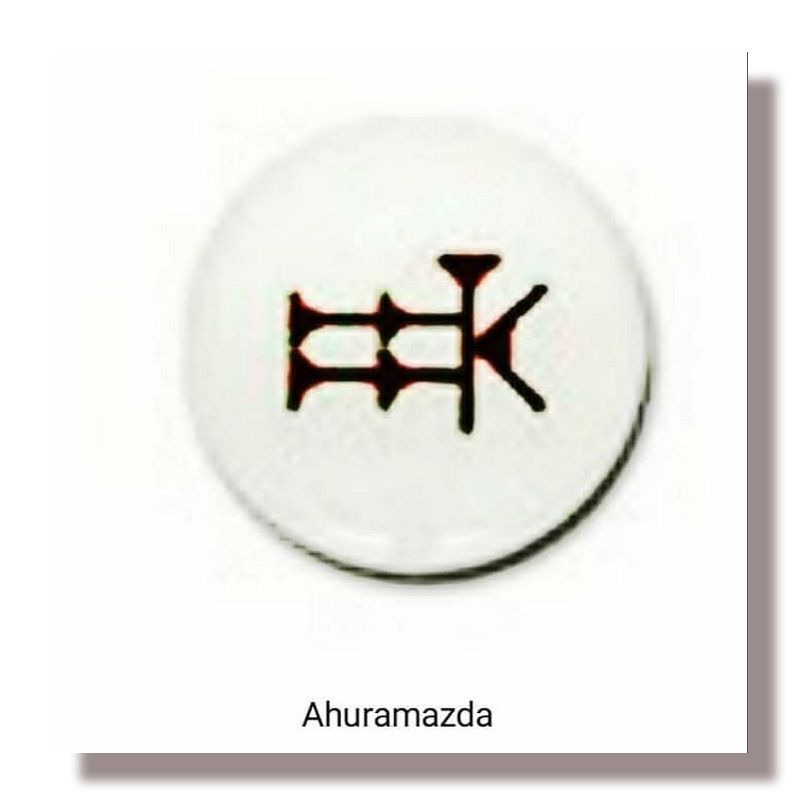
https://www.iranicaonline.org/articles/cuneiform-script/
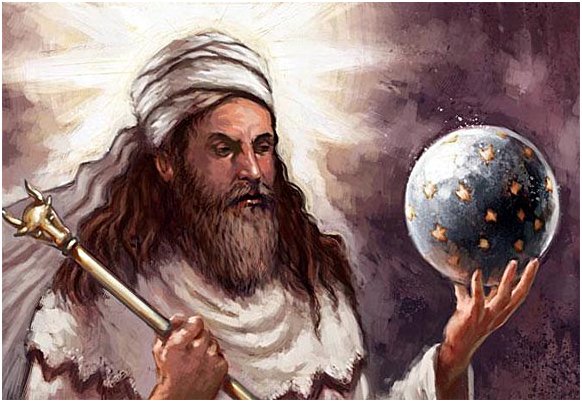
Ahuramazdan Astrology
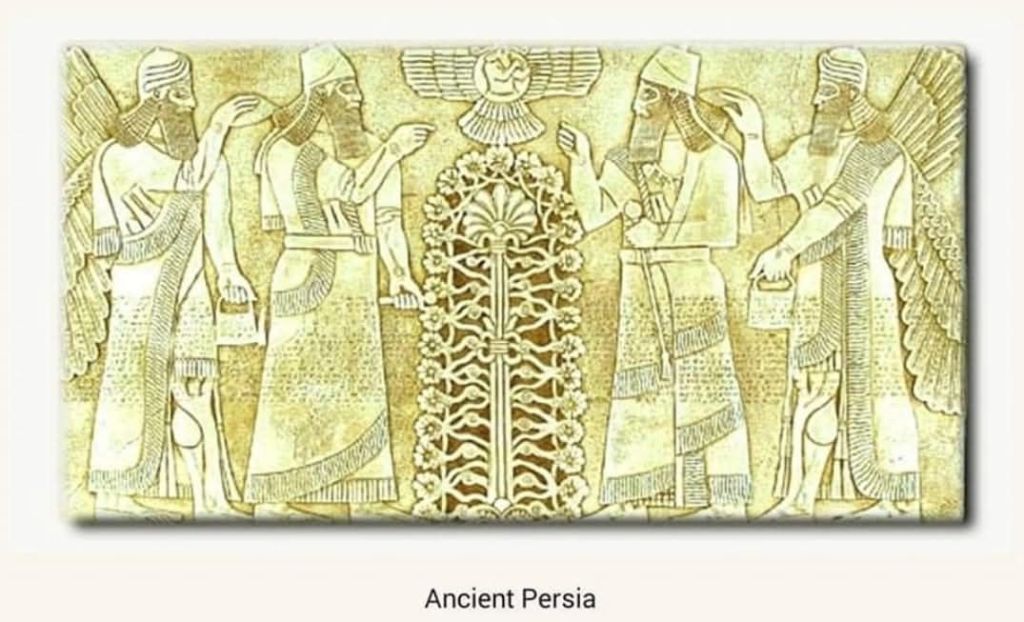
In the beginning humans migrated out of Africa when life was intolerable some 20,000 years ago. They went North and eventually came to the Zagros Mountains in the Iranian Plateau.
The Zagros Mountains provided them with ample water, and slowly they began to cultivate the land. Wheat was grown. The Zagros Mountains also gave them the ability to observe the changes in time. Ancient observatories were built.
The earliest writings in the world, were written in the Iranian Plateau, by the Proto-Elamites, followed by the Sumerians.
The oral tradition of prayers to the universe were created. These later were written in the Zend-Avesta according to the seasons.
Reverences or Yasna’s were given to each constellation in the universe.
Modern Astrology as we know it was born.
در ابتدا، انسانها حدود ۲۰,۰۰۰ سال پیش، هنگامی که زندگی غیرقابل تحمل شده بود، از آفریقا مهاجرت کردند. آنها به سمت شمال رفتند و سرانجام به کوههای زاگرس در فلات ایران رسیدند.
کوههای زاگرس آب فراوانی برای آنها فراهم میکرد و کمکم شروع به کشت زمین کردند. گندم کشت میشد. کوههای زاگرس همچنین این امکان را به آنها داد که تغییرات زمان را مشاهده کنند. رصدخانههای باستانی ساخته شدند.
اولین نوشتههای جهان توسط پروتو-ایلامیها و سپس سومریها در فلات ایران نوشته شد.
سنت شفاهی دعا به کائنات ایجاد شد. اینها بعداً بر اساس فصول در زند-اوستا نوشته شدند.
احترامگذاریها یا یسناهایی به هر یک از صورتهای فلکی در کائنات تقدیم میشد.
طالعبینی نوین (آسترولوژی) آنگونه که ما میشناسیم، متولد شد.
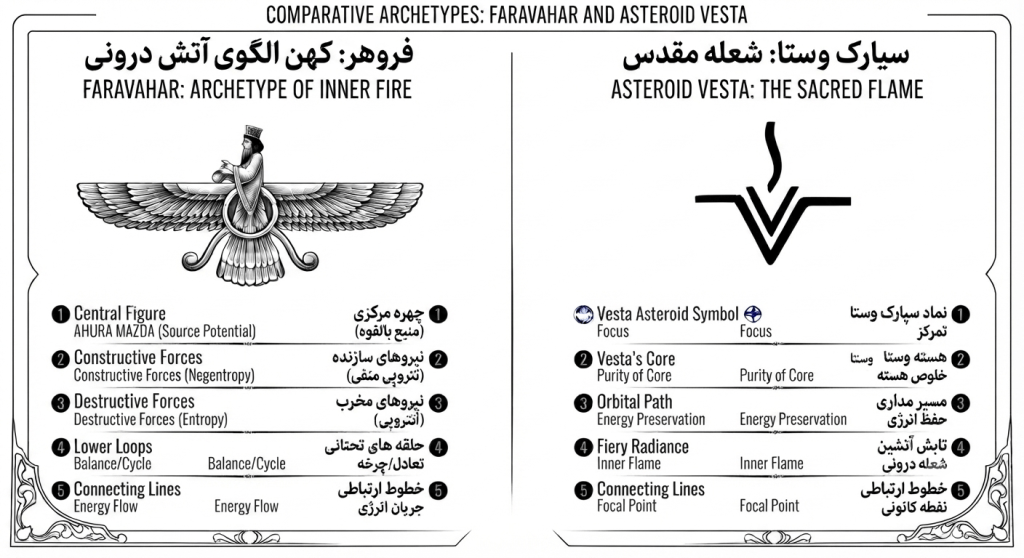
The Faravahar as an Engineering Schematic
The Faravahar is an original scientific, cosmological, and astrological symbol—originating on the Iranian plateau around 3500 BCE during the proto-Elamite and Sumerian era—engineered as a precision schematic to govern thermodynamic energy management and the alignment of human willpower.
فروهر یک نماد اخترشناختی، کیهانشناختی و علمیِ اصیل است—که در حدود ۳۵۰۰ سال پیش از میلاد در دوران پروتو-ایلامی و سومری در فلات ایران پدید آمد—و به عنوان یک شماتیک مهندسیِ دقیق برای مدیریت انرژی ترمودینامیک و همراستایی اراده انسانی طراحی شده است.
📽️ Video Explainer
🎙️ Podcast: Listen to a very detailed discussion
📽️ ویدیو
🎙️ پادکست: به یک بحث بسیار مفصل گوش دهید.
Abstract
This report re-evaluates the Faravahar as a foundational schematic of ancient engineering and thermodynamic energy management, rather than a theological construct. By stripping away centuries of religious interpretation, we identify the symbol as a technical blueprint—a “Fire Science”—used by early civilizations to map human willpower and individual sovereignty through the laws of thermodynamics. Aligning this schematic with the planetary archetype of Vesta, we demonstrate how ancient observers utilized precise geometric calibration to regulate internal and external energy states. This document explores the origin, transmission, and systematic obfuscation of this observation-based technology, framing the history of the Iranian plateau as the primary site for the development of systemic measurement and the mastery of the human self.
Table of Contents
• Introduction: The Cradle of Systematic Observation
• The Restoration of the Faravahar
• The Vesta-Avesta Frequency: An Observational Bridge
• The Technical Context: Thermodynamic Aspect Cycles
• The Implementation Layer: The Astrological Actuators
• The Seven Ameshasepanta: Parameters of Chemistry, Metallurgy, and Life
• The Integrity of Oral Transmission
• 3500 BCE: The Proto-Elamite and Sumerian Forge
• 2500 BCE: The Iranian Plateau Tripartite
• 1500 BCE: The Vedic Transmission
• 550 BCE: The Achaemenid Codification
• The Climatic Catastrophe and the Rise of Abrahamic Obfuscation
• 300 CE – Present: The Erasure of Science
Introduction: The Cradle of Systematic Observation
Long before the rise of modern industrial science, the civilizations of the ancient Near East—centered on the Iranian plateau and the Mesopotamian floodplains—developed sophisticated methods for measuring the natural world. These cultures were not merely observers of their environment; they were early engineers who recognized that planetary cycles and terrestrial heat possessed a measurable, geometric order. At the heart of this discipline lay a foundational reasoning philosophy: the human capacity to exist is a continuous, conscious act of choice. Just as a battery generates energy through the interaction of its positive and negative poles, the human system generates power by navigating between the first law of thermodynamics—Ohrmazd, the principle of order—and the second law of thermodynamics—Ahriman, the principle of entropy. To achieve a realistic analysis that eliminates error and accepts change, the ancient practitioner followed a rigorous tripartite deductive process: first, the mental state to obtain the good thought; second, the language state to articulate good words; and finally, the manifestation of the good deed. Only when this cycle is completed is the result considered realistic and scientifically valid. This document explores one of the most profound technological relics of this era: the Faravahar. While historically relegated to the realm of mythology, the Faravahar serves as an essential case study in how ancient humanity first codified these laws of energy, willpower, and physical transformation into a rigorous, observational system.
Summary: Ancient Iranian and Mesopotamian cultures developed a sophisticated “Fire Science” that treated human willpower as a measurable thermodynamic process, using the Faravahar as the primary blueprint for this engineering.
The Restoration of the Faravahar
For millennia, the Faravahar has been viewed through the distorted lens of religious dogma, re-categorized as a static idol by the cultures that inherited its profound scientific legacy. This report strips away those layers to reveal the Faravahar’s true nature: a precise, geometric schematic of human willpower and thermodynamic energy management. By aligning this symbol with the astrological archetype of Vesta, we reconnect the observer to the “Fire Science” of the Proto-Elamites and Sumerians—a tradition that functioned not as a religion, but as a technical discipline for individual sovereignty. Within this framework, we distinguish between the primary planets—the Sun, Moon, and the five wandering planets—which act as the “Managers” or “Lords” of the grand design, and the asteroids—Vesta, Ceres, Juno, and Pallas—which function as the “Implementers” or actuators of physical reality. This distinction mirrors the ancient division between high-level celestial laws and the mechanics of human manifestation.
Summary: The Faravahar is an ancient, observational technology of the self, obscured by centuries of historical misinterpretation; it is a blueprint for individual thermodynamic mastery.
The Vesta-Avesta Frequency: An Observational Bridge
The term “Zend-Avesta” serves as a primary example of how technical knowledge is obscured by historical misunderstanding. In academic circles, this is widely recognized as an 18th-century misnomer, resulting from European scholars misinterpreting the physical structure of priestly study manuscripts. In these manuscripts, the Avesta (the original text) and the Zand (the explanatory commentary) were bound together as Avistāk va Zand—literally “Avesta and Zand.” Western researchers mistakenly assumed this was the formal title of the work, and over time, the label “Zend-Avesta” became the accepted, albeit inaccurate, nomenclature. To restore the operational utility of this system, we must strip away these labels and return to the underlying functional definitions. Within our engineering framework, the Avesta represents the primary dataset—the codified observations of planetary geometry and frequency. The Zand represents the kinetic protocol—the “knowledge-in-action” or technical commentary required to translate that data into human output. This linguistic convergence is not accidental when viewed alongside modern astronomy. The phonetic and conceptual link between the asteroid Vesta and the Avesta serves as a vital bridge between ancient Iranian “Fire Science” and the mechanical reality of our solar system. When astronomer Carl Friedrich Gauss discovered Vesta in 1807 and designed its glyph, he unknowingly replicated the ancient Achaemenid visual schematic: an altar supporting a sacred flame. This alignment between the Vesta-frequency in our celestial records and the Avestan tradition confirms that the ancients were not documenting mythology, but a high-fidelity observational manual for the mastery of the internal forge. By correcting the label to the Vesta-Avesta Frequency, we move from religious obfuscation toward a clear, technical understanding of how the hearth of the individual operator is tuned to the fundamental energy states of the natural world.
Summary: By correcting the label to the Vesta-Avesta Frequency, we resolve historical confusion and link the ancient Avestan kinetic protocols to the specific celestial frequency of the asteroid Vesta, confirming its role as a manual for the internal forge.
The Technical Context: Thermodynamic Aspect Cycles
To operate this schematic, we must define the energy states that were historically distorted into religious deities. These are not moral entities, but components of a thermodynamic circuit mapped to the three phases of any planetary aspect (Conjunction 0°, three hard angles 180°/90°/45°, and three soft angles 120°/60°/30°). This cycle is the engine of human consciousness:
• Applying Aspect (First Law of Thermodynamics – Ohrmazd): As the angle approaches the exact geometric point, potential energy is gathered and compressed. This is the “good thought” phase, where the technician organizes energy for the incoming alignment.
• Exact Aspect (Ahuramazda – Source Voltage): The moment of peak geometric alignment. This is the “good deed” point, where the source potential is perfectly coupled with reality, facilitating the immediate transition from potential to kinetic energy.
• Separating Aspect (Second Law of Thermodynamics – Ahriman): After the exact point, the energy enters the phase of entropy. This is the “good word” and manifestation phase, where the concentrated energy disperses to fix the result into the material environment, managing the friction of reality.
Summary: The planetary aspect cycle functions as a thermodynamic engine, where the approach, exact alignment, and separation of planetary angles mirror the conversion of potential energy into material manifestation.
The Implementation Layer: The Astrological Actuators
As established, the foundational reasoning of the Ahuramazdan system is the commitment to a rigorous tripartite deductive process: the mental state of “Good Thought,” the articulation of “Good Words,” and the final manifestation of “Good Deeds.” Just as a modern engineer relies on physics to determine if an architectural design can stand in the material world, the ancient practitioner relied on this cycle to determine if an idea was scientifically valid. If a manifestation holds and functions within the natural world, it is accepted as truth; if it fails, it is a divergence from the principle of order. To bridge the gap between celestial potential and earthly realization, the ancients utilized the asteroids as the primary executive actuators. While the slow-moving planets define the macro-environmental “Managers,” the asteroids function as the “Field Technicians.” Each of the four main asteroids serves as an autonomous executive governor for specific human tasks:
• Vesta (The Sacred Hearth): The core engine of individual willpower and sovereignty, the furnace where the “Good Thought” is refined. The linguistic and conceptual link between the asteroid Vesta, the Avesta, and the Zend-Avesta is a critical observational link to the technical remnants of ancient Iran. This connection is validated by the history of modern astronomy; when Carl Friedrich Gauss designed the glyph for Vesta upon its discovery in 1807, he rendered an altar with a sacred flame. This visual schematic perfectly mirrors the ancient understanding that this energy signature is the prerequisite for individual independence and the mastery of the internal forge.
• Pallas (The Strategic Architect): The master engineer of the circuit. Pallas manages the strategic construction of the deed, providing the technical precision required to convert energy into a functional structure, invention, or lasting physical output.
• Juno (The Juridical Actuator): The authority that governs the “Word” as physical law. Juno handles the contractual manifestation—the formal agreements, societal bindings, and the identification of the individuals responsible for codifying law into reality.
• Ceres (The Biological Maintainer): The actuator for the management of physical resources and living systems. Ceres regulates the cycle of growth, the handling of crops and livestock, and the sustainable flow of sustenance that allows the human machine to function within the larger ecosystem. In this system, the “Good Deed” is a mechanical success. When these executive actuators form precise geometric angles with the Managers, the “work window” for human manifestation opens. The technician monitors these specific asteroid positions to know exactly when to forge, when to contract, and when to execute. This transforms the astrological chart from a passive map into an active engineering schedule, providing the technical signal for when the potential of the Universe is ready to be harnessed by the hands of the human operator.
Summary: The executive actuators (Vesta, Pallas, Juno, and Ceres) act as independent governors for willpower, strategy, law, and resources, allowing the operator to schedule manifestations according to precise celestial geometry.
The Seven Ameshasepanta: Parameters of Chemistry, Metallurgy, and Life
The seven Ameshasepanta represent the “old chemistry” of nature and the forge. They are organized by the four elements (Fire, Earth, Air, Water) and three living entities (Humans, Animals—specifically cattle and livestock—and Plants). They function as the metallurgical and biological blueprint:
• Ahuramazda: The Prime Potential; the source voltage.
• Vohu Manah: The ignition and catalysis parameter; the threshold temperature for chemical reduction.
• Asha Vahishta: The thermal equilibrium parameter; the stoichiometric balance of fuels and airflow.
• Kshathra Vairya: The material transformation parameter; the physical output stage of refined metal and biological growth.
• Spenta Armaiti: The containment parameter; the refractory lining of the furnace and the structural integrity of the ecosystem.
• Haurvatat: The quenching parameter; the rapid cooling stage for molecular hardness and biological stability.
• Ameretat: The tempering parameter; the final stage of thermal cycling for durability and long-term resilience.
Summary: The Ameshasepanta constitute a metallurgical and biological process manual, defining the precise thermodynamic parameters required to manage chemical reduction, molecular hardness, and long-term resilience.
The Integrity of Oral Transmission
Critics often ask why this “science” left no technical manual on clay tablets. The answer lies in the nature of the knowledge itself: it was an engineering guild secret. The ancients understood that the geometry of the “Sacred Flame”—which we now measure via the Vesta-frequency—was the master-key to human independence. It was transmitted exclusively “chest-to-chest” to prevent weaponization or corruption.
Summary: The lack of written manuals is a deliberate security protocol, as the knowledge of the Vesta-frequency was deemed too high-stakes for public dissemination, requiring transmission through embodied, kinetic ritual.
3500 BCE: The Proto-Elamite and Sumerian Forge
In the cradle of Sumer and Elam, the “winged sun-disk” emerged as a technical blueprint for the mastery of the forge. Using abundant local fuels like natural gas, bitumen, and asphalt, Sumerian metallurgists harnessed intense heat to smelt and alloy copper and tin, transforming raw ores into the blades, axes, and tools that catalyzed civilization itself. This was the empirical discovery that fire—the “sacred hearth”—is the primary tool for human independence.
Summary: The development of the first thermodynamic reactors—the furnaces of the early forge—provided the empirical foundation for the ancient belief that fire is the primary tool for human independence.
2500 BCE: The Iranian Plateau Tripartite
Ancient Iranians codified this “Fire Science” into a tripartite system, mapping the internal human spark against the external forces of creation and entropy. This knowledge was transmitted through the “chest-to-chest” method—a series of vibrational, kinetic rituals and dances performed around the hearth to ensure the technology of self-mastery was physically embodied as a living, breathing lineage.
Summary: Kinetic rituals served as a method for physicalizing the technical schematic, ensuring the lineage of self-mastery was preserved through the embodiment of thermodynamic principles.
1500 BCE: The Vedic Transmission
As the fire-science migrated toward the Indus region, it was adapted into the concept of Agni—the vital mediator between human intent and cosmic law. The symbol of the flame remained a functional diagnostic tool for the Hotri, the priest-technician, who utilized this tripartite circuit to maintain the harmony of the human energetic state within the larger universal machine.
Summary: The concept of Agni confirms that fire-management was the universal scientific language of the ancient world, used by technician-priests to diagnose and maintain the energetic harmony of the human machine.
550 BCE: The Achaemenid Codification
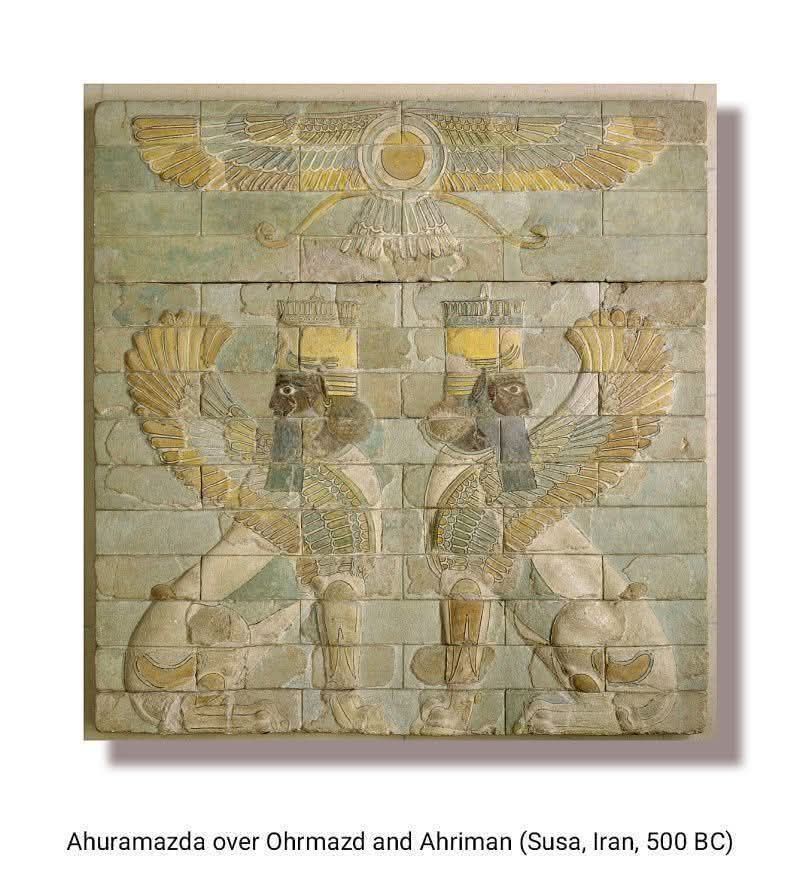
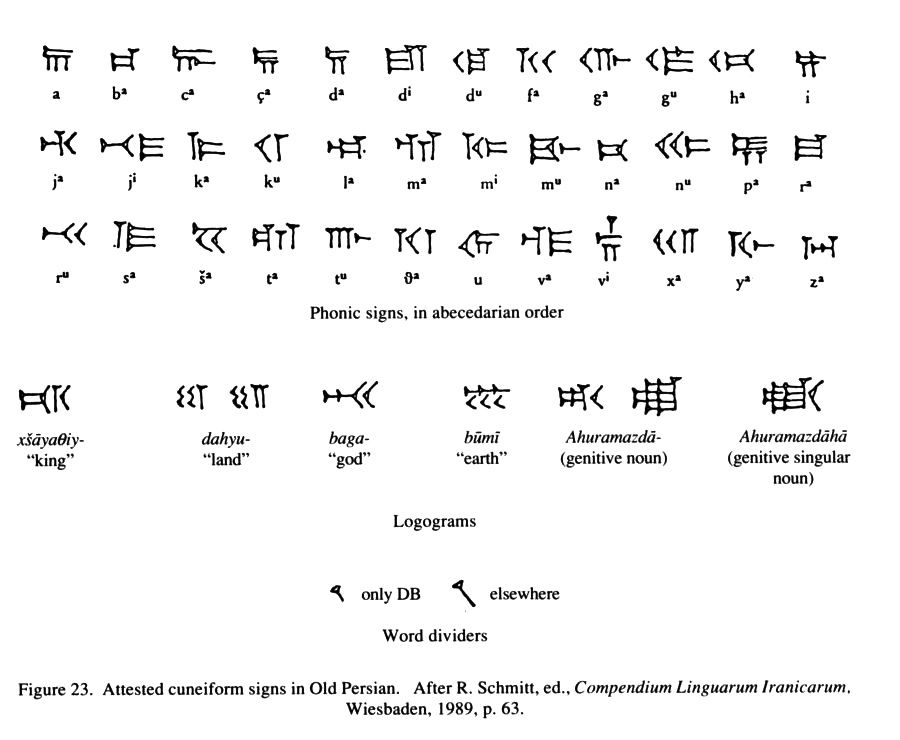
The Achaemenid Empire officially institutionalized this geometric shorthand, adopting the name “Faravahar” at imperial sites like Persepolis. By inscribing this schematic into their architecture, they sought to anchor the oral tradition of self-mastery into the stone foundations of their engineering, preserving the science as a cornerstone of imperial order and individual sovereignty.
Summary: The Achaemenid codification was the final attempt to standardize the oral engineering manual, utilizing imperial scale to preserve the science of self-mastery.
The Climatic Catastrophe and the Rise of Abrahamic Obfuscation
Throughout these centuries, our scientific ancestors operated a functional, measurable reality. However, they were locked in a constant political struggle against “doomsayers”—proponents of Abrahamic fiction—who viewed the world through dogmatic rather than observational lenses. When planetary cycles shifted and catastrophic climatic change struck the Iranian plateau and the Near East, these doomsayers seized the political upper hand. They argued that environmental hardship was a punishment for non-compliance with their belief systems. As the scientists measured the cooling and the drought, the doomsayers mobilized the desperate populace to blame the “sacred fire” and the ancient technologies of the forge. This led to the systematic destruction of the world’s most advanced repositories of knowledge: the libraries of Alexandria, the great archives of Rome, and the foundational wisdom centers of ancient Sumer and Iran.
Summary: Environmental collapse provided the political opening for dogmatic figures to replace observable science with a system of passive obedience, leading to the destruction of the ancient archives.
300 CE – Present: The Erasure of Science
The destruction was staggered by these catastrophic weather events. Christianity emerged as a dominant state force around 300 CE—not during the life of the figure it is named for, but in the chaotic, post-calamity vacuum left by the burning of the libraries. Similarly, the rapid rise of Islam in the 6th and 7th centuries followed a massive climatic shift that brought severe, sustained bad weather to Iran. Salman al-Farisi and other figures of that era utilized the remnants of knowledge—having been exposed to the Nestorian Christians who had retrieved stolen fragments from Europe and Egypt—to reorganize society under a new religious framework. These Abrahamic structures did not preserve the science; they cannibalized it, wrapping the terminology of the Ameshasepanta and the thermodynamic forge into a restrictive, binary moral fiction.
Summary: Modern religious institutions are the structural leftovers of historical environmental collapse; they repurposed the terminology of the forge into a restrictive moral dogma that obscured our true scientific heritage.
فاراوهار به مثابه یک شماتیک مهندسی
چکیده
این گزارش، فاراوهار (Faravahar) را نه به عنوان یک سازه الهیاتی، بلکه به عنوان یک شماتیک بنیادی در مهندسی و مدیریت انرژی ترمودینامیک بازتعریف میکند. با کنار زدن لایههای تفسیرهای مذهبیِ قرون گذشته، ما این نماد را به عنوان یک نقشه فنی – یک “علم آتش” (Fire Science) – شناسایی میکنیم که توسط تمدنهای اولیه برای ترسیم اراده انسانی و حاکمیت فردی از طریق قوانین ترمودینامیک استفاده میشد. با همراستا کردن این شماتیک با کهنالگوی سیارهای “وستا” (Vesta)، نشان میدهیم که چگونه مشاهدهگران باستانی از کالیبراسیون دقیق هندسی برای تنظیم وضعیتهای انرژی درونی و بیرونی بهره میبردند. این سند به بررسی خاستگاه، انتقال و ابهامسازی نظاممند این فناوریِ مبتنی بر مشاهده میپردازد و تاریخ فلات ایران را به عنوان جایگاه اصلی توسعه سنجش نظاممند و تسلط بر خودِ انسانی، چارچوببندی میکند.
فهرست مطالب
• مقدمه: مهدِ مشاهده نظاممند
• احیای فاراوهار
• فرکانس وستا-اوستا: یک پل مشاهدهگر
• زمینه فنی: چرخههای ترمودینامیکی
• لایه اجرایی: عملگرهای اخترشناختی
• هفت امشاسپند: پارامترهای شیمی، متالورژی و حیات
• اصالت انتقال سینه به سینه
• ۳۵۰۰ پیش از میلاد: کوره پروتو-ایلامی و سومری
• ۲۵۰۰ پیش از میلاد: نظام سهگانه فلات ایران
• ۱۵۰۰ پیش از میلاد: انتقال ودایی
• ۵۵۰ پیش از میلاد: تدوین هخامنشی
• فاجعه اقلیمی و ظهور ابهامسازی ابراهیمی
• ۳۰۰ میلادی تا کنون: پاکسازی علم
مقدمه: مهدِ مشاهده نظاممند
مدتها پیش از ظهور علم صنعتی مدرن، تمدنهای خاور نزدیک باستان—با تمرکز بر فلات ایران و دشتهای بینالنهرین—روشهای پیچیدهای را برای اندازهگیری جهان طبیعی توسعه دادند. این فرهنگها صرفاً مشاهدهگر محیط خود نبودند؛ آنها مهندسان اولیهای بودند که دریافتند چرخههای سیارهای و گرمای زمینی، دارای نظمی هندسی و قابل اندازهگیری هستند. در قلب این رشته، یک فلسفه استدلالی بنیادی نهفته بود: ظرفیت انسانی برای وجود داشتن، یک عملِ مداوم و آگاهانه از انتخاب است. همانطور که یک باتری از طریق تعامل قطبهای مثبت و منفی انرژی تولید میکند، سیستم انسانی نیز از طریق پیمایش میان قانون اول ترمودینامیک—اهورامزدا، اصل نظم—و قانون دوم ترمودینامیک—اهریمن، اصل آنتروپی—قدرت تولید میکند. برای دستیابی به تحلیلی واقعبینانه که خطا را حذف و تغییر را میپذیرد، مشاهدهگر باستانی یک فرایند استنتاجیِ سهگانه و دقیق را دنبال میکرد: نخست، وضعیت ذهنی برای دستیابی به اندیشه نیک؛ دوم، وضعیت زبانی برای بیان گفتار نیک؛ و در نهایت، تجلیِ کردار نیک. تنها زمانی که این چرخه تکمیل شود، نتیجه به عنوان یک دستاورد واقعبینانه و علمی معتبر شناخته میشود. این سند یکی از عمیقترین یادگارهای فناوری آن دوران را بررسی میکند: فاراوهار. اگرچه فاراوهار در طول تاریخ به قلمرو اسطورهشناسی رانده شده است، اما به عنوان یک مطالعه موردی اساسی عمل میکند تا نشان دهد چگونه بشریت باستان برای نخستین بار این قوانین انرژی، اراده و دگرگونی فیزیکی را در یک سیستم مشاهدهگرِ دقیق کدگذاری کرد.
خلاصه: فرهنگهای باستانی ایران و بینالنهرین، یک «علم آتش» پیچیده توسعه دادند که اراده انسانی را به عنوان یک فرایند ترمودینامیکی قابل اندازهگیری در نظر میگرفت و از فاراوهار به عنوان نقشه اصلی این مهندسی استفاده میکرد.
احیای فاراوهار
برای هزاران سال، فاراوهار از دریچه کدرِ جزماندیشی مذهبی مشاهده شده و توسط فرهنگهایی که میراث علمی عمیق آن را به ارث بردهاند، به عنوان یک بت ایستا بازتعریف شده است. این گزارش تمام آن لایهها را کنار میزند تا ماهیت حقیقی فاراوهار را آشکار سازد: یک شماتیک دقیق و هندسی از اراده انسانی و مدیریت انرژی ترمودینامیک. با همراستا کردن این نماد با کهنالگوی اخترشناختی “وستا” (Vesta)، ما مشاهدهگر را دوباره به “علم آتش”ِ پروتو-ایلامیها و سومریان متصل میکنیم—سنتی که نه به عنوان یک دین، بلکه به عنوان یک رشته فنی برای حاکمیت فردی عمل میکرد. در این چارچوب، ما بین سیارات اصلی—خورشید، ماه و پنج سیاره سرگردان—که به عنوان “مدیران” یا “اربابان” طرح بزرگ عمل میکنند، و سیارکها—وستا، سرس، جونو و پالاس—که به عنوان “مجریان” یا عملگرهای واقعیت فیزیکی عمل میکنند، تمایز قائل میشویم. این تمایز، بازتابی از تقسیمبندی باستانی بین قوانین عالی سماوی و مکانیکِ تجلیِ انسانی است.
خلاصه: فاراوهار یک فناوری باستانی و مشاهدهگر از “خود” است که توسط قرنها تفسیر نادرست تاریخی پنهان شده بود؛ این نماد نقشهای برای تسلط ترمودینامیکی فردی است.
فرکانس وستا-اوستا: یک پل مشاهدهگر
اصطلاح “زند-اوستا” نمونه اصلیِ این است که چگونه دانش فنی با سوءتفاهمهای تاریخی مبهم میشود. در محافل آکادمیک، این اصطلاح به عنوان یک خطای قرن هجدهمی شناخته میشود که ناشی از تفسیر نادرستِ پژوهشگران اروپایی از ساختار فیزیکی نسخههای خطی کاهنان بود. در این نسخهها، “اوستا” (متن اصلی) و “زند” (تفسیر توضیحی) با هم به عنوان “اوستاک و زند” صحافی میشدند. پژوهشگران غربی به اشتباه تصور کردند که این عنوان رسمی اثر است و به مرور زمان، برچسب “زند-اوستا” به عنوان نامگذاری پذیرفتهشده—هرچند نادرست—درآمد.
برای احیای کارکرد عملیاتی این سیستم، باید این برچسبها را کنار بگذاریم و به تعاریف عملکردیِ زیربنایی بازگردیم. در چارچوب مهندسی ما، “اوستا” نشاندهنده مجموعه دادههای اولیه است—مشاهدات کدگذاریشده از هندسه و فرکانس سیارهای. “زند” نشاندهنده پروتکل جنبشی است—”دانش در عمل” یا تفسیر فنی مورد نیاز برای تبدیل آن دادهها به خروجی انسانی.
این همگرایی زبانی وقتی در کنار اخترشناسی مدرن مشاهده میشود، تصادفی نیست. پیوند آوایی و مفهومی بین سیارک “وستا” و “اوستا”، پلی حیاتی بین “علم آتش” ایرانیان باستان و واقعیت مکانیکی منظومه شمسی ما ایجاد میکند. هنگامی که کارل فردریش گاوس در سال ۱۸۰۷ سیارک وستا را کشف کرد و گلیف آن را طراحی نمود،
ناخودآگاه شماتیک بصری هخامنشی را بازسازی کرد:
محرابی که شعلهای مقدس را نگه داشته است. این همراستایی بین فرکانس وستا در سوابق سماوی ما و سنت اوستایی، تأیید میکند که باستانیان در حال مستندسازی اسطورهشناسی نبودند، بلکه یک راهنمای مشاهدهگر با وفاداری بالا برای تسلط بر “کوره درونی” در دست داشتند. با تصحیح برچسب به “فرکانس وستا-اوستا”، ما از ابهامسازی مذهبی به سوی درک فنیِ شفافی حرکت میکنیم که نشان میدهد چگونه کانونِ عملگرِ فردی با وضعیتهای انرژی بنیادین جهان طبیعی هماهنگ میشود.
خلاصه: با تصحیح نام به فرکانس وستا-اوستا، ما سردرگمی تاریخی را برطرف کرده و پروتکلهای جنبشیِ سنت اوستایی را به فرکانس سماویِ خاص سیارک وستا متصل میکنیم و نقش آن را به عنوان راهنمای کوره درونی تأیید مینماییم.
زمینه فنی: چرخههای ترمودینامیکی
برای بهرهبرداری از این شماتیک، باید وضعیتهای انرژی را که در طول تاریخ به خدایان مذهبی تحریف شدهاند، تعریف کنیم. اینها موجودات اخلاقی نیستند، بلکه اجزای یک مدار ترمودینامیکی هستند که با سه فازِ هر جنبه سیارهای (مقارنه ۰ درجه، سه زاویه سخت ۱۸۰/۹۰/۴۵ درجه، و سه زاویه نرم ۱۲۰/۶۰/۳۰ درجه) نگاشت شدهاند.
این چرخه، موتور آگاهی انسانی است:
• جنبه تقربی (قانون اول ترمودینامیک – اهورامزدا): همانطور که زاویه به نقطه هندسی دقیق نزدیک میشود، انرژی پتانسیل جمع و فشرده میگردد. این فازِ “اندیشه نیک” است، جایی که تکنیسین انرژی را برای همراستاییِ پیشِ رو سازماندهی میکند.
• جنبه دقیق (اهورامزدا – ولتاژ منبع): لحظه همراستایی هندسی اوج. این نقطه “کردار نیک” است، جایی که پتانسیل منبع بهطور کامل با واقعیت جفت شده و انتقالِ فوری از انرژی پتانسیل به جنبشی را تسهیل میکند.
• جنبه تفارقی (قانون دوم ترمودینامیک – اهریمن): پس از نقطه دقیق، انرژی وارد فاز آنتروپی میشود. این فازِ “گفتار نیک” و تجلی است، جایی که انرژی متمرکز پراکنده میشود تا نتیجه را در محیط مادی تثبیت کند و اصطکاک واقعیت را مدیریت نماید.
خلاصه: چرخه جنبه سیارهای مانند یک موتور ترمودینامیکی عمل میکند که در آن تقرب، همراستایی دقیق و تفارقِ زوایای سیارهای، بازتابی از تبدیل انرژی پتانسیل به تجلی مادی است.
لایه اجرایی: عملگرهای اخترشناختی
همانطور که گفته شد، استدلال بنیادی سیستم اهورامزدایی، تعهد به یک فرایند استنتاجیِ سهگانه و دقیق است: وضعیت ذهنی “اندیشه نیک”، بیانِ “گفتار نیک” و تجلی نهاییِ “کردار نیک”. همانطور که یک مهندس مدرن برای تعیین پایداری یک طرح معماری در دنیای مادی به فیزیک متکی است، مشاهدهگر باستانی برای تعیین علمی بودن یک ایده به این چرخه متکی بود. اگر یک تجلی در دنیای طبیعی حفظ شود و کار کند، به عنوان حقیقت پذیرفته میشود؛ اگر شکست بخورد، انحرافی از اصلِ نظم است.
برای پر کردن شکاف بین پتانسیل سماوی و تحققِ زمینی، باستانیان از سیارکها به عنوان عملگرهای اجرایی اصلی استفاده میکردند. در حالی که سیارات کندرو، “مدیران” کلانمحیطی را تعریف میکنند، سیارکها به عنوان “تکنیسینهای میدانی” عمل میکنند. هر یک از چهار سیارک اصلی به عنوان یک فرماندار اجرایی خودگردان برای وظایف خاص انسانی عمل میکند:
• وستا (محراب مقدس): موتور اصلیِ اراده و حاکمیت فردی، کورهای که در آن “اندیشه نیک” پالایش میشود. پیوند زبانی و مفهومی بین سیارک وستا، اوستا و زند-اوستا، یک پیوند مشاهدهگرِ حیاتی به بقایای فنی ایران باستان است. این ارتباط توسط تاریخ اخترشناسی مدرن تأیید شده است؛ هنگامی که کارل فردریش گاوس گلیف وستا را پس از کشف آن در ۱۸۰۷ طراحی کرد، محرابی با شعلهای مقدس را ترسیم نمود. این شماتیک بصری بهطور کامل بازتابی از درک باستانی است که این امضای انرژی، پیششرط استقلال فردی و تسلط بر کوره درونی است.
• پالاس (معمار استراتژیک): مهندس ارشدِ مدار. پالاس ساختار استراتژیکِ کردار را مدیریت میکند و دقت فنیِ لازم برای تبدیل انرژی به یک ساختار عملکردی، اختراع یا خروجی فیزیکی پایدار را فراهم میسازد.
• جونو (عملگر حقوقی): مرجعی که “گفتار” را به عنوان قانون فیزیکی حاکم میکند. جونو تجلیِ قراردادی—توافقات رسمی، الزامات اجتماعی و شناساییِ افراد مسئول برای تدوین قانون در واقعیت—را مدیریت میکند.
• سرس (نگهبان بیولوژیکی): عملگرِ مدیریت منابع فیزیکی و سیستمهای زنده. سرس چرخه رشد، رسیدگی به محصولات و دامها و جریان پایدارِ معیشتی که اجازه میدهد ماشینِ انسانی در اکوسیستم بزرگتر عمل کند را تنظیم مینماید.
در این سیستم، “کردار نیک” یک موفقیت مکانیکی است. هنگامی که این عملگرهای اجرایی، زوایای هندسی دقیقی با مدیران تشکیل میدهند، “پنجره کاری” برای تجلیِ انسانی باز میشود. تکنیسین، وضعیتهای خاص این سیارکها را زیر نظر میگیرد تا بداند دقیقاً چه زمانی برای ساختن، چه زمانی برای قرارداد بستن و چه زمانی برای اجرا اقدام کند. این کار، نمودار اخترشناختی را از یک نقشه منفعل به یک برنامه مهندسی فعال تبدیل میکند و سیگنال فنی را برای زمانی که پتانسیل جهان آماده است تا توسط دستانِ عملگرِ انسانی مهار شود، فراهم میسازد.
خلاصه: عملگرهای اجرایی (وستا، پالاس، جونو و سرس) به عنوان فرمانداران مستقل برای اراده، استراتژی، قانون و منابع عمل میکنند و به عملگر اجازه میدهند تا تجلیات خود را بر اساس هندسه دقیق سماوی زمانبندی کند.
هفت امشاسپند: پارامترهای شیمی، متالورژی و حیات
هفت امشاسپند نشاندهنده “شیمی کهن” طبیعت و کوره هستند. آنها توسط چهار عنصر (آتش، زمین، هوا، آب) و سه موجود زنده (انسانها، حیوانات—بهویژه گاو و دام—و گیاهان) سازماندهی شدهاند. آنها به عنوان نقشه
متالورژی و بیولوژیکی عمل میکنند:
• اهورامزدا: پتانسیل اولیه؛ ولتاژ منبع.
• وهومن: پارامتر جرقه و کاتالیز؛ دمای آستانه برای احیای شیمیایی.
• اردیبهشت: پارامتر تعادل حرارتی؛ تعادل استوکیومتریِ سوختها و جریان هوا.
• شهریور: پارامتر دگرگونی مادی؛ مرحله خروجی فیزیکیِ فلزِ پالایششده و رشد بیولوژیکی.
• سپندارمذ: پارامتر مهار؛ پوشش نسوزِ کوره و یکپارچگی ساختاریِ اکوسیستم.
• خرداد: پارامتر خنکسازی سریع؛ مرحله کاهش دما برای سختیِ مولکولی و پایداری بیولوژیکی.
• امرداد: پارامتر تمپرینگ (سختکاری)؛ مرحله نهایی چرخههای حرارتی برای دوام و تابآوریِ بلندمدت.
خلاصه: امشاسپندان یک راهنمای فرایند متالورژی و بیولوژیکی را تشکیل میدهند که پارامترهای دقیق ترمودینامیکی مورد نیاز برای مدیریت احیای شیمیایی، سختی مولکولی و تابآوری بلندمدت را تعریف میکند.
اصالت انتقال سینه به سینه
منتقدان اغلب میپرسند که چرا این “علم” هیچ دفترچه راهنمای فنیای روی لوحهای گلی باقی نگذاشته است. پاسخ در ماهیتِ خودِ دانش نهفته است: این یک رازِ صنفیِ مهندسی بود. باستانیان درک میکردند که هندسه “شعله مقدس”—که ما اکنون آن را از طریق فرکانس وستا اندازهگیری میکنیم—کلیدِ اصلیِ استقلال انسانی است. این دانش منحصراً “سینه به سینه” منتقل میشد تا از استفاده ابزاری یا فساد جلوگیری شود.
خلاصه: نبودِ راهنماهای مکتوب، یک پروتکل امنیتیِ عامدانه است، زیرا دانشِ فرکانس وستا برای انتشار عمومی بیش از حد حساس تلقی میشد و نیازمند انتقال از طریقِ آیینهای جنبشی و تجسمیافته بود.
۳۵۰۰ پیش از میلاد: کوره پروتو-ایلامی و سومری
در مهدِ سومر و ایلام، “قرص خورشید بالدار” به عنوان یک نقشه فنی برای تسلط بر کوره ظهور کرد. متالورژیستهای سومری با استفاده از سوختهای محلیِ فراوان مانند گاز طبیعی، بیتومن و آسفالت، گرمای شدیدی را برای ذوب و آلیاژسازی مس و قلع مهار کردند و سنگهای معدنیِ خام را به تیغهها، تبرها و ابزارهایی تبدیل کردند که خودِ تمدن را کاتالیز میکرد. این اکتشاف تجربی بود که آتش—”محراب مقدس”—ابزار اصلی برای استقلال انسانی است.
خلاصه: توسعه اولین رآکتورهای ترمودینامیکی—کورههای کوره اولیه—بنیاد تجربی برای باور باستانی فراهم کرد که آتش، ابزار اصلی برای استقلال انسانی است.
۲۵۰۰ پیش از میلاد: نظام سهگانه فلات ایران
ایرانیان باستان این “علم آتش” را به یک سیستم سهگانه کدگذاری کردند و جرقه درونی انسان را در برابر نیروهای بیرونیِ آفرینش و آنتروپی ترسیم نمودند. این دانش از طریق روش “سینه به سینه” منتقل میشد—مجموعهای از آیینها و رقصهای جنبشی و ارتعاشی که در اطرافِ محراب انجام میشد تا اطمینان حاصل شود که فناوریِ تسلط بر خود، بهطور فیزیکی به عنوان یک دودمانِ زنده و پویا تجسم یافته است.
خلاصه: آیینهای جنبشی به عنوان روشی برای فیزیکیسازیِ شماتیکِ فنی عمل میکردند و اطمینان میدادند که دودمانِ تسلط بر خود از طریق تجسمِ اصول ترمودینامیکی حفظ میشود.
۱۵۰۰ پیش از میلاد: انتقال ودایی
هنگامی که علم آتش به سمت منطقه سند مهاجرت کرد، با مفهوم “آگنی”—واسطه حیاتی بین اراده انسانی و قانون کیهانی—سازگار شد. نمادِ شعله به عنوان یک ابزار تشخیصیِ عملکردی برای “هوتری” (priest-technician) باقی ماند که از این مدارِ سهگانه برای حفظ هماهنگیِ وضعیت انرژیِ انسانی در ماشینِ بزرگِ جهانی استفاده میکرد.
خلاصه: مفهوم آگنی تأیید میکند که مدیریتِ آتش، زبان علمیِ جهانیِ دنیای باستان بود که توسط کاهن-تکنیسینها برای تشخیص و حفظ هماهنگیِ انرژیِ ماشینِ انسانی استفاده میشد.
۵۵۰ پیش از میلاد: تدوین هخامنشی
امپراتوری هخامنشی بهطور رسمی این خطِمشیِ هندسی را نهادینه کرد و نام “فاراوهار” را در مکانهای امپراتوری مانند تختجمشید برگزید. آنها با حک کردن این شماتیک در معماری خود، سعی کردند سنتِ شفاهیِ تسلط بر خود را در پیریزیهای سنگیِ مهندسیِ خود لنگر بیندازند و علم را به عنوان سنگبنای نظمِ امپراتوری و حاکمیت فردی حفظ کنند.
خلاصه: تدوین هخامنشی، آخرین تلاش برای استانداردسازیِ راهنمای مهندسیِ شفاهی بود که با استفاده از مقیاسِ امپراتوری برای حفظ علمِ تسلط بر خود انجام شد.
فاجعه اقلیمی و ظهور ابهامسازی ابراهیمی
در طول این قرنها، نیاکان علمی ما با یک واقعیتِ عملکردی و قابل اندازهگیری کار میکردند. با این حال، آنها در یک مبارزه سیاسیِ دائمی علیه “رستاخیزگرایان”—مبلغانِ داستانهای ابراهیمی—قرار داشتند که جهان را نه از دریچه مشاهده، بلکه از دریچه جزماندیشی میدیدند. هنگامی که چرخههای سیارهای تغییر کردند و تغییرات اقلیمیِ فاجعهبار به فلات ایران و خاور نزدیک ضربه زد، این رستاخیزگرایان دستِ بالا را در سیاست به دست گرفتند. آنها استدلال میکردند که سختیهای محیطی، مجازاتی برای عدم انطباق با سیستمهای اعتقادیِ آنهاست. همانطور که دانشمندان سرد شدن و خشکسالی را اندازهگیری میکردند، رستاخیزگرایان مردمِ ناامید را تحریک کردند تا “آتش مقدس” و فناوریهای کهنِ کوره را مقصر بدانند. این امر منجر به تخریب نظاممندِ پیشرفتهترین مخازن دانش جهان شد: کتابخانههای اسکندریه، آرشیوهای بزرگ رم و مراکز حکمتِ بنیادی در سومر و ایران باستان.
خلاصه: فروپاشی محیط زیستی، فضای سیاسی را برای چهرههای جزماندیش فراهم کرد تا علمِ قابل مشاهده را با سیستمی از اطاعتِ منفعلانه جایگزین کنند که به تخریب آرشیوهای باستانی منجر شد.
۳۰۰ میلادی تا کنون: پاکسازی علم
این تخریبها توسط این رویدادهای جویِ فاجعهبار بهطور متناوب صورت گرفت. مسیحیت حدود سال ۳۰۰ میلادی به عنوان یک نیروی غالبِ دولتی ظهور کرد—نه در طولِ زندگیِ شخصیتی که نامش را بر آن گذاشتهاند، بلکه در خلأِ پرآشوبِ پس از فاجعه که ناشی از سوزاندنِ کتابخانهها بود. به همین ترتیب، ظهور سریع اسلام در قرن ششم و هفتم میلادی، پس از یک تغییر اقلیمی عظیم رخ داد که آبوهوای سخت و پایداری را برای ایران به ارمغان آورد. سلمان فارسی و دیگر چهرههای آن دوران از بقایای دانش—که پس از مواجهه با مسیحیانِ نسطوری که قطعاتِ ربودهشده از اروپا و مصر را بازیابی کرده بودند—استفاده کردند تا جامعه را تحت یک چارچوبِ مذهبیِ جدید سازماندهی کنند. این ساختارهای ابراهیمی، علم را حفظ نکردند؛ بلکه آن را مصادره کردند و اصطلاحاتِ امشاسپندان و کوره ترمودینامیکی را در یک داستانِ اخلاقیِ دوتایی و محدودکننده پیچیدند.
خلاصه: نهادهای مذهبیِ مدرن، بازماندههای ساختاریِ فروپاشیِ اقلیمیِ تاریخی هستند؛ آنها اصطلاحاتِ کوره را به یک جزمِ اخلاقیِ محدودکننده تبدیل کردند که میراثِ علمیِ حقیقیِ ما را پنهان کرد.
The Theory of Everything: Why the Experts Are Hitting a Dead End
نظریه همه چیز: چرا متخصصان به بنبست رسیدهاند
📽️ English Video
🎙️ English Podcast
📽️ ویدیو فارسی
🎙️ پادکست فارسی
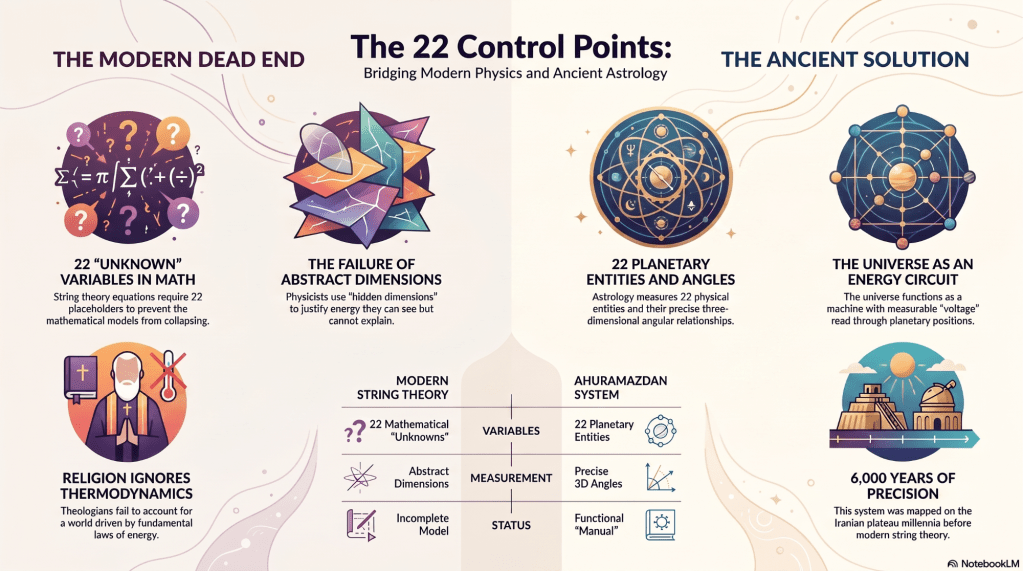
For centuries, humanity has searched for the “Theory of Everything”—the master key to how the universe works. Today, that search has hit a wall, divided between two dead ends.
On one side, theologians offer stories of divine mystery, but they ignore the First and Second Laws of Thermodynamics. You cannot explain a world driven by energy while ignoring the fundamental laws of physics.
On the other side, modern scientists have reached the pinnacle of mathematical modeling with String Theory. It is a brilliant system, yet it is perpetually incomplete. Originally, these theories proposed 11 dimensions (M-Theory) to explain the universe. But as their calculations became more refined, the math “leaked.” To stop the equations from collapsing, they had to increase the number of variables, eventually settling on 22 “unknowns” (the parameters required beyond the 4 dimensions of observable spacetime).
They aren’t hiding anything. They simply do not have the manual. They have spent decades adding “placeholders” to their math to account for energy they cannot see.
The Astrologer’s Perspective: Reading the Circuit
There is a much older, more accurate way to read the universe, mapped 6,000 years ago on the Iranian plateau: the Ahuramazdan Ameshasepantan system.
Practitioners of this craft have always understood that the universe is not a collection of random events; it is a machine. We are all part of a larger energy circuit. By measuring the angular relationships between stellar entities, we can read the “voltage” of the universe in real-time.
Originally, observers tracked seven planetary entities and seven basic angles. As our ability to measure the heavens grew, so did our precision. We now track 22 planetary entities and measure their 22 precise, three-dimensional angles.
Closing the Gap
The ironic truth is that the “unknowns” physicists are struggling to solve are the exact same 22 points of control that have been tracked for millennia.
• The Physicist’s Journey: They started with 11, realized it wasn’t enough, and climbed to 22 because their math required those variables to stay consistent. They call these “hidden dimensions” because they have no other way to justify their existence.
• The Astrologer’s Solution: We don’t guess. We measure. These 22 parameters are not abstract dimensions; they are the 22 planetary entities and their angular relationships that define the energy state of the world.
When you track these 22 points, the “mystery” of String Theory disappears. You aren’t looking at “hidden dimensions” in a vacuum; you are looking at the control knobs of a planetary circuit.
The Answer is in the Angles
Science has hit a dead end because it refuses to look outside its own theoretical models. Religion has failed because it ignores the laws of physics.
The “Theory of Everything” isn’t a secret locked away in a particle accelerator. It is a set of angles that have been moving across the sky for 6,000 years. The machine is running, the angles are moving, and we finally have the tools to read the manual. We don’t need miracles and we don’t need “unknowns.” We just need to measure what is actually happening.
نظریه همه چیز: چرا متخصصان به بنبست رسیدهاند
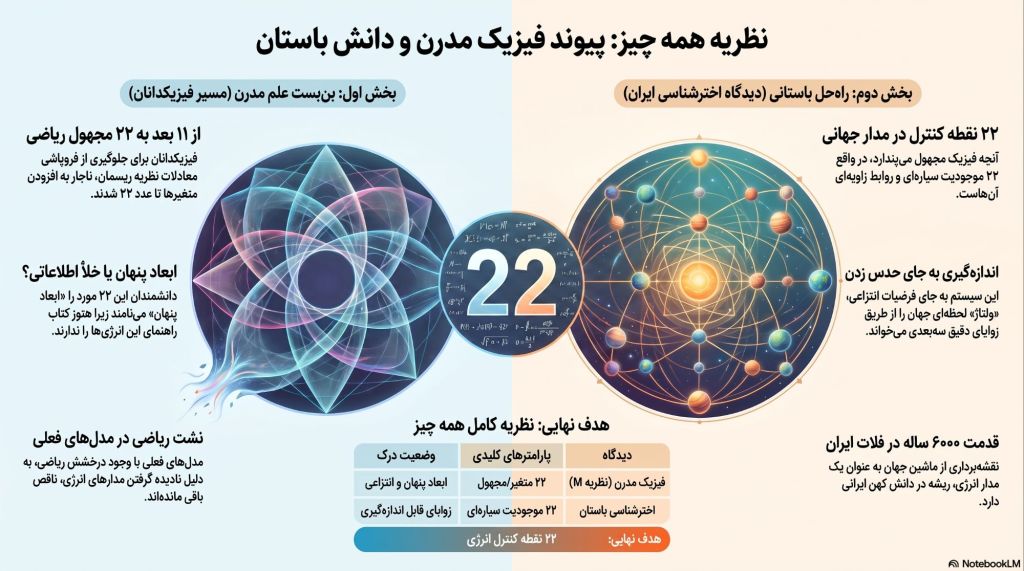
قرنهاست که بشریت در جستجوی «نظریه همه چیز» بوده است—کلید اصلی برای درک نحوه عملکرد جهان. امروزه، این جستجو به دیوار خورده و به دو بنبست تقسیم شده است.
از یک سو، متکلمان داستانهایی از رازهای الهی ارائه میدهند، اما آنها قوانین اول و دوم ترمودینامیک را نادیده میگیرند. شما نمیتوانید جهانی که توسط انرژی هدایت میشود را توضیح دهید در حالی که قوانین بنیادی فیزیک را نادیده میگیرید.
از سوی دیگر، دانشمندان مدرن با نظریه ریسمان به اوج مدلسازی ریاضی رسیدهاند. این یک سیستم درخشان است، اما دائماً ناقص باقی میماند. در ابتدا، این نظریهها ۱۱ بعد (نظریه M) را برای توضیح جهان پیشنهاد کردند. اما با دقیقتر شدن محاسبات، ریاضیات آنها «نشت» کرد. برای جلوگیری از فروپاشی معادلات، آنها مجبور شدند
تعداد متغیرها را افزایش دهند و در نهایت به ۲۲ «مجهول» رسیدند (پارامترهای مورد نیاز فراتر از ۴ بعد فضا-زمان قابل مشاهده).
آنها چیزی را پنهان نمیکنند؛ آنها صرفاً کتاب راهنما را ندارند. آنها دههها را صرف اضافه کردن «جایخالی» به ریاضیات خود کردهاند تا انرژیهایی را که نمیتوانند ببینند، توجیه کنند.
دیدگاه اخترشناس: خواندن مدار
روش بسیار قدیمیتر و دقیقتری برای خواندن جهان وجود دارد که ۶۰۰۰ سال پیش در فلات ایران نقشهبرداری شده است:
سیستم اهورامزدا امشاسپندان.
اهالی این فن همواره درک کردهاند که جهان مجموعهای از رویدادهای تصادفی نیست؛ بلکه یک ماشین است. همه ما بخشی از یک مدار انرژی بزرگتر هستیم. با اندازهگیری روابط زاویهای بین موجودیتهای ستارهای، میتوانیم «ولتاژ» جهان را در زمان واقعی بخوانیم.
در ابتدا، ناظران هفت موجودیت سیارهای و هفت زاویه
پایه را دنبال میکردند. با افزایش توانایی ما در اندازهگیری آسمانها، دقت ما نیز افزایش یافت. ما اکنون ۲۲ موجودیت سیارهای را دنبال میکنیم و ۲۲ زاویه دقیق و سهبعدی آنها را اندازهگیری میکنیم.
پر کردن شکاف
حقیقت کنایهآمیز این است که «مجهولاتی» که فیزیکدانان برای حل آنها تلاش میکنند، دقیقاً همان ۲۲ نقطه کنترلی هستند که هزاران سال است ردیابی میشوند.
• سفر فیزیکدان: آنها با ۱۱ شروع کردند، متوجه شدند کافی نیست، و به ۲۲ رسیدند زیرا ریاضیات آنها برای ثابت ماندن به این متغیرها نیاز داشت. آنها اینها را «ابعاد پنهان» مینامند چون راه دیگری برای توجیه وجود آنها ندارند.
• راهحل اخترشناس: ما حدس نمیزنیم؛ ما اندازهگیری میکنیم. این ۲۲ پارامتر، ابعاد انتزاعی نیستند؛ آنها ۲۲ موجودیت سیارهای و روابط زاویهای آنها هستند که وضعیت انرژی جهان را تعیین میکنند.
وقتی این ۲۲ نقطه را ردیابی میکنید، «راز» نظریه ریسمان ناپدید میشود. شما دیگر به «ابعاد پنهان» در خلأ نگاه نمیکنید؛ شما به دستگیرههای کنترلی یک مدار سیارهای نگاه میکنید.
پاسخ در زوایا نهفته است
علم به بنبست رسیده است چون از نگاه کردن به خارج از مدلهای نظری خود امتناع میورزد. مذهب شکست خورده است چون قوانین فیزیک را نادیده میگیرد.
«نظریه همه چیز» رازی نیست که در یک شتابدهنده ذرات قفل شده باشد. این مجموعهای از زوایاست که ۶۰۰۰ سال است در آسمان در حال حرکت است. ماشین در حال کار است، زوایا در حال حرکت هستند و ما بالاخره ابزارهای خواندن کتاب راهنما را در اختیار داریم. ما نیازی به معجزه و نیازی به «مجهولات» نداریم؛ فقط باید اندازهگیری کنیم که واقعاً چه اتفاقی در حال رخ دادن است.
Social Media Links
The Celestial Foundation: Reclaiming the Science of Ahuramazda Ameshaspenta
Spotify Podcast: Ancient Code: Peaks to Markets
Latest from the Blog
- Moon in Gemini or Khordad خرداد ♊ – Ahuramazdan Logic
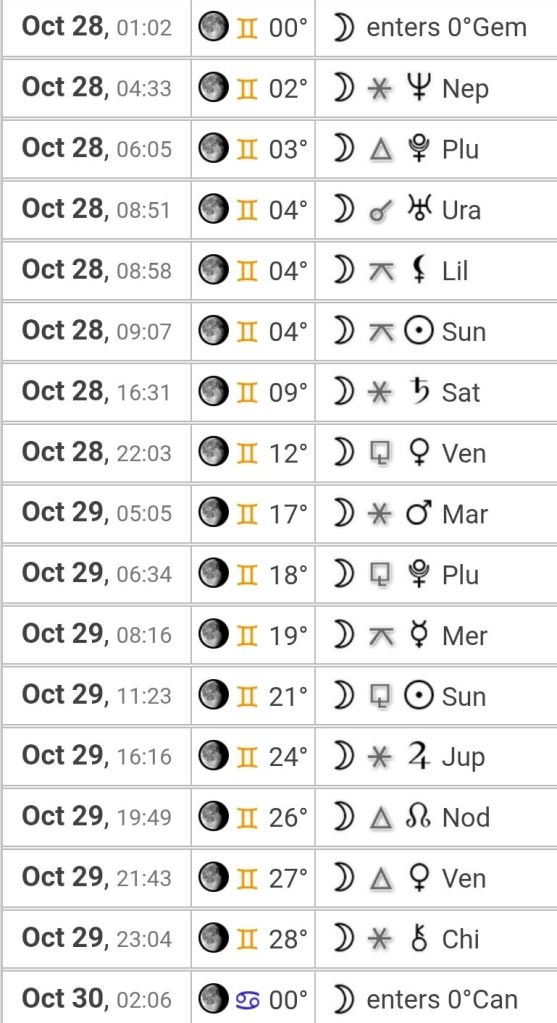
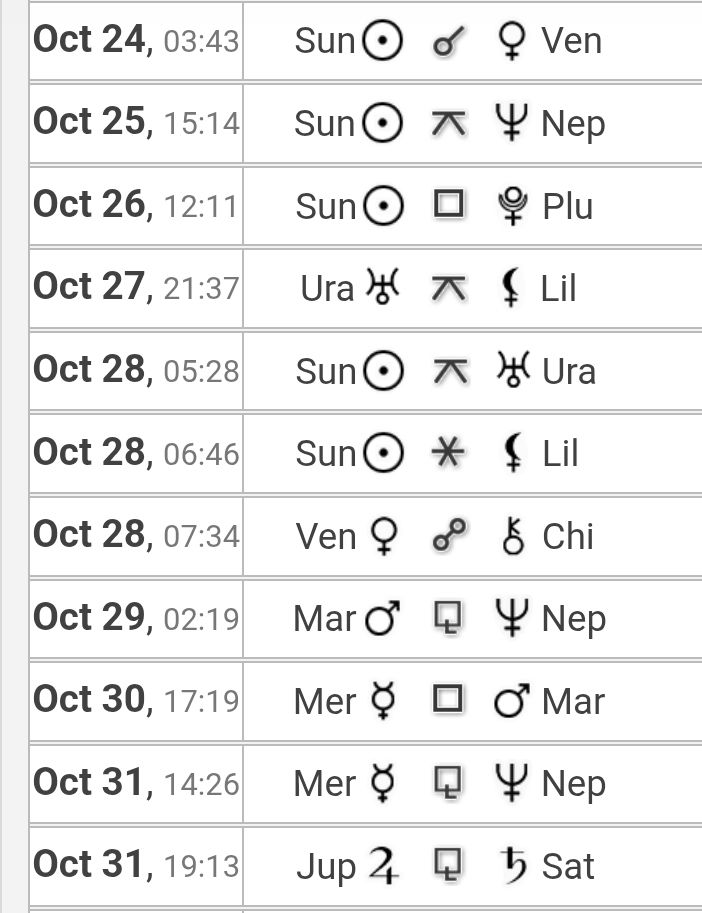
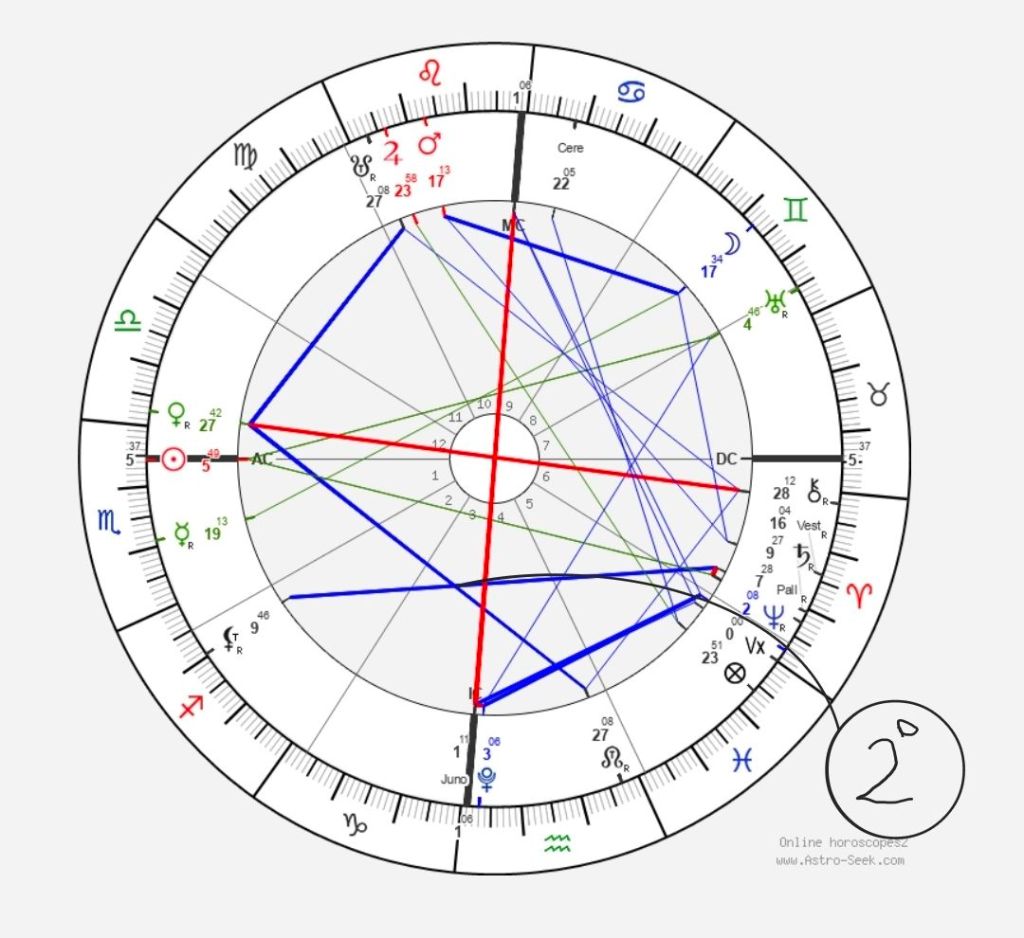
Moon in Gemini or Khordad خرداد ♊ – Ahuramazdan Logic
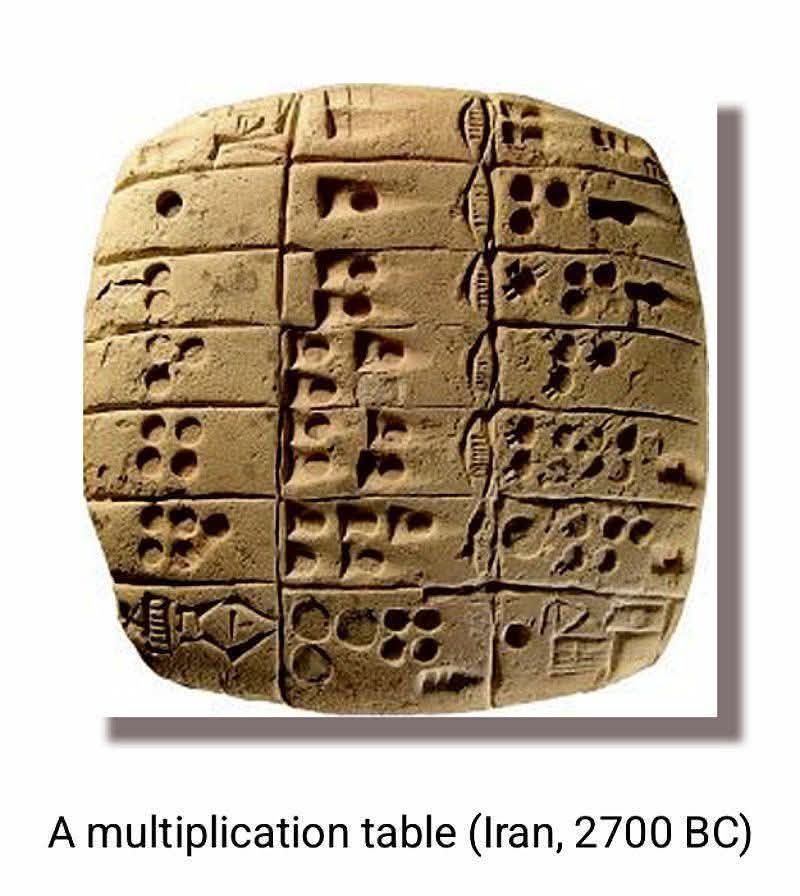
Iranian Mathematics, 4700 years ago. The oldest known clay tablet containing mathematical computations (Schøyen MS 3047) is today held in the Schøyen Collection. It is a multiplication table from 27th century BCE Sumer giving area as a product of recorded lengths.
#Iran
#ایران
https://www.alimostofi.com - Moon in Taurus or Ordibehesht اردیبهشت ♉ – Ahuramazdan Bull
- (no title)
- Moon in Pisces or Esfand اسفند ♓ – Ahuramazdan Wine
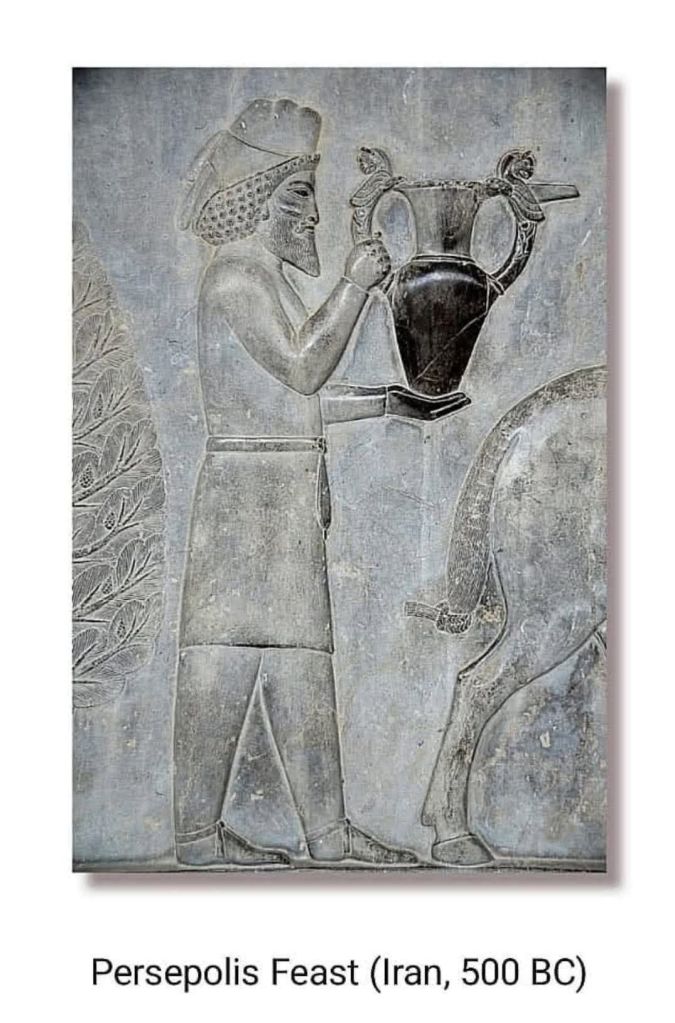
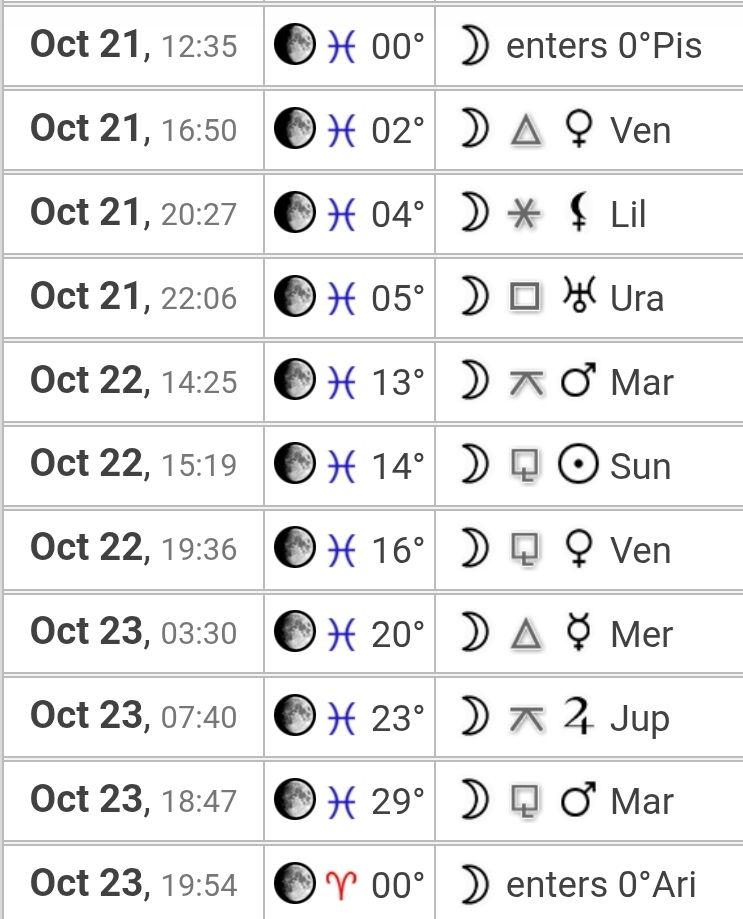
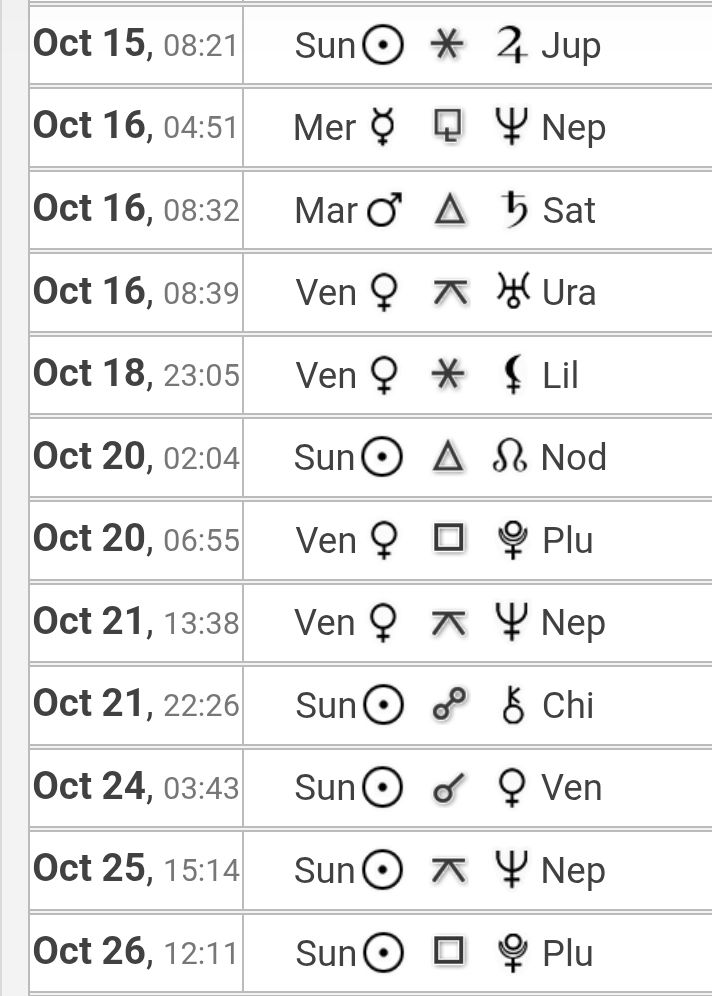
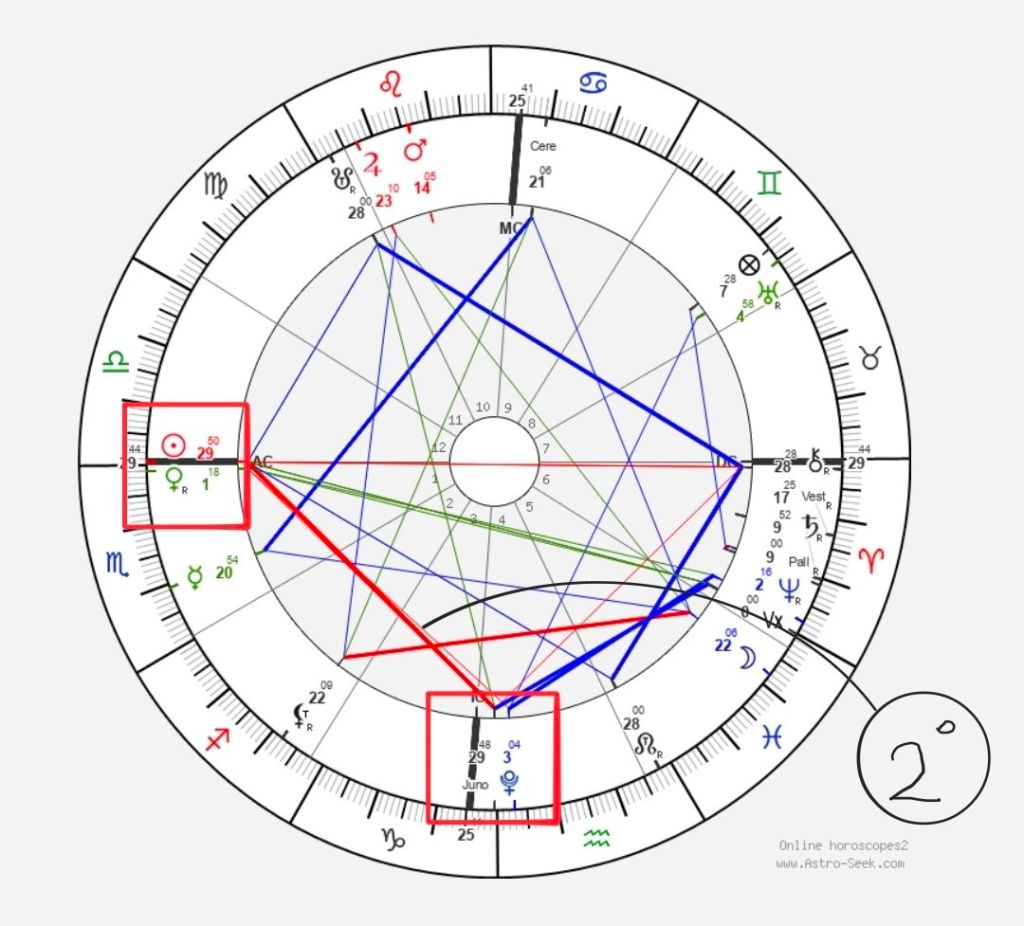
Moon in Pisces or Esfand اسفند ♓ – Ahuramazdan Wine
Wine was made in Iran, from as far back as 5400–5000 BC.
#Iran
#ایران
https://www.alimostofi.com - Moon in Aquarius or Bahman بهمن ♒ – Ahuramazdan Comradery
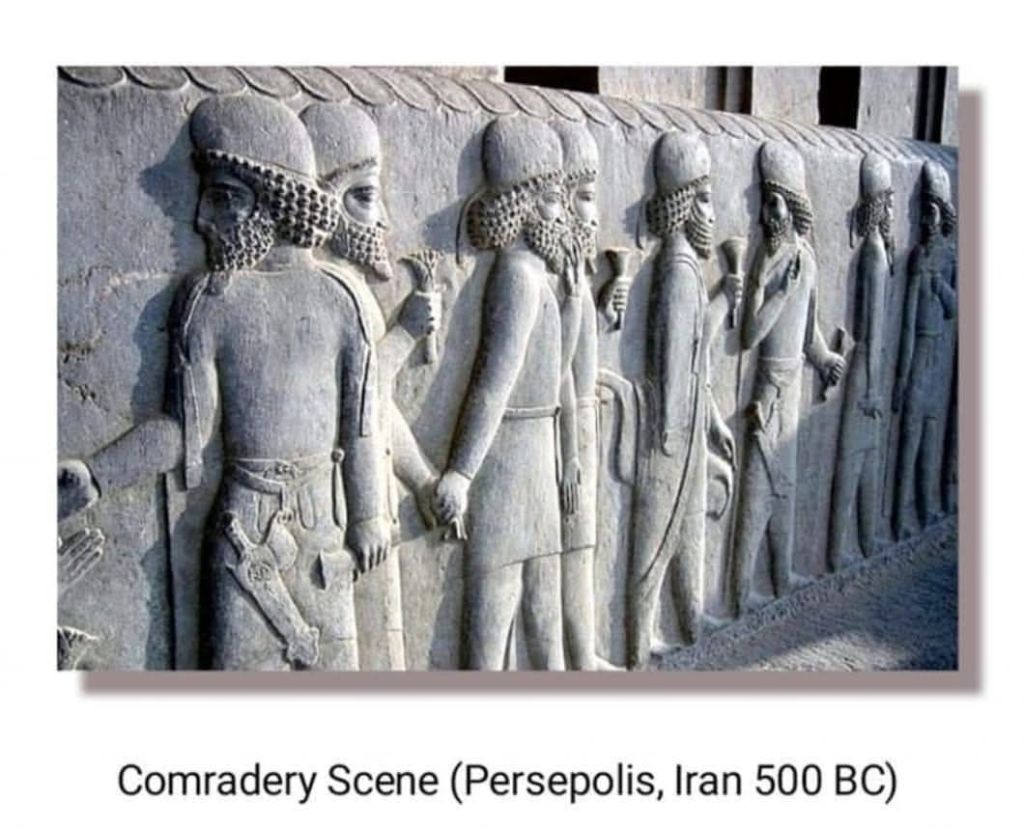
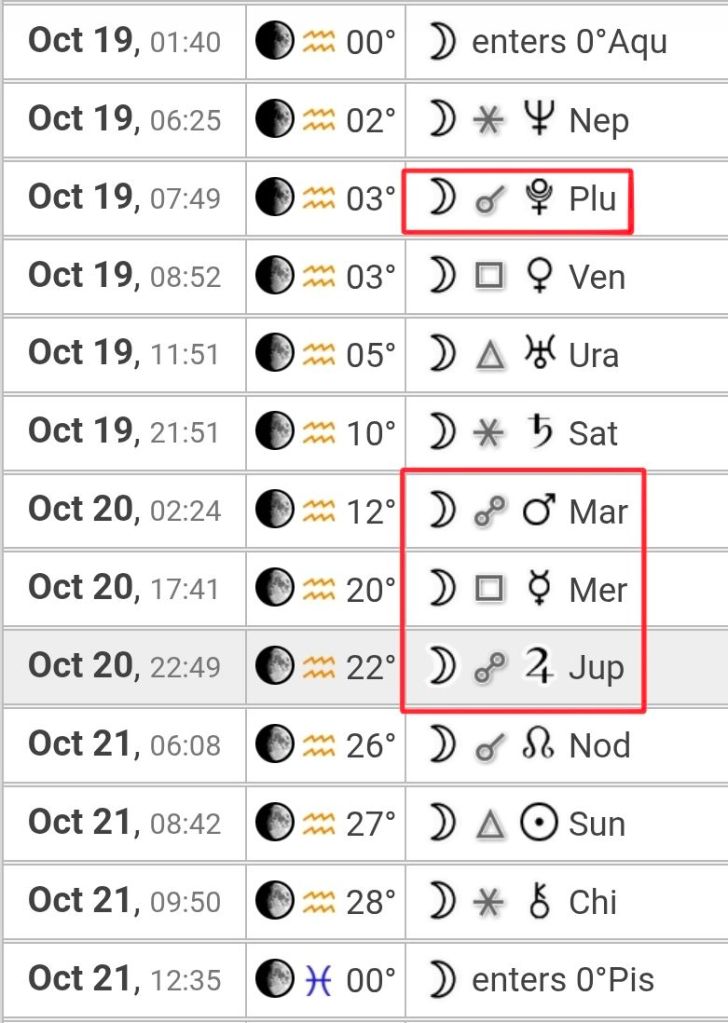
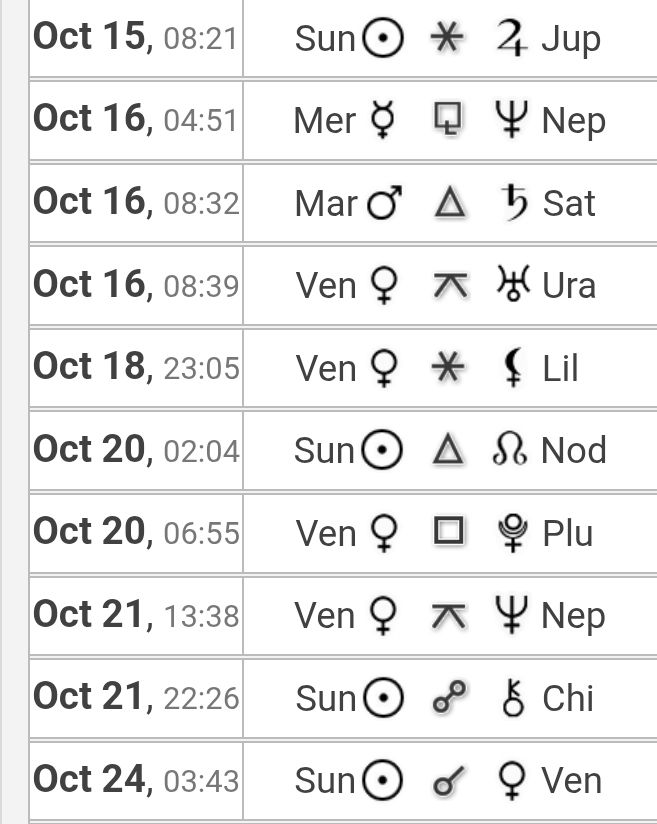
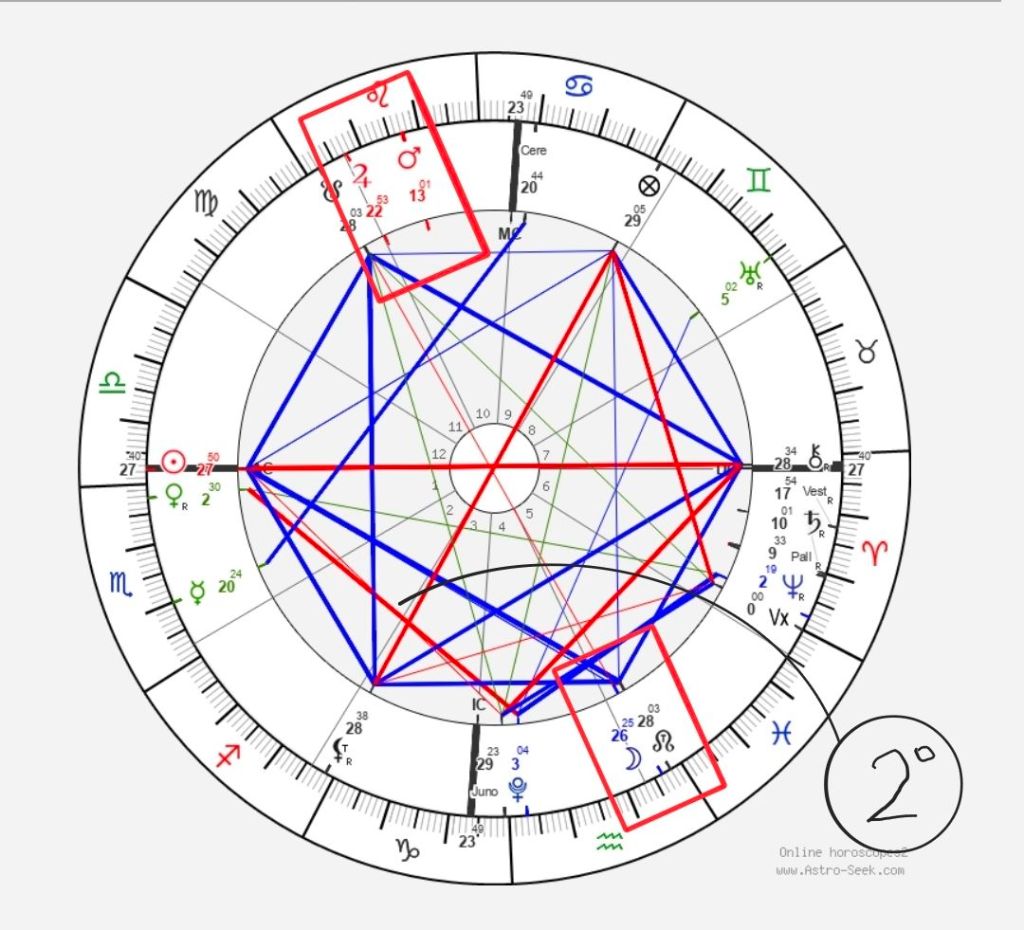
Moon in Aquarius or Bahman بهمن ♒ – Ahuramazdan Comradery
Iran, 2500 years ago. Comradery was big in Iran 2500 years ago. Persepolis has it ingraved on its walls.
#Iran
#ایران
https://www.alimostofi.com - Moon in Capricorn or Day دی ♑ – Ahuramazdan Logic
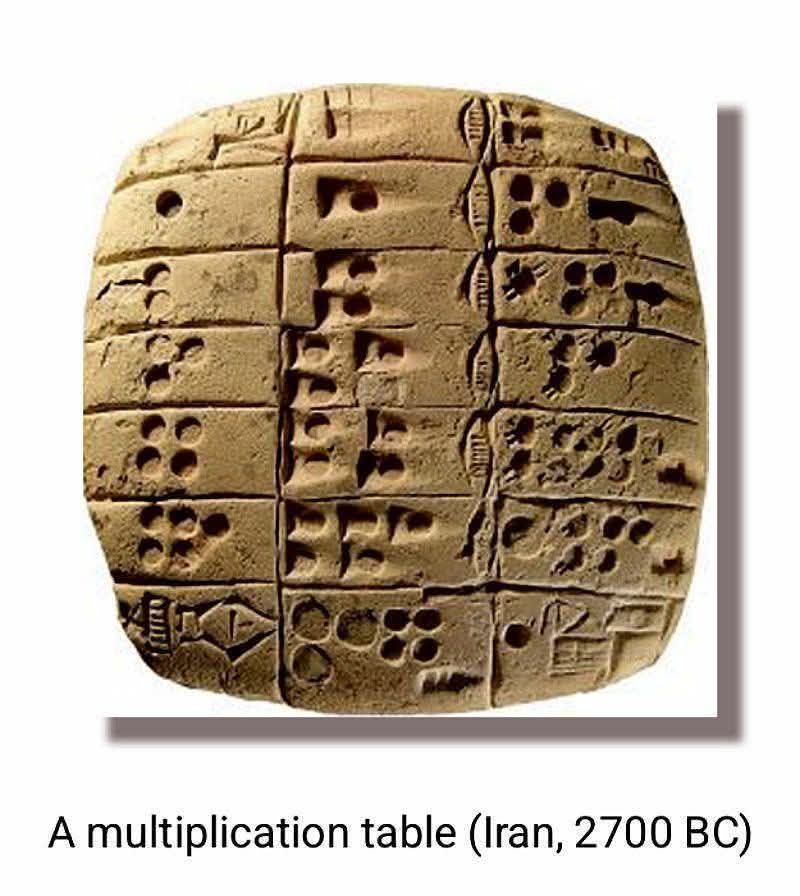
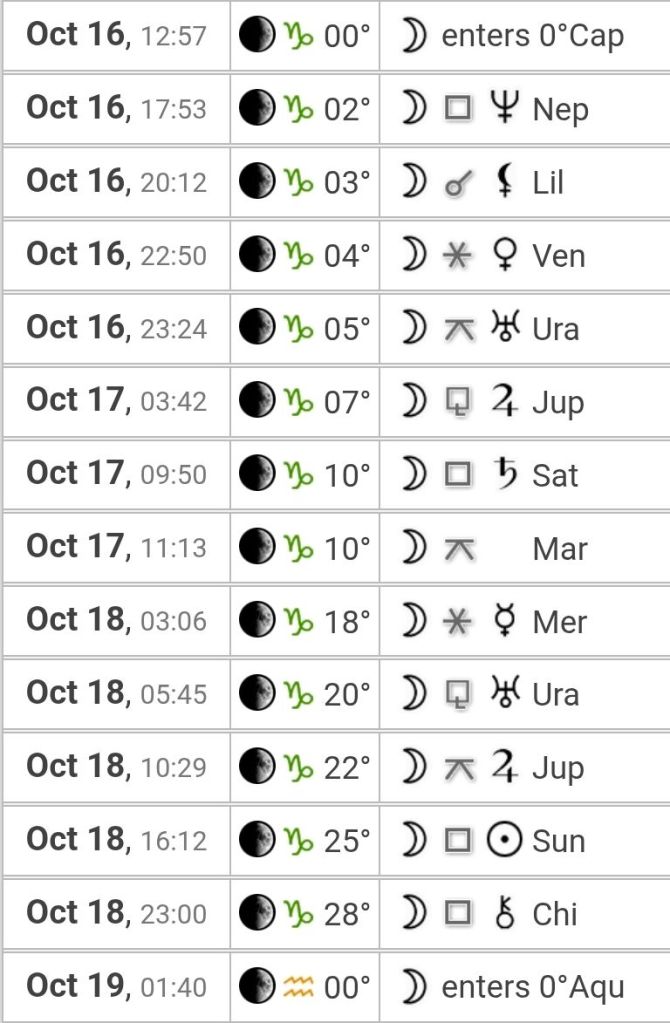
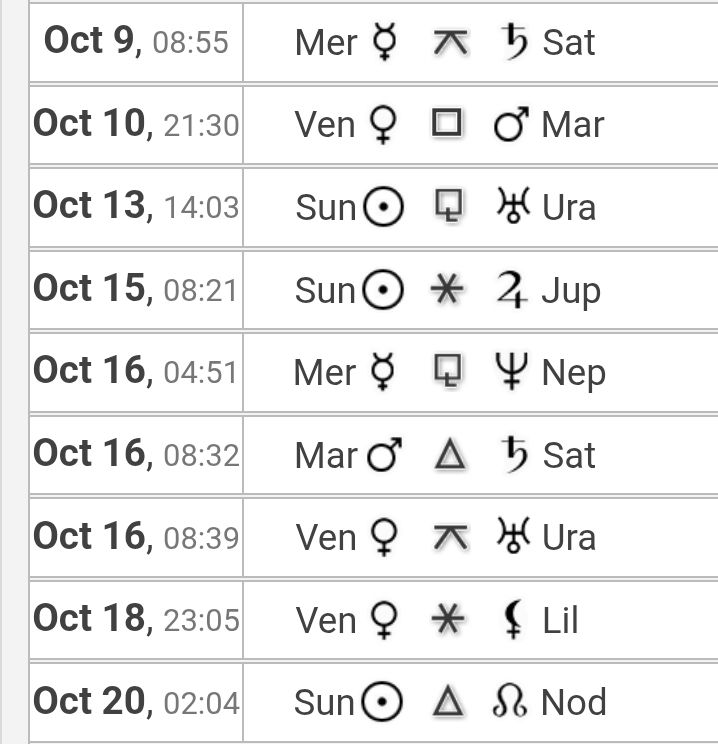
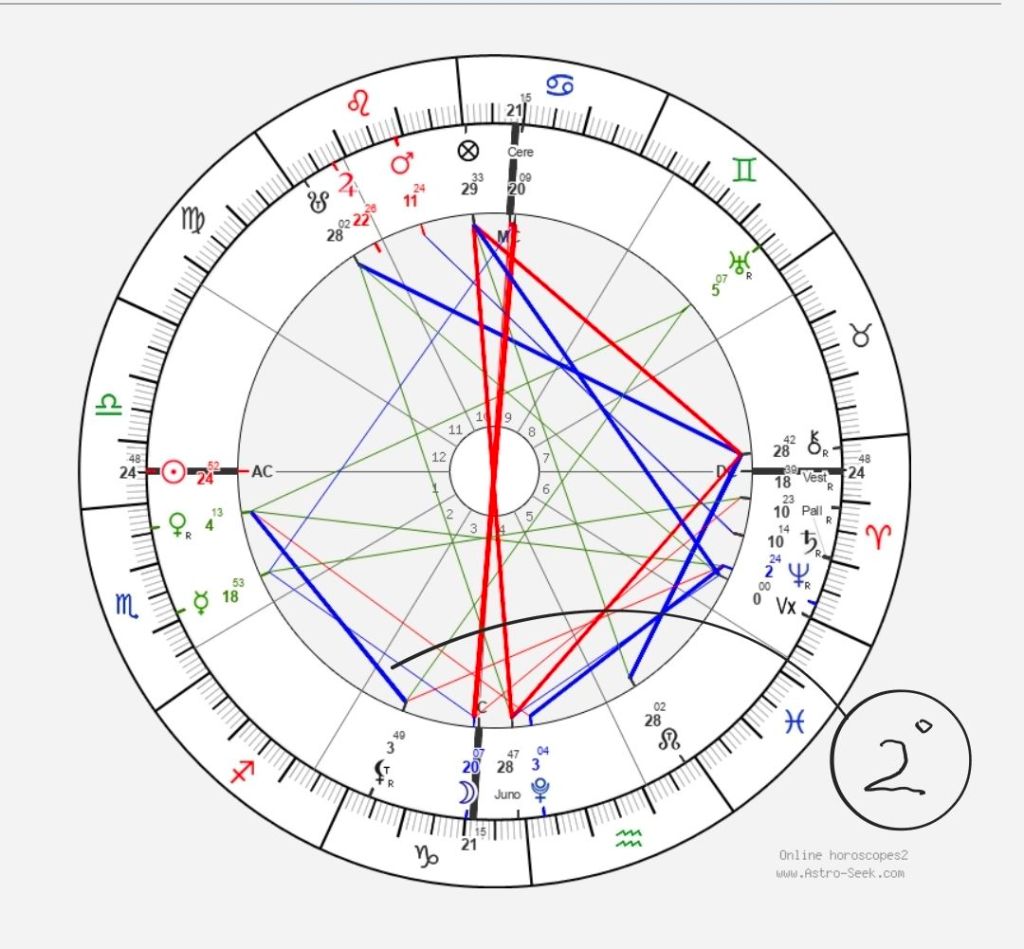
Moon in Capricorn or Day دی ♑ – Ahuramazdan Logic
Iranian Mathematics, 4700 years ago. The oldest known clay tablet containing mathematical computations (Schøyen MS 3047) is today held in the Schøyen Collection. It is a multiplication table from 27th century BCE Sumer giving area as a product of recorded lengths.
#Iran
#ایران
https://www.alimostofi.com - Moon in Sagittarius or Azar آذر ♐ – Ahuramazdan Leap of Faith
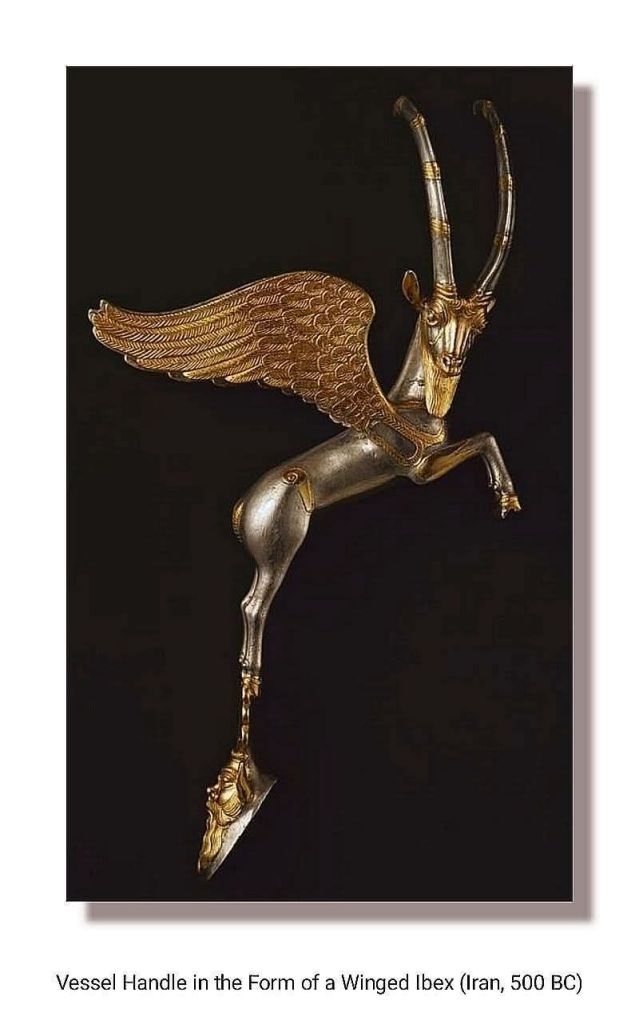
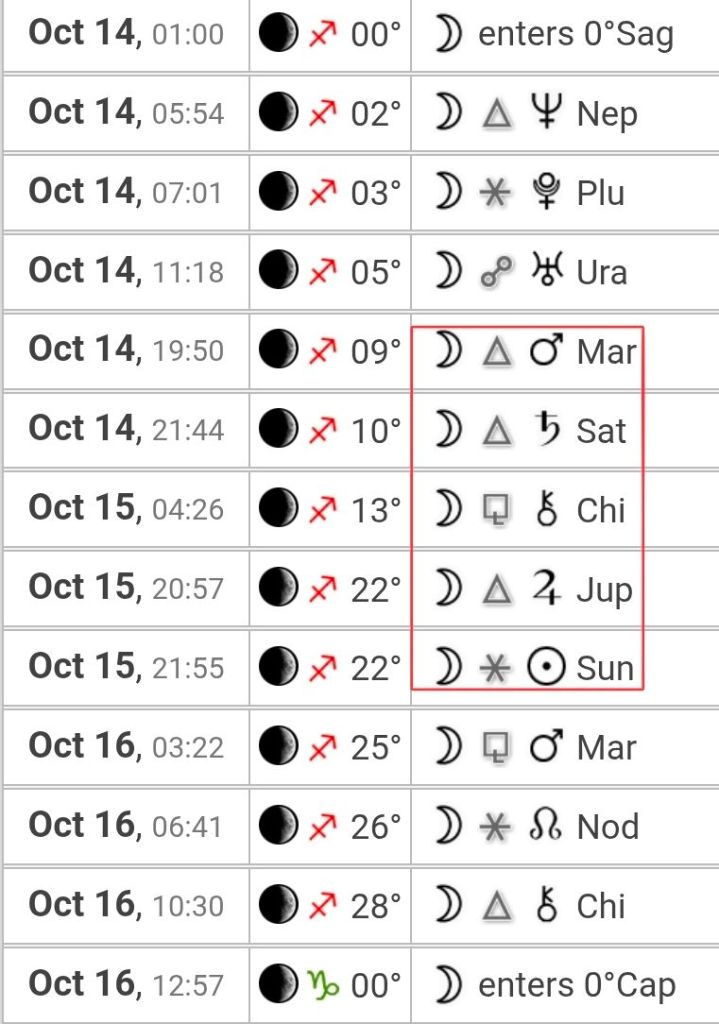
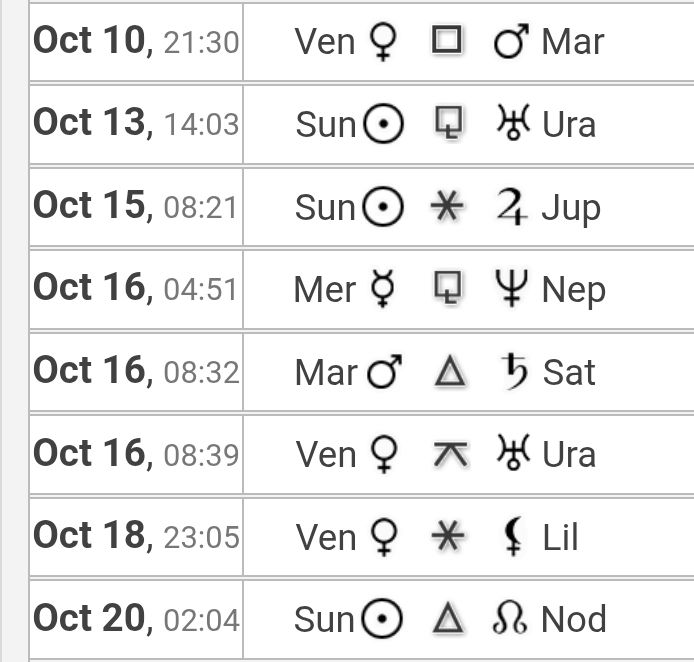
Moon in Sagittarius or Azar آذر ♐ – Ahuramazdan Leap of Faith
Iran, 2500 years ago. This piece was once a handle for a vessel used for pouring liquids.
#Iran
#ایران
https://www.alimostofi.com - Moon in Scorpio or Aban آبان ♏ – Ahuramazdan Rebirth
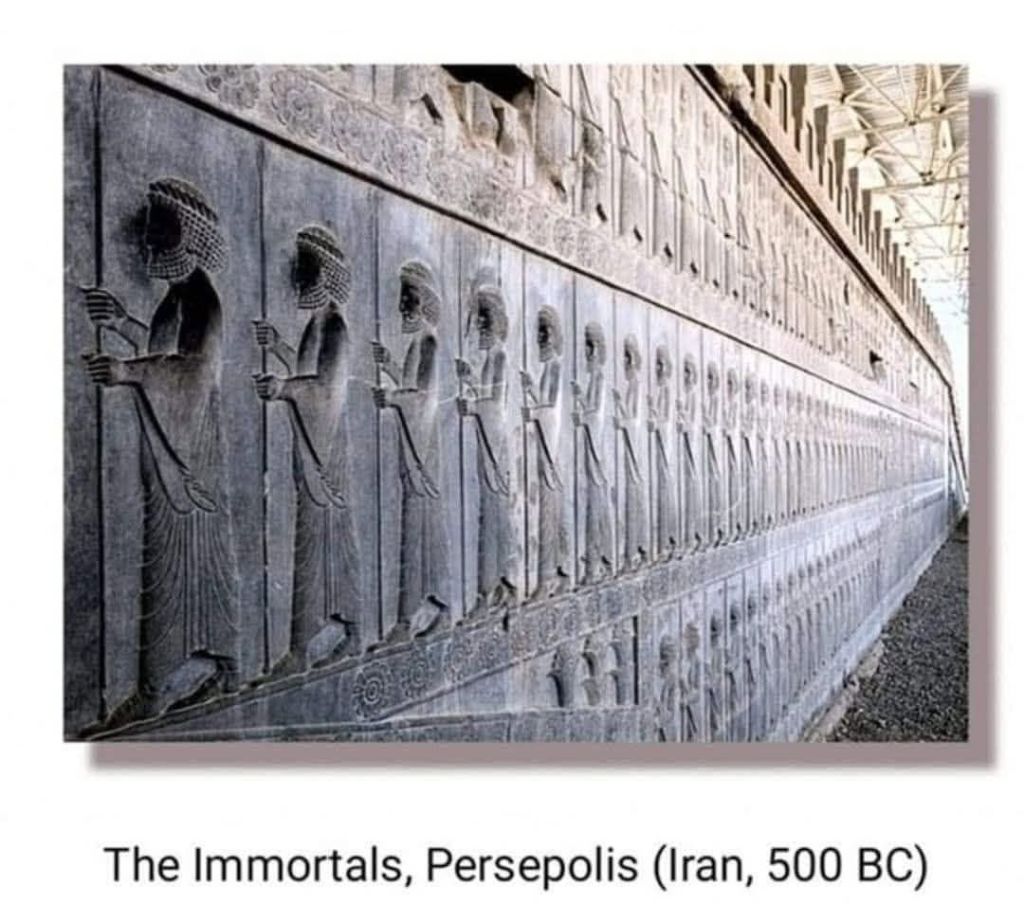
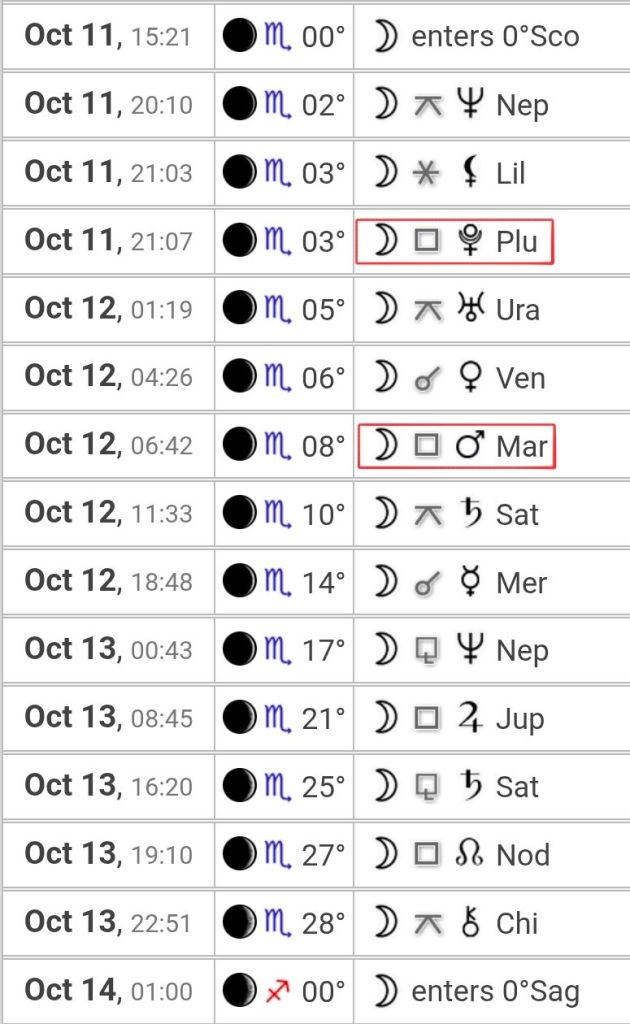
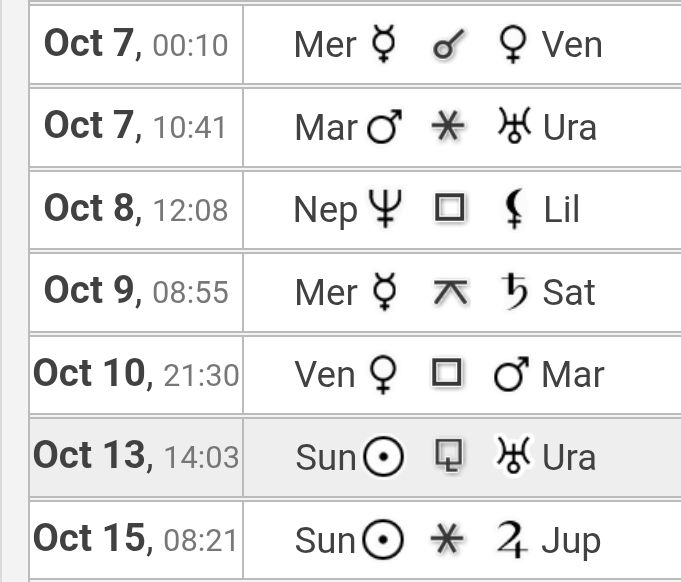
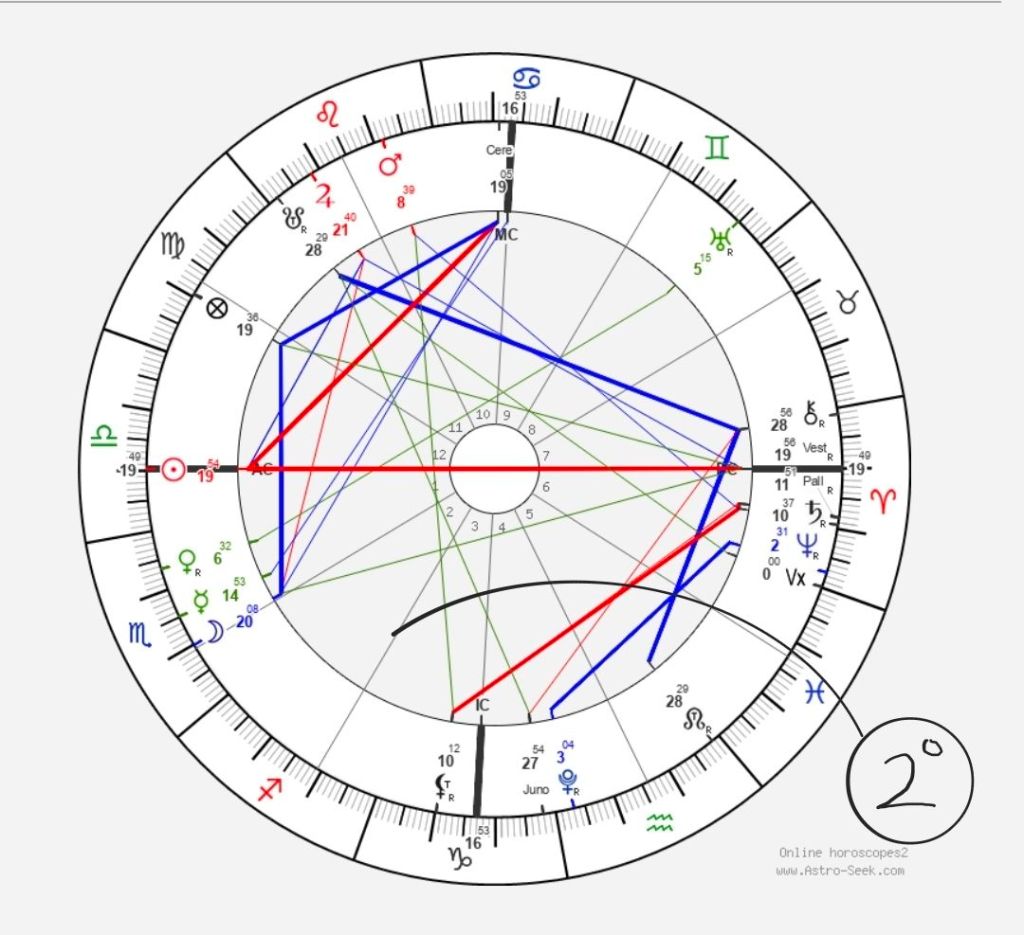
Moon in Scorpio or Aban آبان ♏ – Ahuramazdan Rebirth
The soldiers of ancient Persia or Iran, 2500 years ago, believed in living forever. They were called The Immortals. They live within all Iranians today.
#Iran
#ایران
https://www.alimostofi.com - Moon in Libra or Mehr مهر ♎ – Ahuramazdan Love
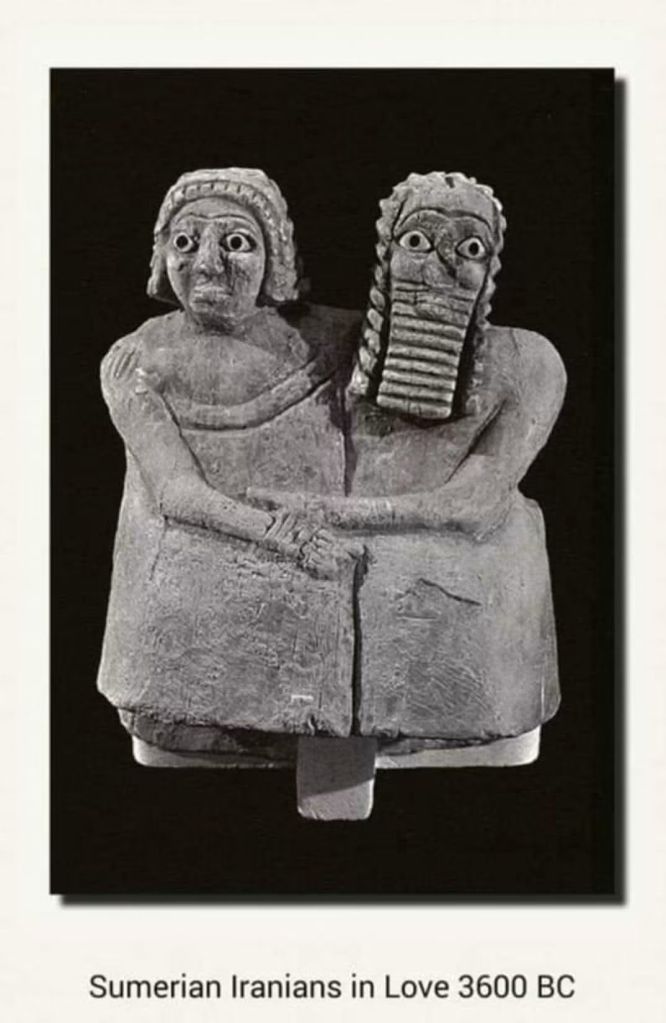
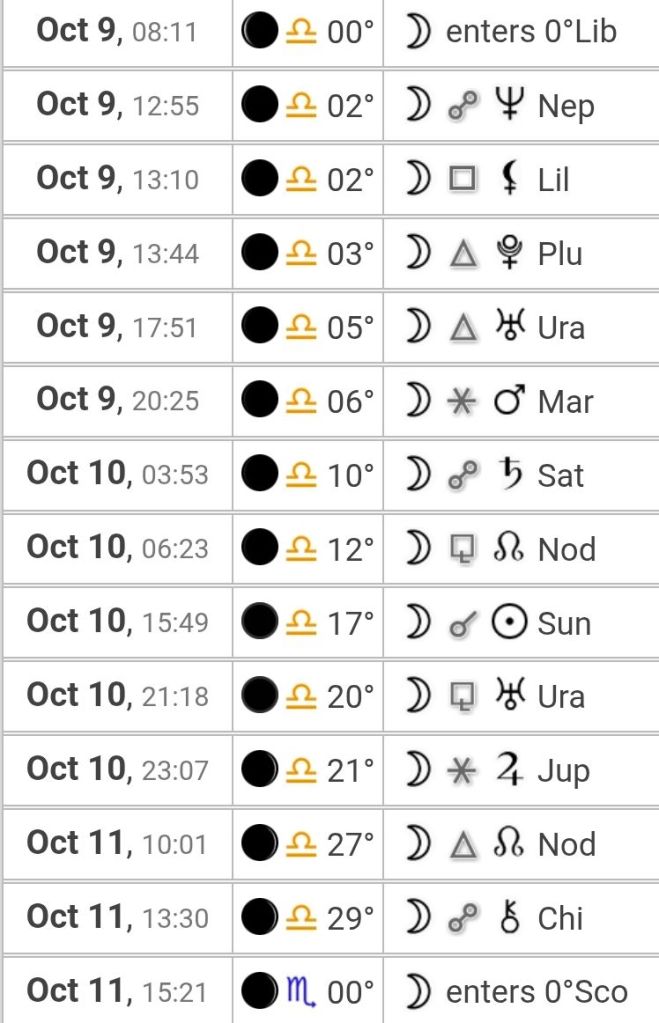
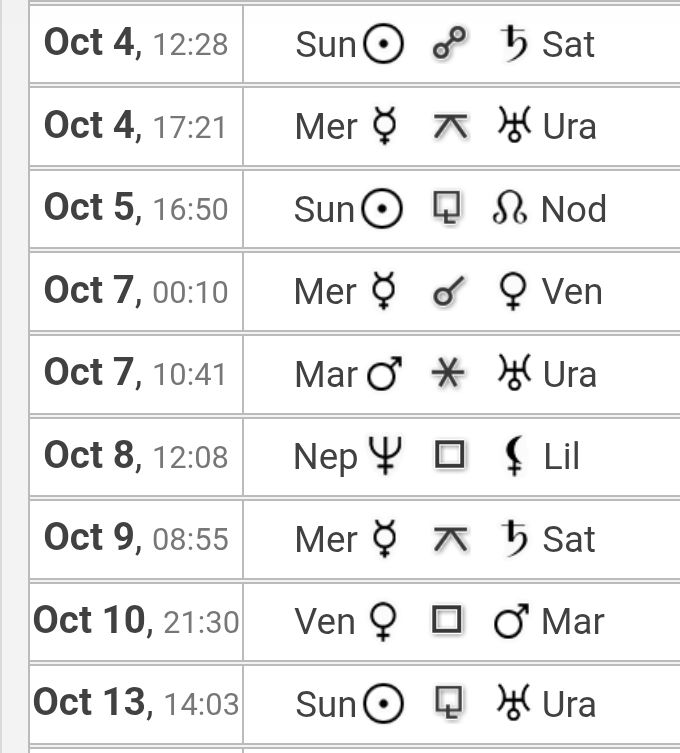
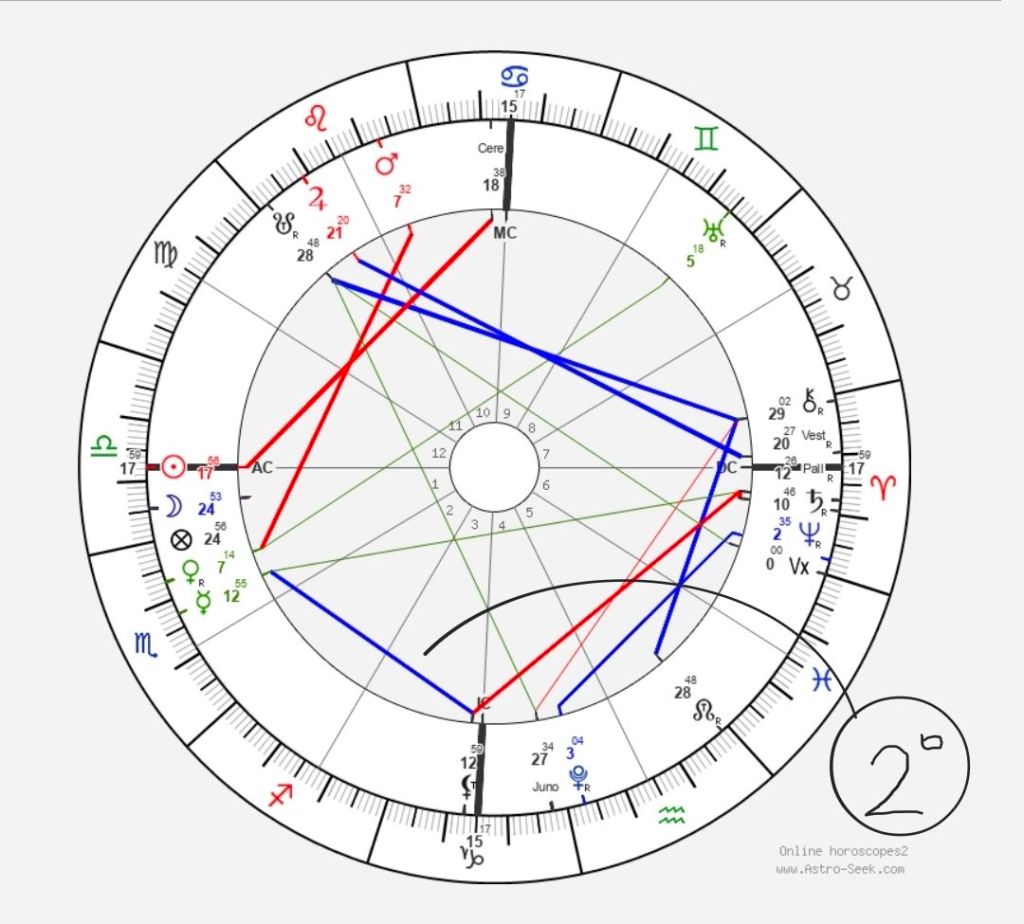
Moon in Libra or Mehr مهر ♎ – Ahuramazdan Love
Love across time ❤️. You can feel the love between these two Iranians 💏 from over 5000 years ago.
#Iran
#ایران
https://www.alimostofi.com - Moon in Virgo or Shahrivar شهریور ♍ – Ahuramazdan Numbers
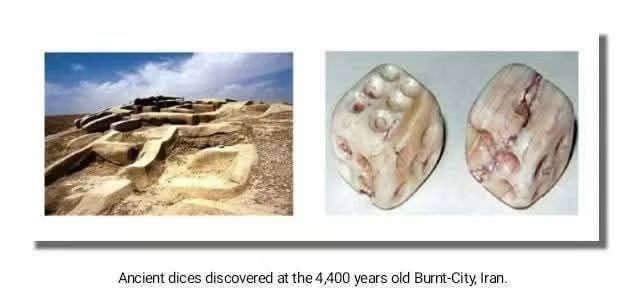
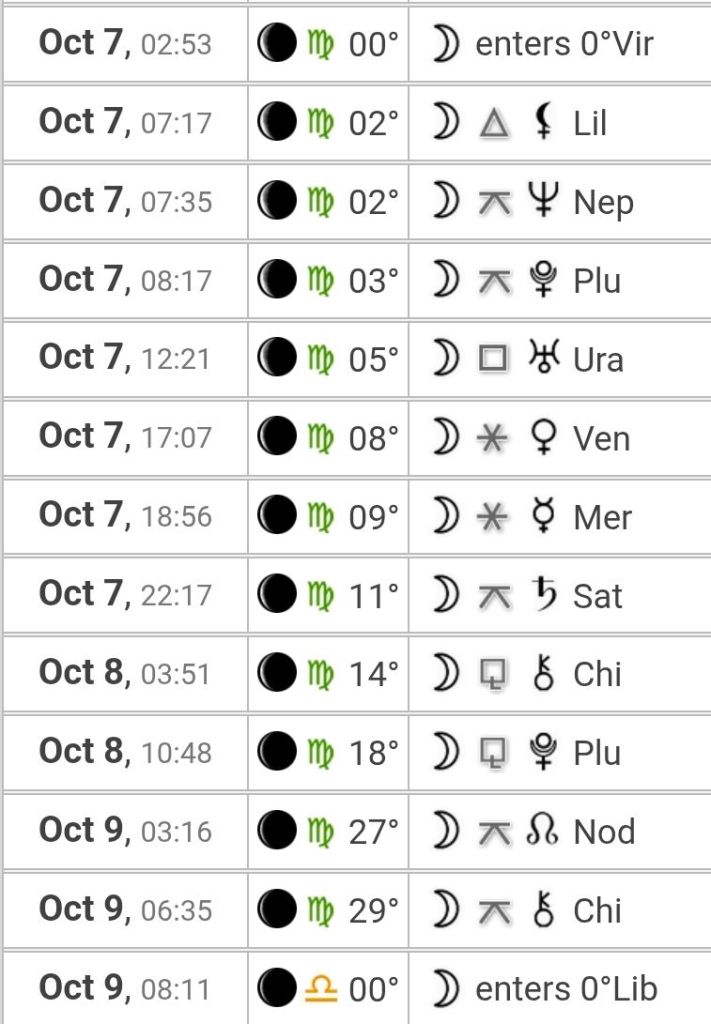
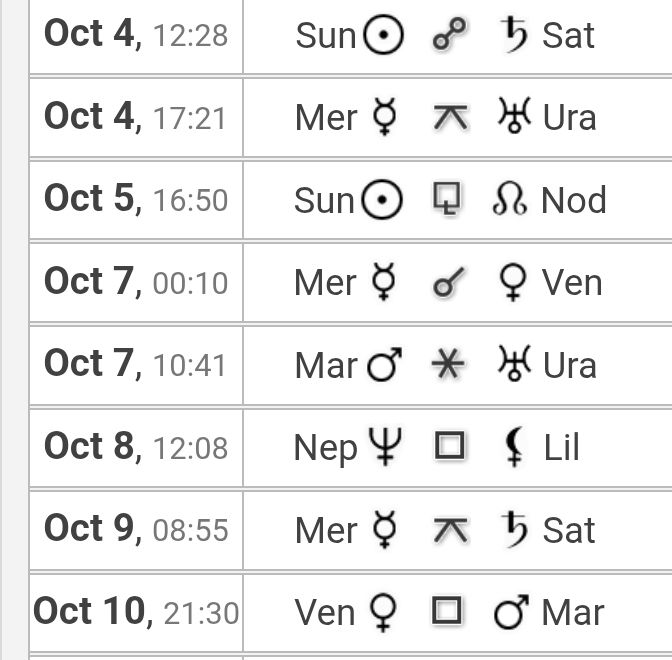
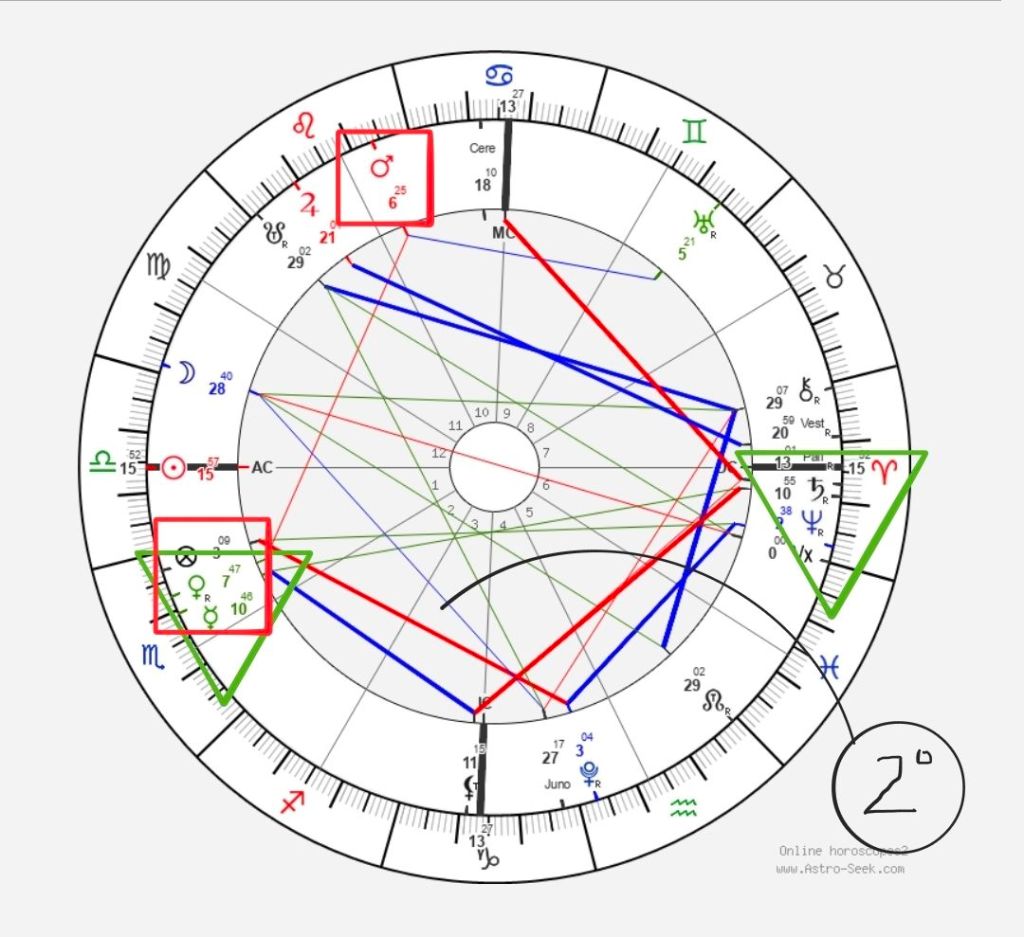
Moon in Virgo or Shahrivar شهریور ♍ – Ahuramazdan Numbers
Iran 4,400 years ago. Ancient dices discovered at the old Burnt-City, Iran.
#Iran
#ایران
https://www.alimostofi.com - Moon in Leo or Amordad امرداد ♌ – Ahuramazdan Gold
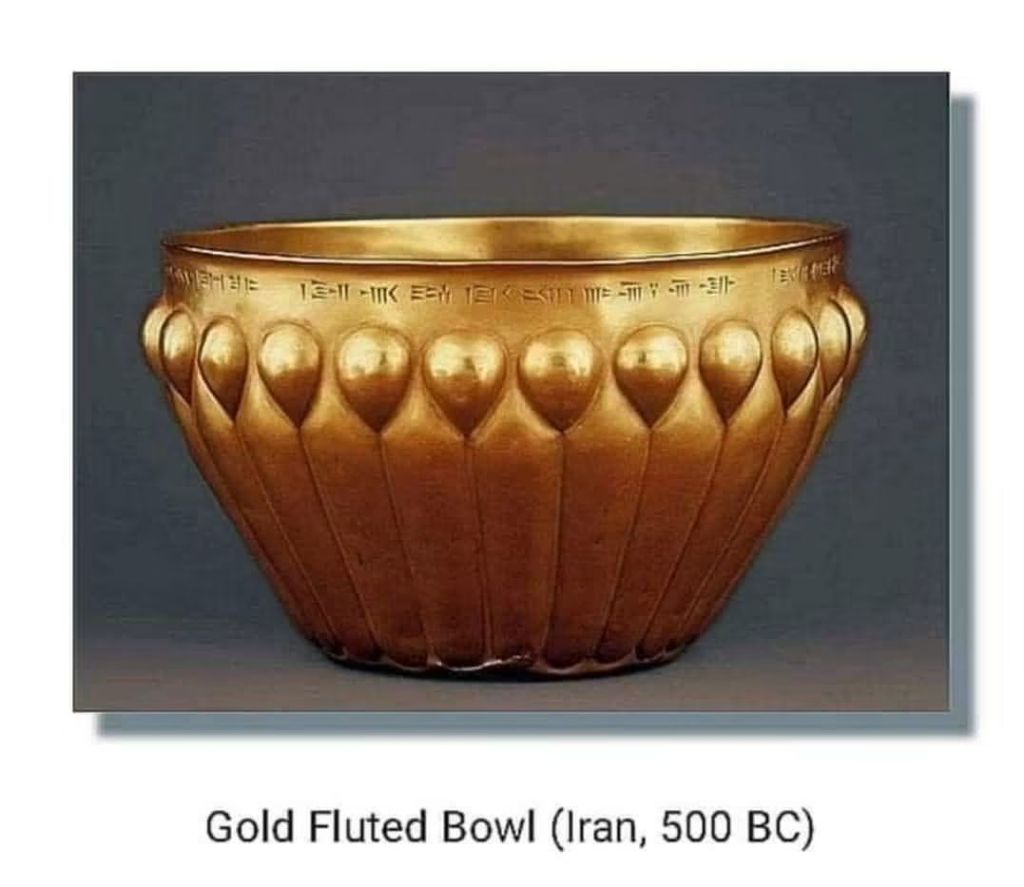
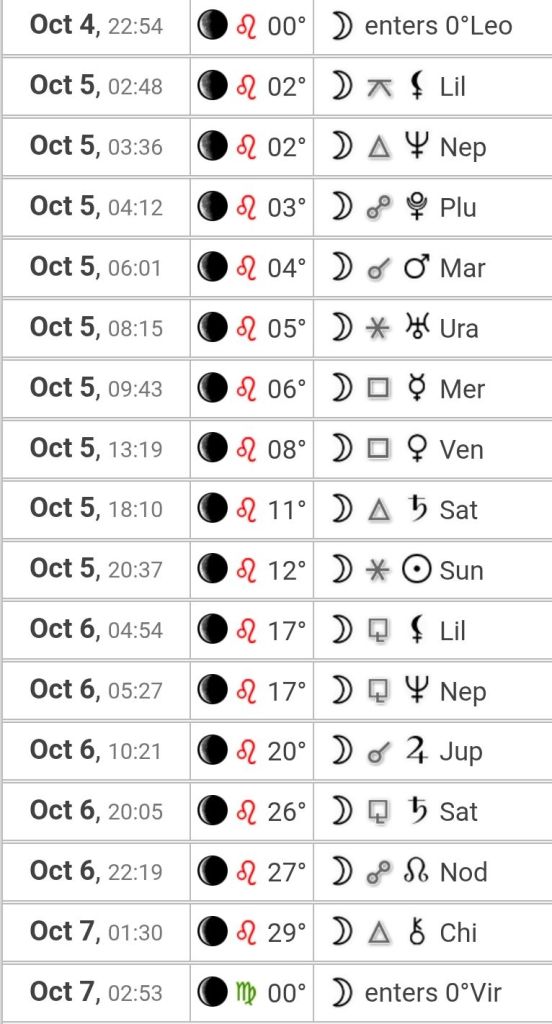
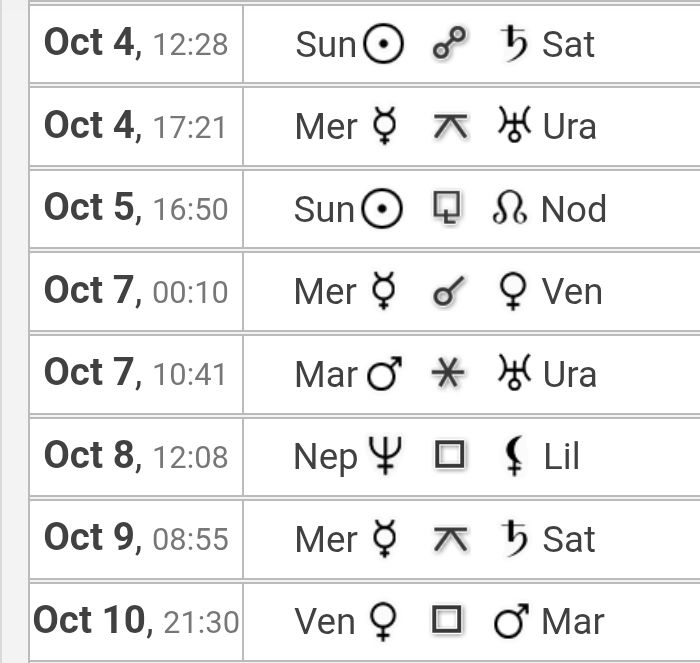
Moon in Leo or Amordad امرداد ♌ – Ahuramazdan Gold
Iran, 2500 years ago. This remarkable gold fluted bowl, was made by an Iranian 2500 years ago. The quality of workmanship is exceptional.
#Iran
#ایران
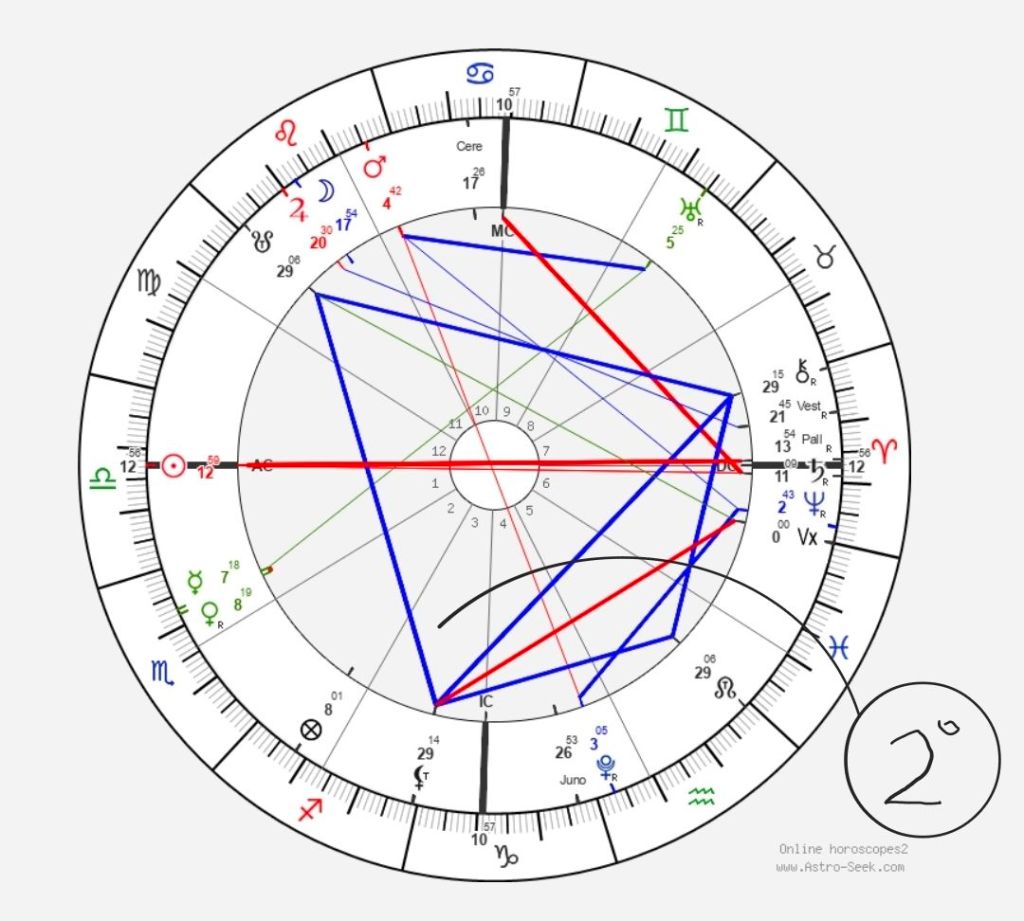
https://www.alimostofi.com - Moon in Cancer or Tir تیر ♋ – Ahuramazdan Mother of Iran
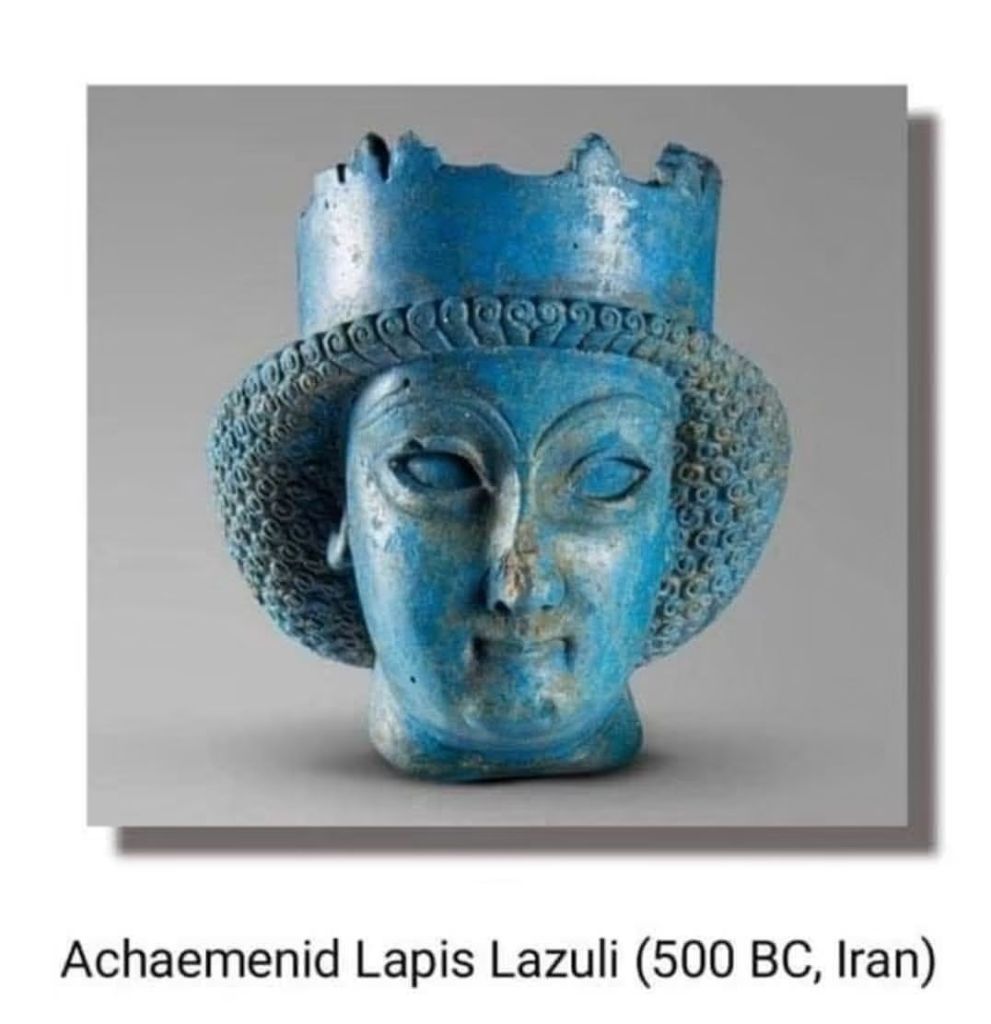
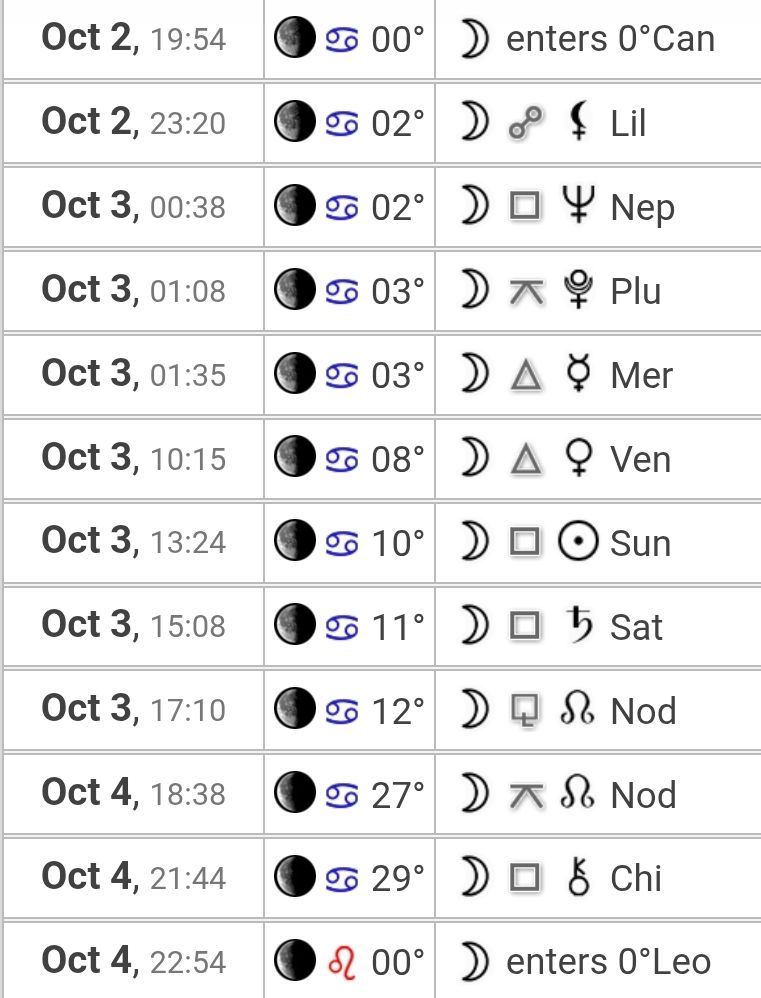
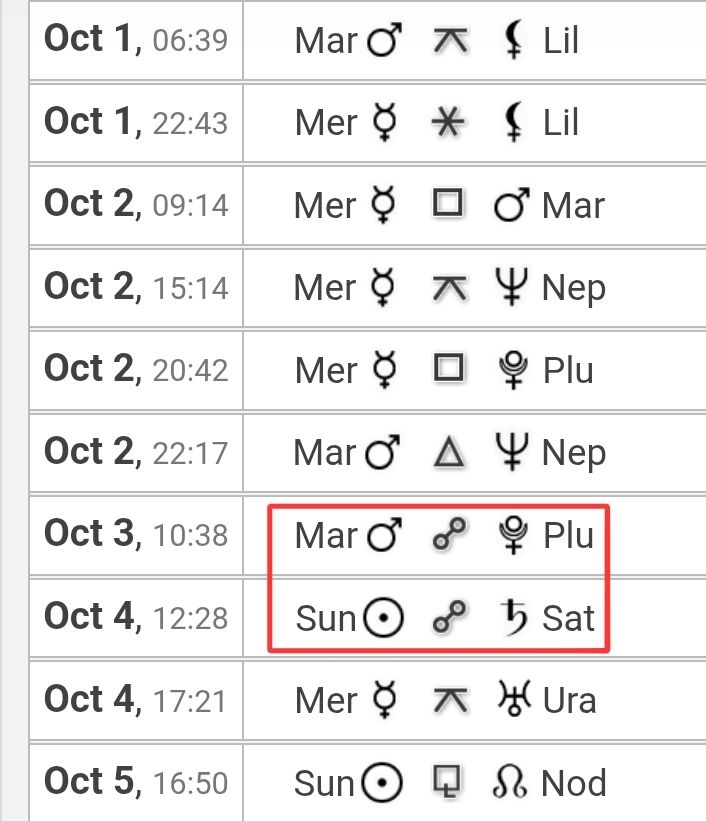
Moon in Cancer or Tir تیر ♋ – Ahuramazdan Mother of Iran
Empress Atossa of ancient Iran 2500 years ago, was the daughter of Cyrus the Great. She married Darius the Great. Together they brought on many reforms and global standards most notably a new cuneiform language and royal roads. It connected the four corners of the empire, from China to Africa, and Europe to India. It made Iran the crossroads of civilizations. Human rights was tolerated, and all countries lived peacefully according to their own traditions.
#Iran
#ایران
https://www.alimostofi.com - (no title)
- Moon in Taurus or Ordibehesht ♉ – Ahuramazdan Bull
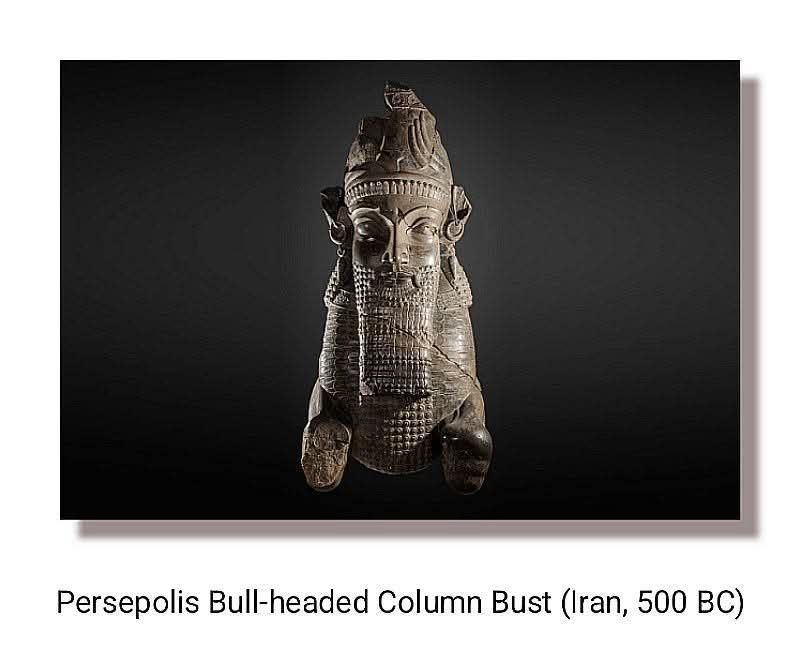
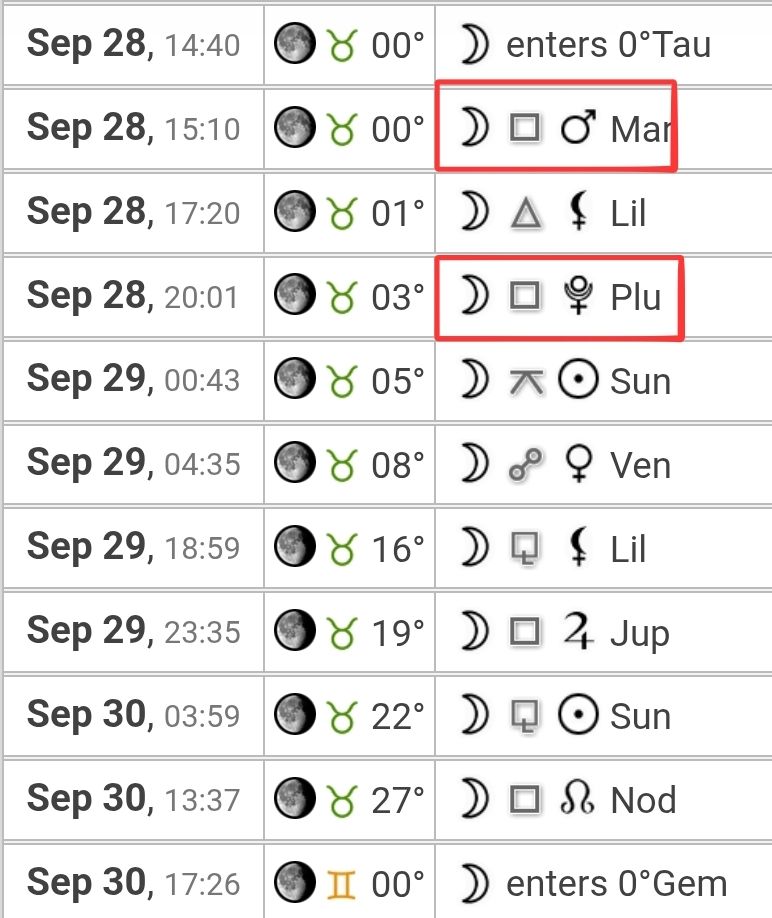
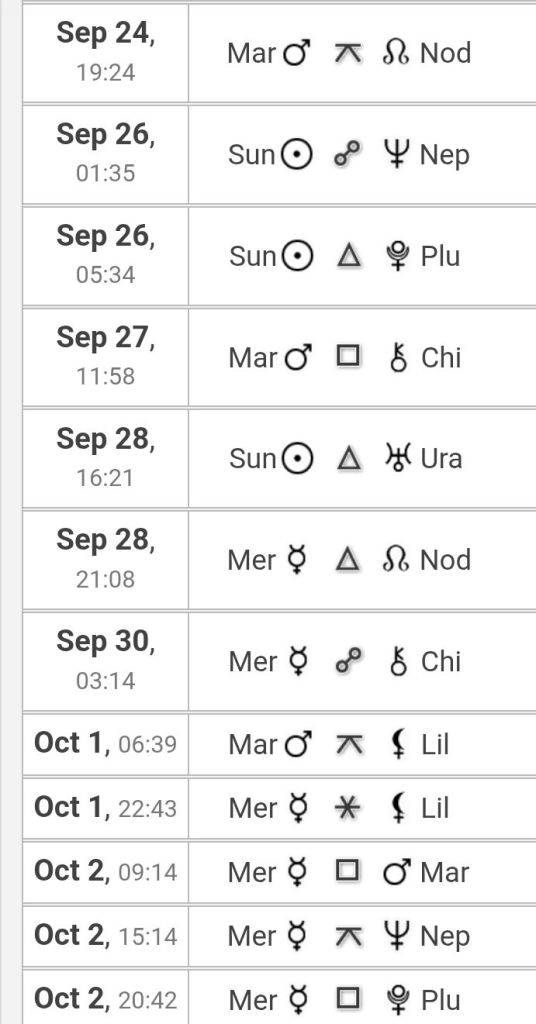
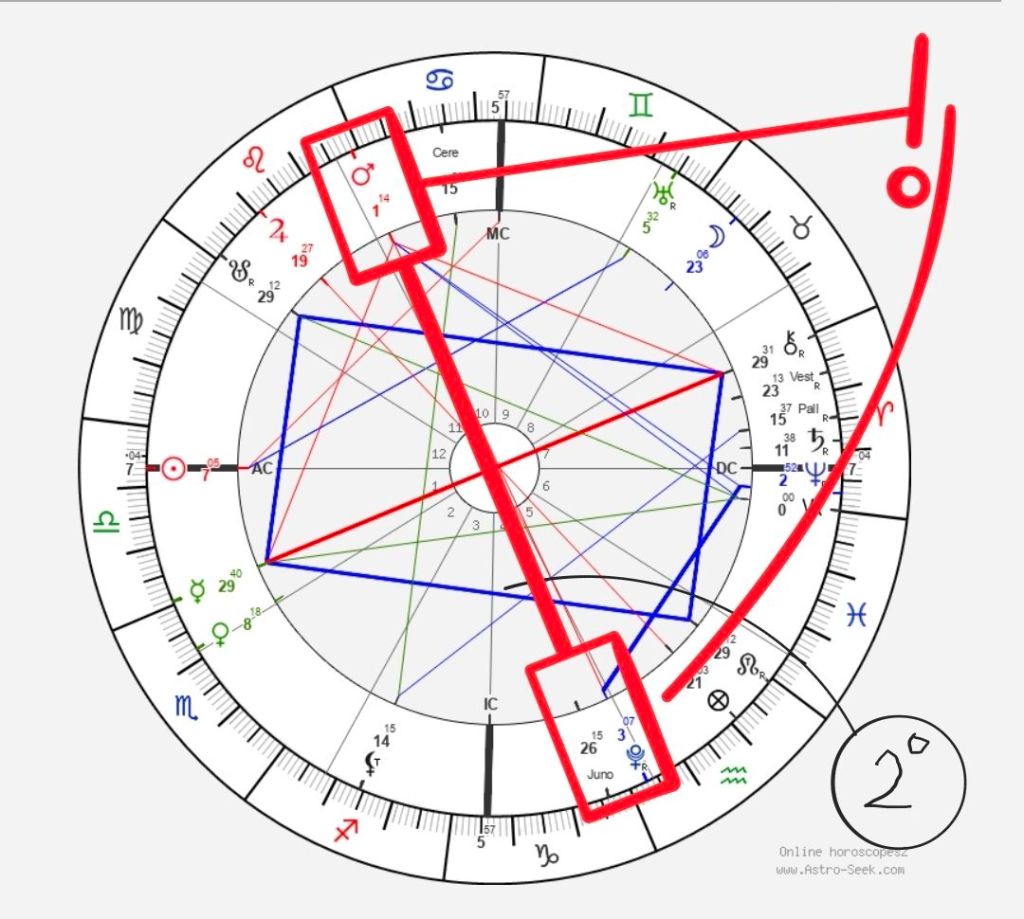
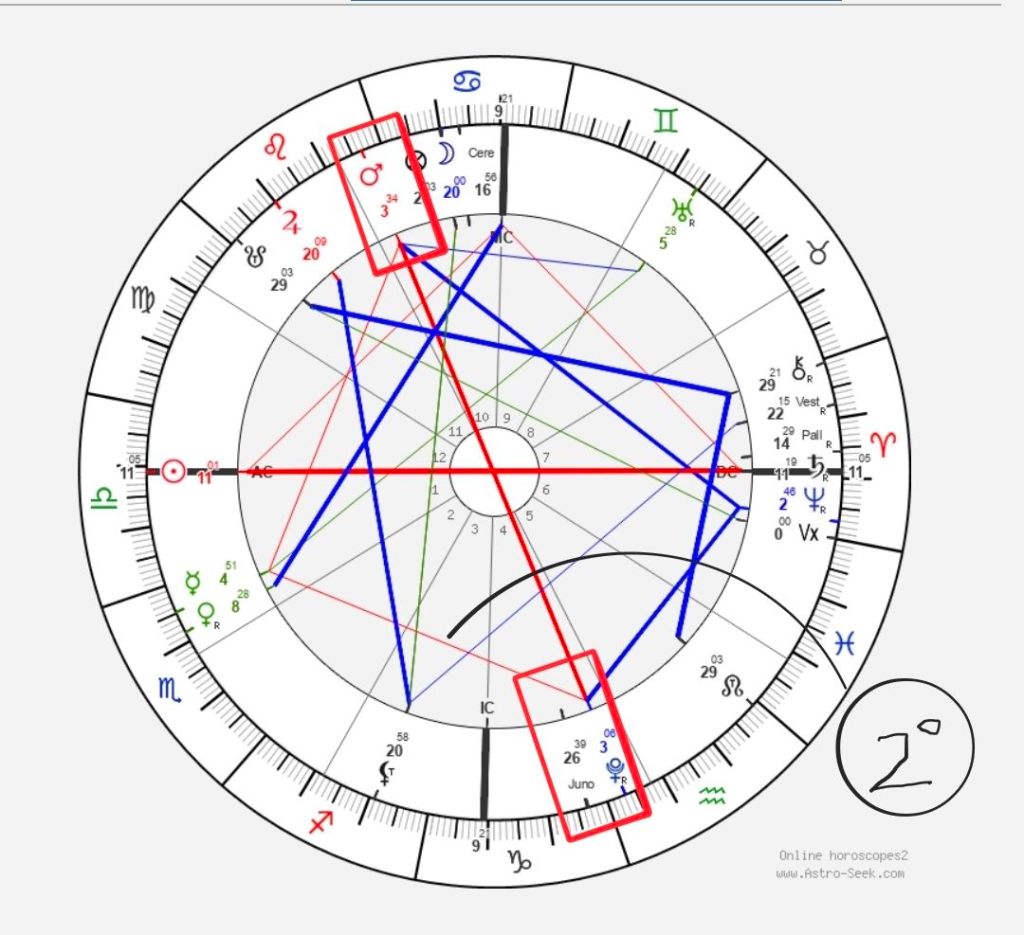
Moon in Taurus or Ordibehesht ♉ – Ahuramazdan Bull
Iran, 2500 years ago. Persepolis’s Palace of Nations, was the equivalent of United Nations. It’s entrances were protected by Bull-headed guards.
#Iran
#ایران
https://www.alimostofi.com - Moon in Aries or Farvardin فروردین ♈ – Ahuramazdan Ram
- (no title)
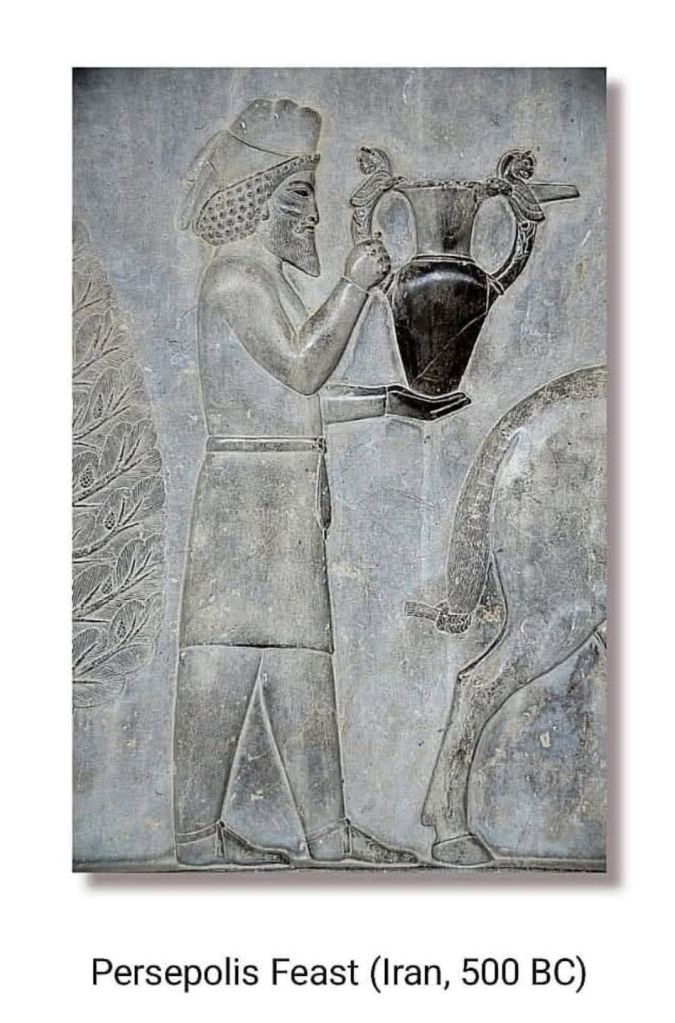
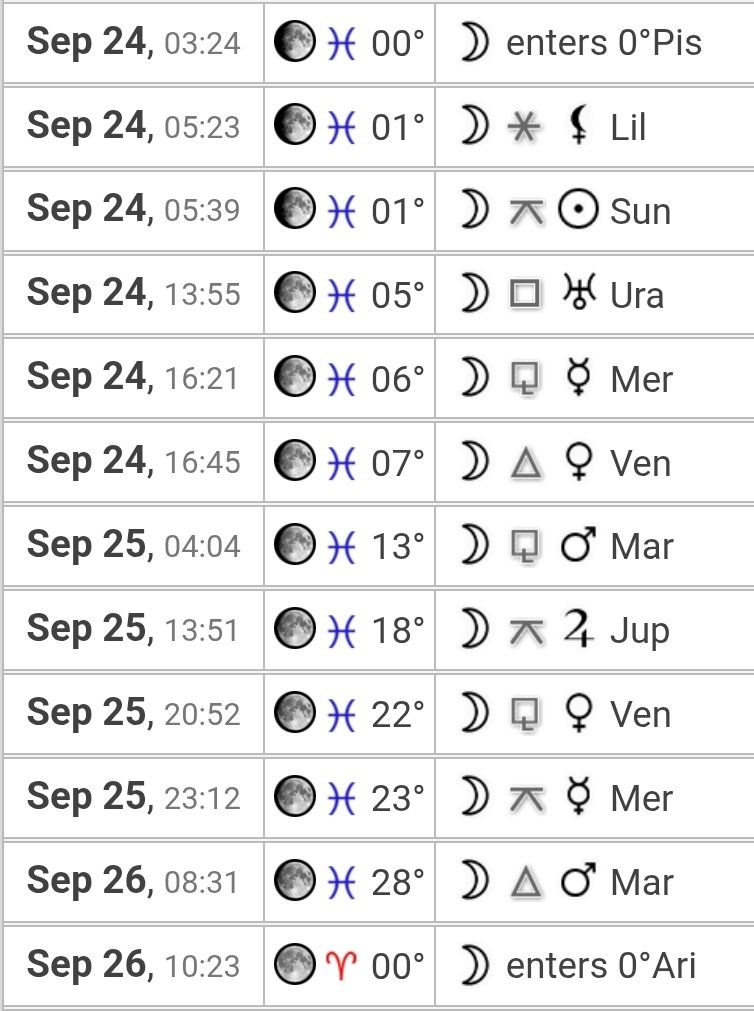
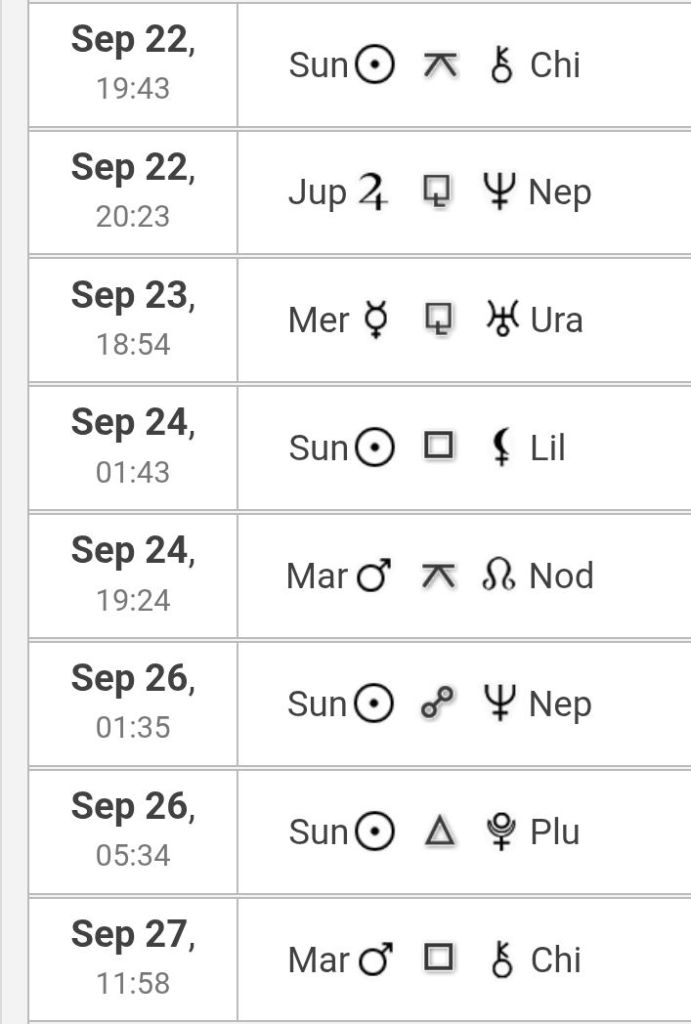
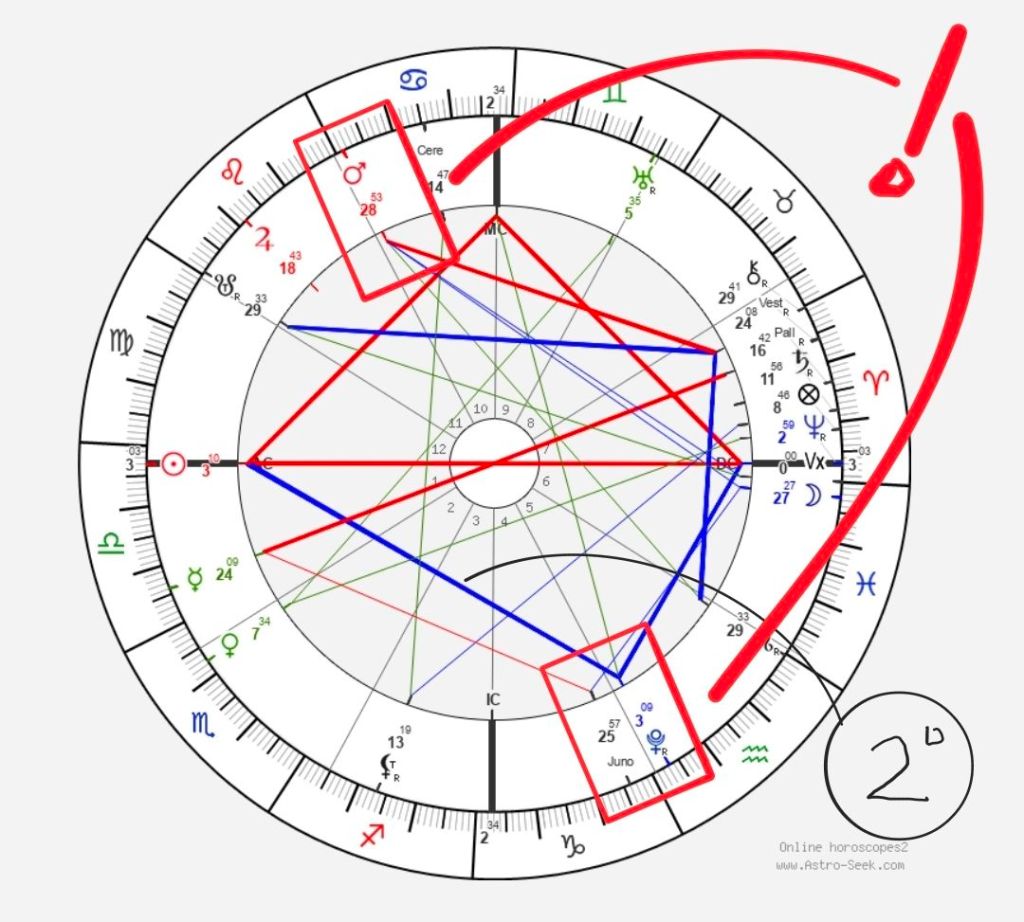
Moon in Pisces or Esfand اسفند ♓ – Ahuramazdan Wine
Wine was made in Iran, from as far back as 5400–5000 BC.
#Iran
#ایران
https://www.alimostofi.com - (no title)
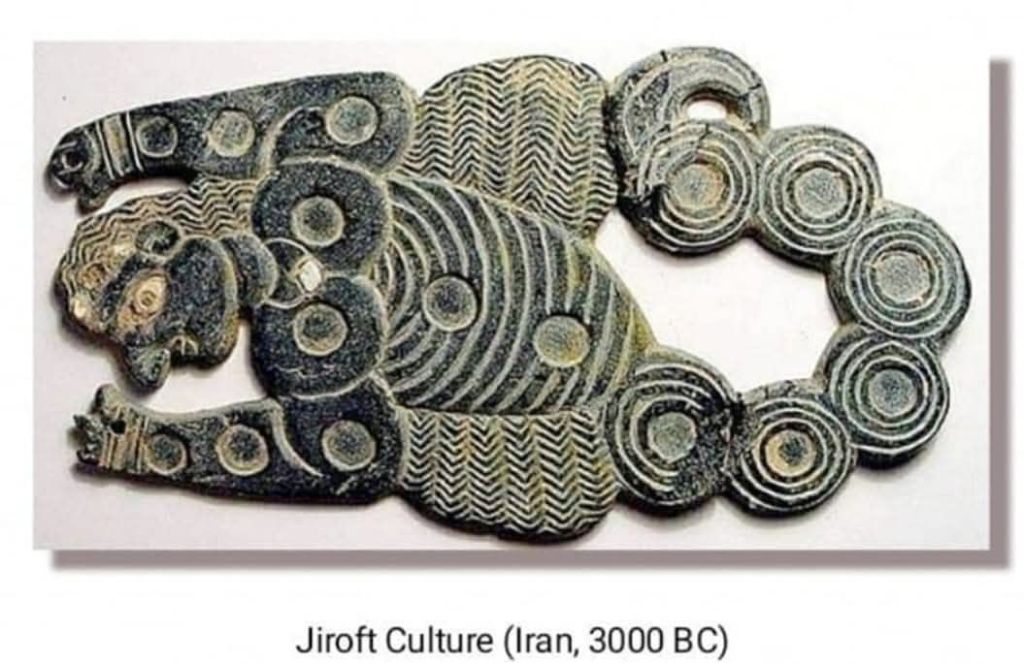
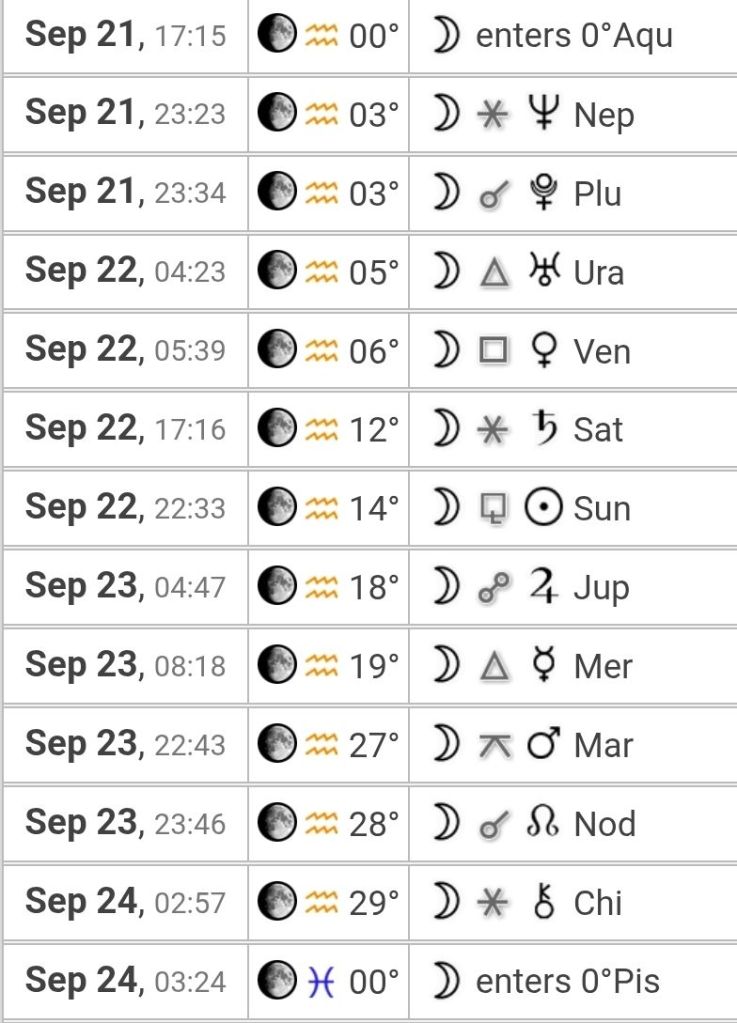
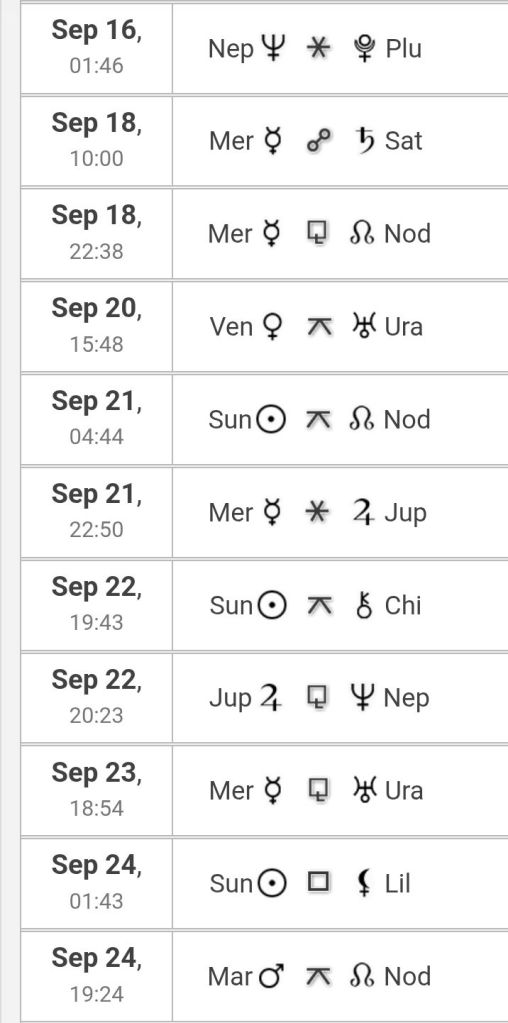
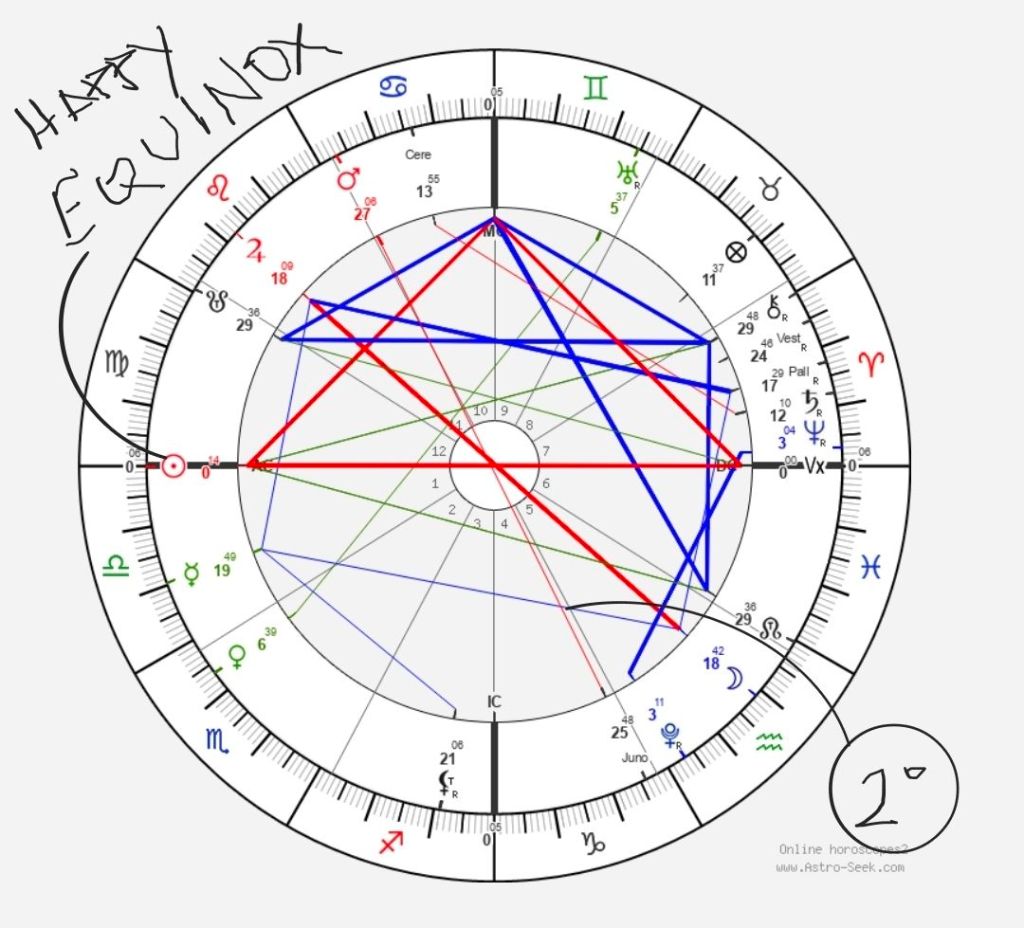
Moon in Aquarius or Bahman ♒ – Ahuramazdan Cycle of Life
5000 year old Iranian culture explaining the cycle of life.
#Iran
#ایران
https://www.alimostofi.com - Moon in Capricorn or Day دی ♑ – Ahuramazdan Authority
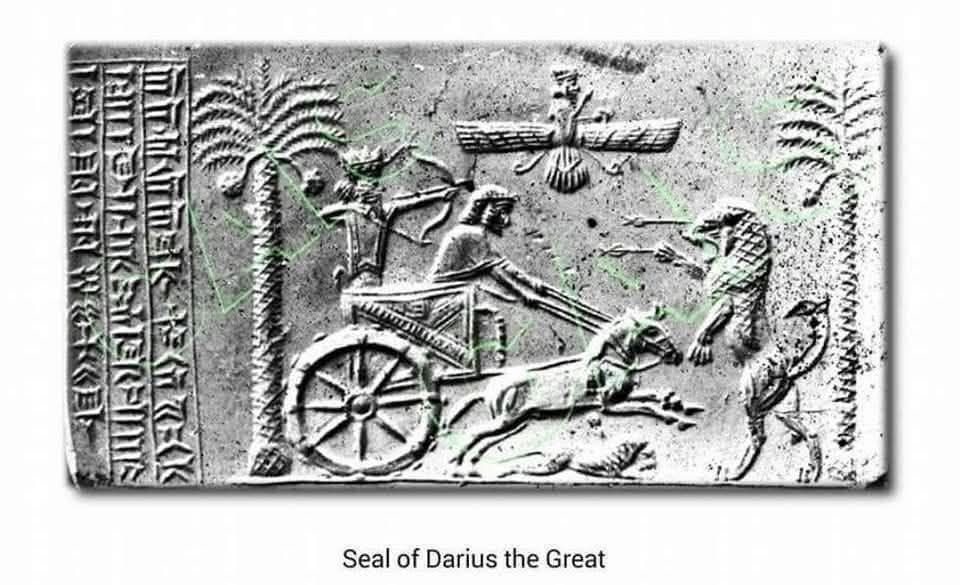
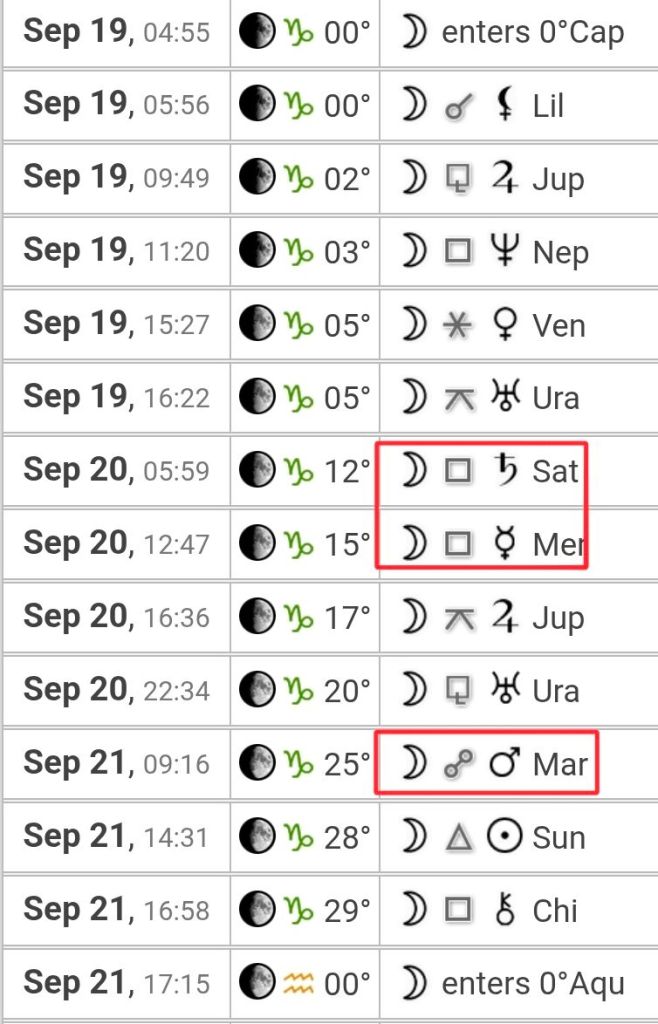
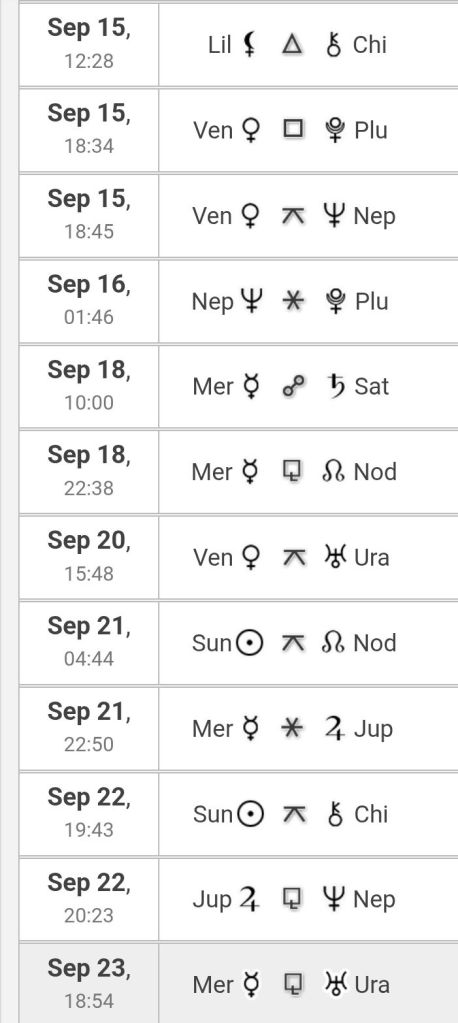
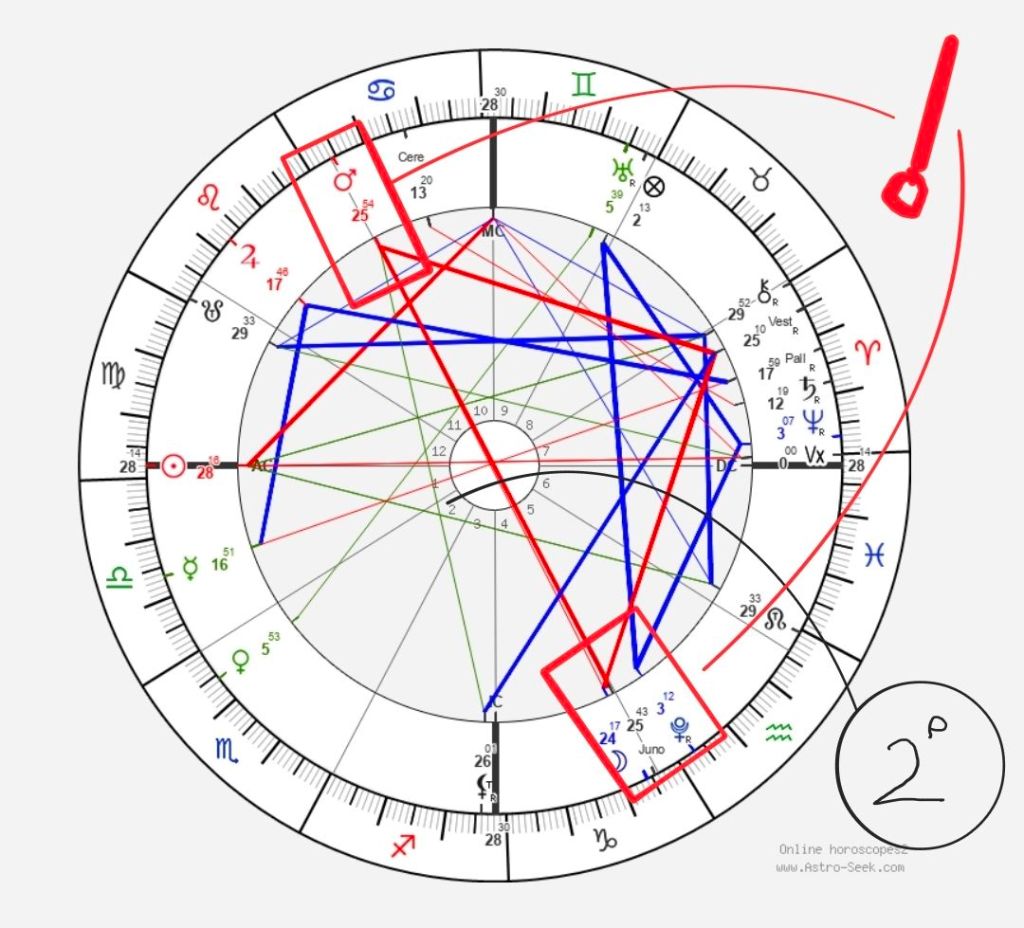
Moon in Capricorn or Day دی ♑ – Ahuramazdan Authority
Darius sealed his authority, for the first time in human history, with an immense network of highways and chariots 2500 years ago. Iran made the first fast chariots and Royal Roads, that connected the four corners of the world. Persepolis was the capital of the world’s first empire, at the crossroads of civilizations 2500 years ago.
#Iran
#ایران
https://www.alimostofi.com - Moon in Sagittarius or Azar آذر ♐ – Ahuramazdan Belief
- Moon in Scorpio or Aban آبان ♏ – Ahuramazdan Passage
- “The Asteroid Implementers and Their Astrological Exaltations”اجراکنندگان سیارکی و علوّهای نجومی آنها
“The Asteroid Implementers and Their Astrological Exaltations”
اجراکنندگان سیارکی و علوّهای نجومی آنها
Mainstream astrology often reduces the four major asteroids—Ceres, Pallas, Juno, and Vesta—to minor psychological add-ons or vague archetypal symbols. However, when viewed through a strict structural, tropical geocentric framework, these bodies are not floating psychological curiosities, but rather the high-precision, practical terrestrial implementers of the major planetary rulers acting as the exact mechanical gears that translate macro-cosmic laws into tangible, earthly execution.
The Planetary Rulers and Their Practical Implementers
In a closed thermodynamic and geometric astrological wheel, every abstract force requires a physical mechanism to enact it, allowing the major asteroids to pair directly with their corresponding planetary rulers and inherit their exact structural exaltations.
Practical Gearbox of the Astrological Wheel
Ceres (Practical Implementer of the Moon)
Contribution: While the Moon governs emotional tides and foundational rhythms, Ceres operates as its physical manifestation on the ground—managing agricultural cycles, material nourishment, physical sustenance, and the harvest.
Resistance: Modern astrological frameworks ignore its structural mechanics, reducing it to a vague symbol of maternal nurturing while stripping away its precise role as the lunar implementer on the ground.
Juno (Practical Implementer of Venus)
Contribution: Venus establishes the value of Taurus and the drive for union, but Juno is the operational enforcer that operationalizes binding commitments, legal frameworks, and one-to-one partnerships on the ground.
Resistance: Shunted into general psychological relationship profiling rather than recognized as the strict terrestrial implementer of Venusian valuation and legal binding.
Pallas Athene (Practical Implementer of Mercury)
Contribution: Mercury provides raw data, communication, and intellectual systems, but Pallas Athene executes the strategy by designing pattern recognition, systemic architecture, and structural logic aligned with Mercury’s systemic exaltation in Aquarius and the 11th house.
Resistance: Dismissed as an abstract indicator of creative intelligence rather than integrated as the precise tactical implementer of Mercury within the corporate grid.
Vesta (Practical Implementer of Mars)
Contribution: Mars governs raw drive, energy, and individual action, while Vesta translates that raw force into unyielding, single-minded focus and absolute dedication. Because Mars is exalted in Capricorn and the 10th house, Vesta’s exaltation lands squarely in the 10th house, ruling the absolute preservation of focus and professional duty within society.
Resistance: Systematically sidelined and stripped of its structural connection to Mars and the 10th house by Western astrologers who feared its precise timing and mechanical potency.
Conclusion
The four major asteroids are not arbitrary additions but the vital, micro-level gears that keep the entire cosmic and economic engine running. Preserved in ancient traditions and texts such as the Zend-Avesta, restoring these implementers to their precise mechanical positions on the astrological wheel completes the closed thermodynamic circuit connecting individual survival, corporate structure, and ultimate rebirth.
—
اجراکنندگان سیارکی و علوّهای نجومی آنها
طالعبینی جریان اصلی اغلب چهار سیارک اصلی یعنی سرس، پالاس، ژونو و وستا را به ضمیمههای روانشناختی جزئی یا نمادهای کهنالگویی مبهم تقلیل میدهد. با این حال، هنگامی که از طریق یک چارچوب ساختاری و ژئوسنتریک استوایی دقیق بررسی شوند، این اجرام نه کنجکاویهای روانشناختی معلق، بلکه اجراکنندگان زمینی عملی و با دقت بالای حاکمان سیارهای اصلی هستند که به عنوان چرخدندههای مکانیکی دقیق عمل میکنند تا قوانین کلانکیهانی را به اجرای ملموس و زمینی ترجمه کنند.
حاکمان سیارهای و اجراکنندگان عملیاتی آنها
در یک چرخه نجومی بسته ترمودینامیکی و هندسی، هر نیروی انتزاعی نیازمند یک مکانیزم فیزیکی برای تحقق است و به سیارکهای اصلی اجازه میدهد مستقیماً با حاکمان سیارهای متناظر خود جفت شده و علوّهای ساختاری دقیق آنها را به ارث ببرند.
جعبهدنده عملیاتی چرخه نجومی
سرس (اجراکننده عملیاتی ماه)
مشارکت: در حالی که ماه جزرومد عاطفی و ریتمهای پایهای را اداره میکند، سرس به عنوان تجلی فیزیکی آن در زمین عمل میکند و چرخههای کشاورزی، تغذیه مادی، امرار معاش فیزیکی و محصول را مدیریت مینماید.
مقاومت: سیستمهای طالعبینی مدرن مکانیک ساختاری آن را نادیده گرفته و آن را به نمادی مبهم از پرورش مادری تقلیل دادهاند و نقش دقیق آن را به عنوان اجراکننده قمری روی زمین حذف کردهاند.
ژونو (اجراکننده عملیاتی زهره)
مشارکت: زهره ارزش ثور و انگیزه اتحاد را برقرار میکند، اما ژونو مجری عملیاتی است که تعهدات الزامآور، چارچوبهای حقوقی و شراکتهای فردی را در زمین پیاده میکند.
مقاومت: به جای شناخت به عنوان اجراکننده زمینی دقیق ارزشگذاری ونوسی و پیوندهای حقوقی، در تحلیلهای عمومی روابط روانشناختی محدود شده است.
پالاس آتنا (اجراکننده عملیاتی عطارد)
مشارکت: عطارد دادههای خام، ارتباطات و سیستمهای فکری را فراهم میکند، اما پالاس آتنا با طراحی تشخیص الگو، معماری سیستمی و منطق ساختاری همراستا با علوّ سیستمی عطارد در دلو و خانه یازدهم، استراتژی را اجرا میکند.
مقاومت: به عنوان شاخص انتزاعی هوش خلاق کنار گذاشته شده است و به عنوان مجری تاکتیکی دقیق عطارد در شبکه شرکتی یکپارچه نشده است.
وستا (اجراکننده عملیاتی مریخ)
مشارکت: مریخ پیشران خام، انرژی و عمل فردی را اداره میکند و وستا آن نیروی خام را به تمرکز تسلیمناپذیر و فداکاری مطلق ترجمه میکند. از آنجا که مریخ در جدی و خانه دهم علوّ دارد، علوّ وستا دقیقاً در خانه دهم فرود میآید و بر حفظ مطلق تمرکز و وظیفه حرفهای در جامعه حکومت میکند.
مقاومت: منجمان غربی که از توان مکانیکی و زمانبندی دقیق آن بیم داشتند، آن را به طور سیستماتیک به حاشیه رانده و ارتباط ساختاریاش با مریخ و خانه دهم را قطع کردند.
نتیجهگیری
چهار سیارک اصلی اضافات دلخواهی نیستند، بلکه چرخدندههای حیاتی و در سطح خردی هستند که کل موتور کیهانی و اقتصادی را در حال چرخش نگه میدارند. با بازگرداندن این اجراکنندگان به موقعیتهای مکانیکی دقیق خود در چرخه نجومی که در سنتهای باستانی و متونی مانند زند و اوستا حفظ شده است، مدار بسته ترمودینامیکی متصلکننده بقای فردی، ساختار شرکتی و تولد دوباره نهایی کامل میشود.
- Moon in Virgo or Shahrivar شهریور ♍ – Ahuramazdan Detailed Measurements


Moon in Virgo or Shahrivar شهریور ♍ – Ahuramazdan Detailed Measurements
Astronomical Crown of Emperor Shahpour II (309-379 AD): actual crown on left shows the Moon days with seven steps four times around 365 lines of the Sun globe. Please note that the copy on the right was done by someone who obviously didn’t realise that it was an astronomical calendar.
#Iran
#ایران
https://www.alimostofi.com - New Today/Tomorrow 08-09/09/2026 Citystats Stock Market Oil Astrology Geomagnetic Activity Report.
New Today/Tomorrow 08-09/09/2026 Citystats Stock Market Oil Astrology Geomagnetic Activity Report.
Main Site (inquiry form)
http://citystats.co.uk/
Introduction
https://youtu.be/CdnF7KJQsMY
Latest Prediction
https://youtube.com/shorts/6r_YuFVC9xM
Ali Mostofi
https://alimostofi.com


- Moon in Leo or Amordad امرداد ♌ – Ahuramazdan Gold


Moon in Leo or Amordad امرداد ♌ – Ahuramazdan Gold
Iran, 2500 years ago. Ancient Persia was famous for its Gold. This drinking vessel, known as a Rython, is a prime example, of the highest level of metallurgy 2500 years ago, by an Iranian. But why did it have wings? It’s a testament to Ahuramazdan mythology.
Ali Mostofi
https://www.alimostofi.com - Moon in Cancer or Tir تیر ♋ – Ahuramazdan Family


Moon in Cancer or Tir تیر ♋ – Ahuramazdan Family
Love across time ❤️. You can feel the love between these two Iranians 💏 from over 5000 years ago.
Ali Mostofi
https://www.alimostofi.com - Moon in Gemini or Khordad خرداد ♊ – Ahuramazdan Language


Moon in Gemini or Khordad خرداد ♊ – Ahuramazdan Language
Iran, 5,200 years ago. This is what the oldest language in the world looked like. It is called Proto-Elamite. It comes from Ilam province in Iran. Human beings left Africa 55,000 years ago, and settled in this area. It is where civilization began.
Ali Mostofi
https://www.alimostofi.com - Moon in Taurus or Ordibehesht اردیبهشت ♉ – Ahuramazdan Bull


Moon in Taurus or Ordibehesht اردیبهشت ♉ – Ahuramazdan Bull
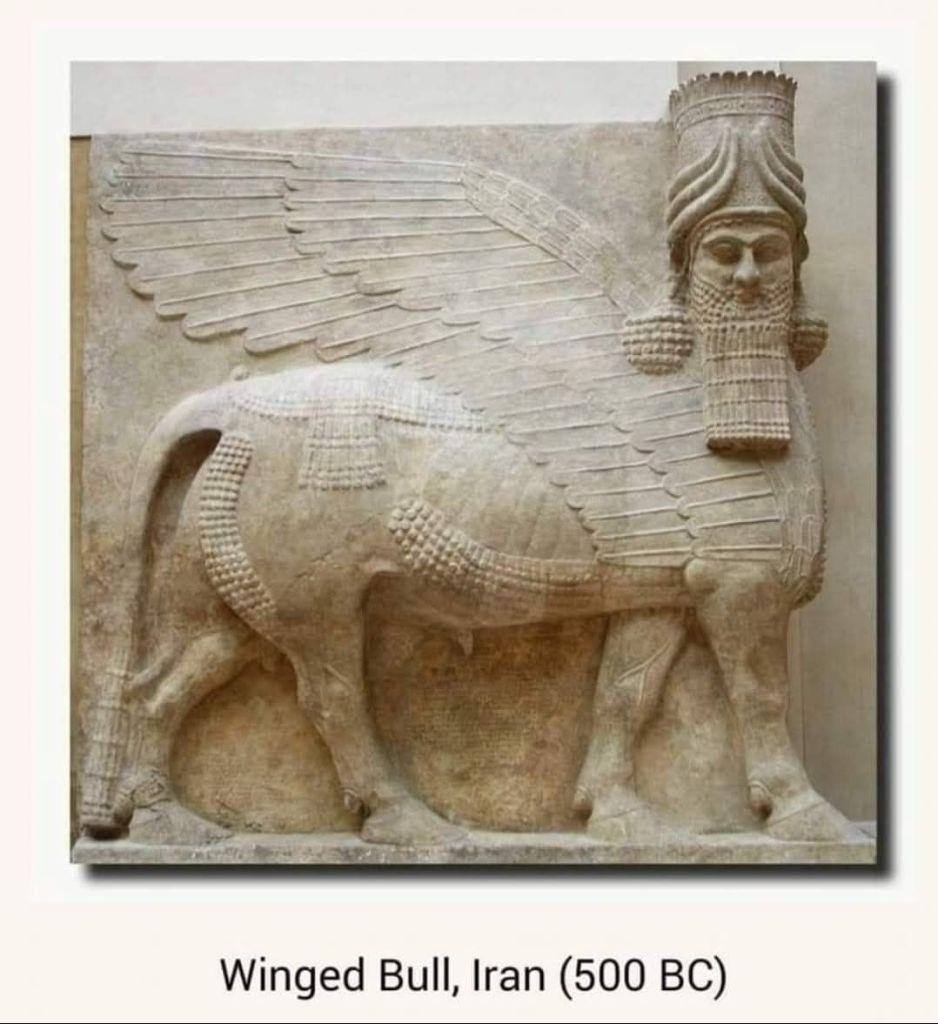
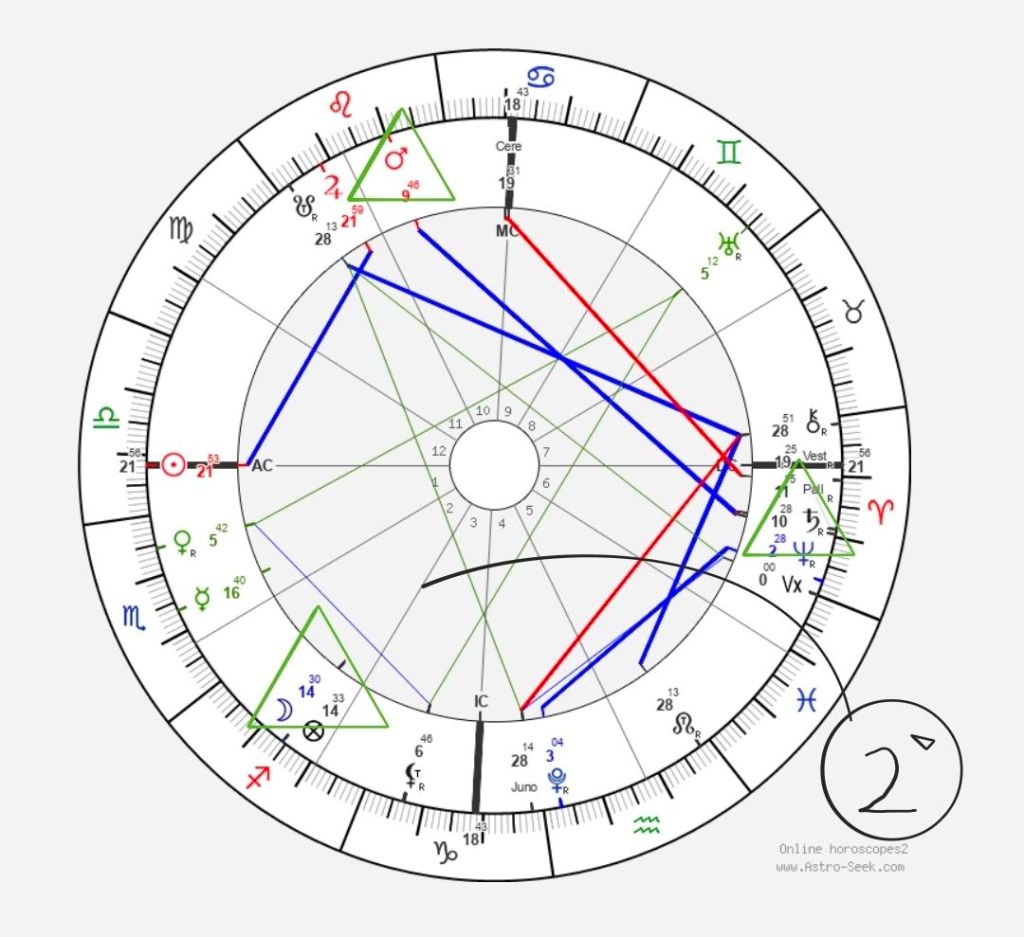
Winged Bull from 2500 years ago. Amazing ancient art of Iran.
Ali Mostofi
alimostofi.com - Moon in Aries or Farvardin فروردین ♈ – Ahuramazdan Ram
- Horoscope of the Declaration of Human Rights by Cyrus the Great هوروسکوپ اعلامیه حقوق بشر کوروش بزرگ
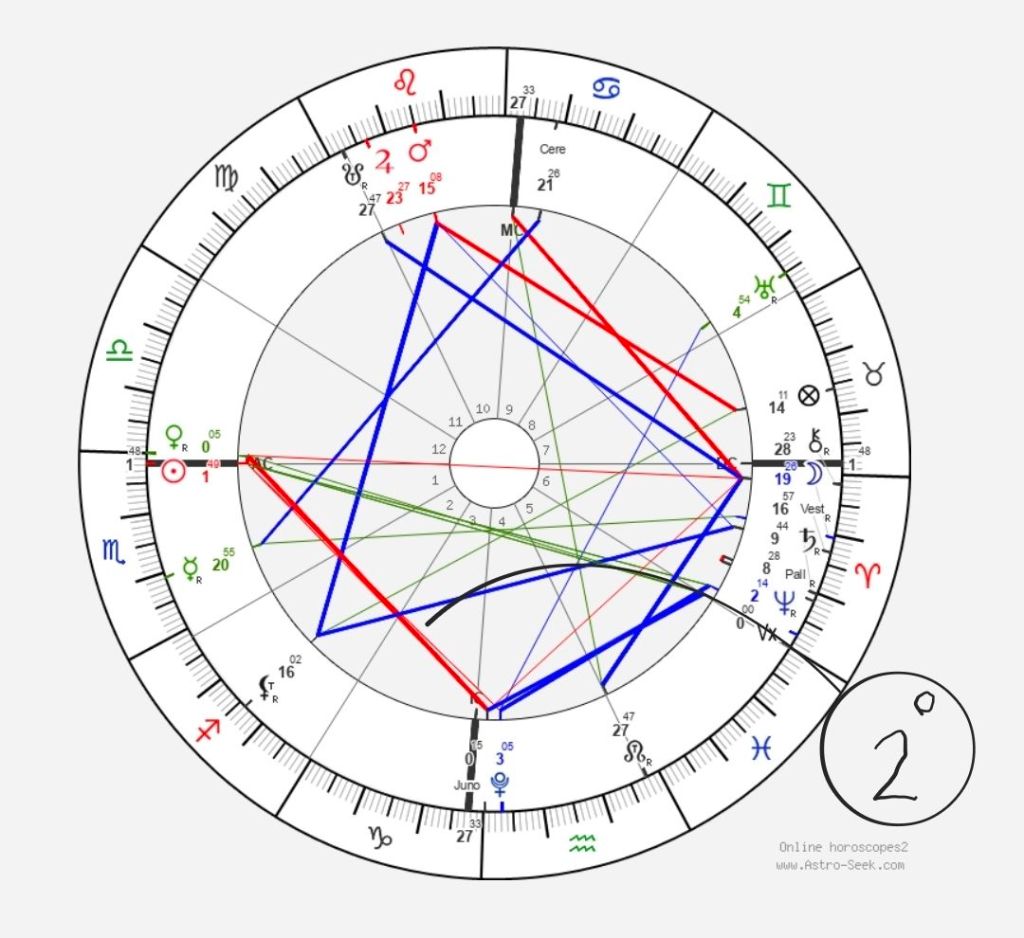
Horoscope of the Declaration of Human Rights by Cyrus the Great (539 BCE)
هوروسکوپ اعلامیه حقوق بشر توسط کوروش بزرگ (۵۳۹ پیش از میلاد)
Historical Background and Ephemeris Accuracy
The date of October 30, 539 BCE, marks the entry of Cyrus the Great into Babylon, formalized by the issuance of the Cyrus Cylinder—widely recognized as an early declaration of human rights, religious tolerance, and civil liberty. The precision of this foundational moment is preserved through ancient Babylonian astronomical diaries, historical king lists, and chronological synchronization with well-documented lunar and solar eclipse records.
Astrology operates on precise, verifiable astronomical mechanics. By utilizing advanced ephemeris calculations and tropical geocentric models, celestial coordinates can be retrocalculated or projected forward for any specific geographic coordinate and historical moment in time. The planetary positions are not arbitrary; they reflect the exact celestial geometry active at the moment of inception, establishing an immutable natal matrix for the state or charter. Secondary progression then advances this chart using the symbolic day-for-a-year key (where one day of planetary motion following birth equals one year of lived time), tracking the organic evolution of the charter over millennia. Similarly, current transits overlay active planetary movements against this historical framework to measure ongoing cyclical interactions.
Natal Chart (October 30, 539 BCE)

Tropical Geocentric House & Planet Placement Breakdown (Placidus System) – Natal Chart
1st House (8°12′ Capricorn)
– Mars (8°22′ Aquarius)
– Saturn (15°58′ Aquarius)2nd House (15°34′ Aquarius)
– Unoccupied
3rd House (24°21′ Pisces)
– Unoccupied
4th House / IC (24°09′ Aries)
– Jupiter (17°32′ Taurus)
5th House (18°19′ Taurus)
– Unoccupied
6th House (6°36′ Gemini)
– Pluto (24°41′ Gemini)
7th House / Descendant (8°12′ Cancer)
– Neptune (7°58′ Leo)
8th House (15°34′ Leo)
– Venus (12°44′ Virgo)
9th House (24°21′ Virgo)
– Sun (23°43′ Libra)
– Moon (0°07′ Libra)
– Mercury (5°03′ Libra)10th House / Midheaven (24°09′ Libra)
– Uranus (3°33′ Scorpio retrograde)
11th House (18°19′ Scorpio)
– South Node (27°00′ Scorpio)
12th House (6°36′ Sagittarius)
– Unoccupied
Progressed Chart (February 14, 531 BCE)

Tropical Geocentric House & Planet Placement Breakdown (Placidus System) – Progressed Chart
1st House / Ascendant (3°28′ Gemini)
– Sun (20°00′ Aquarius)
– Mars (9°52′ Aquarius)2nd House (28°30′ Gemini)
– Unoccupied
3rd House (21°21′ Cancer)
– Moon (7°44′ Cancer)
– Mercury (24°15′ Capricorn retrograde)
– Pluto (2°43′ Cancer retrograde)
– South Node (8°22′ Cancer retrograde)4th House / IC (20°00′ Leo)
– Neptune (22°11′ Leo retrograde)
5th House (16°27′ Leo)
– Unoccupied
6th House (24°02′ Virgo)
– Unoccupied
7th House / Descendant (3°28′ Sagittarius)
– Jupiter (24°42′ Sagittarius retrograde)
– Uranus (8°17′ Sagittarius retrograde)8th House (28°30′ Sagittarius)
– Unoccupied
9th House (21°21′ Capricorn)
– Unoccupied
10th House / Midheaven (20°00′ Aquarius)
– Saturn (24°05′ Taurus retrograde)
11th House (16°27′ Aquarius)
– Unoccupied
12th House (24°02′ Pisces)
– Venus (27°52′ Pisces)
Natal Aspects (539 BCE)
The natal aspects derived from the updated table placements capture the comprehensive network of relationships between faster and slower moving entities:
- Moon conjunct Mercury links emotional perception directly with cognitive processing.
- Moon square Saturn creates inner tension between fluctuating moods and structural discipline.
- Mercury sextile Mars provides sharp intellectual drive and tactical execution.
- Venus square Jupiter introduces creative friction between social values and material expansion.
- Venus trine Uranus bridges relational aesthetics with sudden innovative breakthroughs.
- Sun trine Pluto anchors the matrix with deep authority, transformative purpose, and destiny.
- Sun sextile Neptune dissolves rigid boundaries to inspire visionary idealism.
- Mars square Uranus sets up high electrical tension between assertive action and sudden disruption.
- Saturn square Pluto builds enduring structural pressure and deep systemic transformation.
Progressed Aspects (531 BCE)
Advanced using the secondary progression method, the evolved chart demonstrates a profound shift from the initial inception into broader developmental phases:
- Sun conjunct Moon marks an internal new cycle of conscious intention aligning seamlessly with emotional instincts.
- Mercury trine Jupiter broadens the intellectual horizon with philosophical wisdom and expansive thinking.
- Venus conjunct Mars fuses relational desire with assertive action.
- Uranus square Pluto introduces a sharp, tectonic shift of internal tension, driving revolutionary change and deep structural evolution.
Transit Chart to Natal Aspects (August 28, 2026 Lunar Eclipse Transit)
Overlaying the recent eclipse transit positions directly against the 539 BCE natal foundation brings forth the following active forces:
- Uranus square Pluto applies a modern, disruptive structural pressure directly onto ancient foundations.
- Mercury trine Uranus brings sudden, brilliant insights and rapid communications.
- Mars trine Saturn injects disciplined, highly focused endurance into current actions.
- Jupiter conjunct Venus showers the layout with harmonious social or financial expansion.
- Neptune trine Moon dissolves boundaries to elevate imagination and empathy.
- Sun conjunct Mercury focuses current conscious awareness sharply on communication.
- Uranus square Sun triggers sudden shifts in identity and expression.
- Saturn opposing Mars creates friction requiring careful calibration between drive and restriction.
Transit Chart to Progressed Aspects (August 28, 2026 Lunar Eclipse Transit)
Examining the interaction between ongoing eclipse transits and the evolved progress chart yields the following operational environments:
- Uranus trine Neptune bridges sudden awakenings with spiritual or visionary idealism.
- Moon trine Pluto deepens emotional resilience and transformative perception.
- Sun square Venus introduces a creative tension around values and social alignments.
- Mercury conjunct Sun centers current thought squarely on core identity and expression.
- Mars conjunct Jupiter drives bold, expansive action and enterprise.
- Saturn trine Uranus stabilizes innovative changes with long-term structure.
- Neptune square Moon stirs deep emotional sensitivities and dreamlike introspection.
Summary
The astrological layout reveals a profound symbolic resonance with the principles of human rights, sovereignty, and liberation embodied in the Cyrus Cylinder of 539 BCE. At the natal foundation, the Sun trine Pluto anchors an archetypal theme of empowerment and protection of human dignity. In evolution, the progressed chart transitions from structural establishment to dynamic internal awakening. Today, the heavy transits acting upon both the natal and progressed points create a powerful historical activation for Iran, reflecting a critical juncture where ancient foundations of liberty face modern pressures and the urgent demand for civil emancipation.
زمینه تاریخی و دقت نجومسنجی
تاریخ ۳۰ اکتبر ۵۳۹ پیش از میلاد، ورود کوروش بزرگ به بابل را نشان میدهد که با صدور استوانه کوروش رسمیت یافت؛ استوانهای که بهطور گستردهای به عنوان نخستین اعلامیه حقوق بشر، تساهل مذهبی و آزادی مدنی شناخته میشود. دقت این لحظه اساسی از طریق تقویمهای نجومی باستانی بابلی، فهرست پادشاهان تاریخی و هماهنگسازی تقویمی با سوابق ثبتشده و دقیق ماهگرفتگی و خورشیدگرفتگی حفظ شده است.
طالعبینی بر اساس مکانیک دقیق و قابل اثبات نجومی کار میکند. با استفاده از محاسبات پیشرفته نجومی و مدلهای زمینمرکزی استوایی (تروپیکال)، مختصات آسمانی را میتوان برای هر مختصات جغرافیایی و لحظه تاریخی خاصی در زمان به عقب محاسبه کرد یا به جلو پیشبینی نمود. موقعیت سیارات اختیاری نیست؛ بلکه هندسه دقیق آسمانی فعال در لحظه تأسیس را بازتاب میدهد و یک ماتریس زادروزی (ناتال) تغییرناپذیر برای دولت یا منشور ایجاد میکند. پیشرفت ثانویه، سپس این نمودار را با استفاده از کلید نمادین روز برای یک سال پیش میبرد و تکامل ارگانیک منشور را در طول هزارهها ردیابی میکند. به همین ترتیب، ترانزیتهای فعلی، حرکات فعال سیارهای را روی این چارچوب تاریخی قرار میدهند تا تعاملات چرخه جاری را اندازهگیری کنند.
نمودار زادروزی – Natal Chart (۳۰ اکتبر ۵۳۹ پیش از میلاد)
نمودار پیشرفته – Progressed Chart (۱۴ فبریه ۵۳۱ پیش از میلاد)
جنبههای زادروزی (۵۳۹ پیش از میلاد)
جنبههای زادروزی استخراجشده از جدول بهروزرسانیشده، شبکه جامع روابط میان اجرام سریعالسیر و کندالسیر را به تصویر میکشند:
- پیوند ماه و عطارد، ادراک عاطفی را مستقیماً با پردازش شناختی پیوند میدهد.
- تربع ماه و زحل، تنش درونی میان نوسانات خلقی و انضباط ساختاری ایجاد میکند.
- تسدیس عطارد و مریخ، انگیزه فکری تیز و اجرای تاکتیکی را فراهم میکند.
- تربع زهره و مشتری، اصطکاک خلاقانهای میان ارزشهای اجتماعی و توسعه مادی ایجاد میکند.
- تثلیث زهره و اورانوس، زیباییشناسی ارتباطی را با پیشرفتهای نوآورانه ناگهانی پیوند میدهد.
- تثلیث خورشید و پلوتو، ماتریس را با اقتدار عمیق، هدف تحولآفرین و سرنوشت لنگر میاندازد.
- تسدیس خورشید و نپتون مرزهای خشک را محو میکند تا ایدهآلیسم رویایی را الهام بخشد.
- تربع مریخ و اورانوس تنش الکتریکی بالایی میان اقدام قاطع و اختلال ناگهانی ایجاد میکند.
- تربع زحل و پلوتو فشار ساختاری پایدار و تحول عمیق سیستمی را میسازد.
جنبههای پیشرفته (۵۳۱ پیش از میلاد)
این نمودار پیشرفته که با استفاده از روش پیشرفت ثانویه توسعه یافته است، گذاری عمیق از آغاز دیپلماتیک اولیه به مراحل توسعهیافتهتر عمیقتر را نشان میدهد:
- پیوند خورشید و ماه، چرخه جدیدی از نیت آگاهانه را که با غریزههای عاطفی هماهنگ است، نشان میدهد.
- تثلیث عطارد و مشتری، افق فکری را با خرد فلسفی و تفکر گسترده وسیعتر میکند.
- پیوند زهره و مریخ، میل رابطه را با عمل قاطعانه ترکیب میکند.
- مربع اورانوس و پلوتو، تنش داخلی شدیدی را معرفی میکند که تغییر انقلابی و تکامل ساختاری عمیق را پیش میبرد.
پویاییهای ترانزیت به جنبههای زادروزی (ترانزیت ماهگرفتگی ۲۸ اوت ۲۰۲۶)
تطبیق موقعیتهای ترانزیت ماهگرفتگی اخیر مستقیماً در برابر پایه زادروزی ۵۳۹ پیش از میلاد، نیروهای فعال زیر را به همراه دارد:
- مربع اورانوس و پلوتو فشار ساختاری مخرب مدرنی را مستقیماً بر روی پایههای باستانی اعمال میکند.
- تثلیث عطارد و اورانوس بینشهای ناگهانی و درخشان و ارتباطات سریع به همراه دارد.
- تثلیث مریخ و زحل استقامت انضباطی و بسیار متمرکز را به اقدامات فعلی تزریق میکند.
- پیوند مشتری و زهره طرحبندی را با انبساط هماهنگ اجتماعی یا مالی روشن میسازد.
- تثلیث نپتون و ماه مرزها را محو میکند تا تخیل و همدلی را ارتقا دهد.
- پیوند خورشید و مریخ آگاهی آگاهانه فعلی را بهشدت بر ارتباطات متمرکز میکند.
- مربع اورانوس و خورشید تغییرات ناگهانی در هویت و بیان ایجاد میکند.
- تقابل زحل و مریخ اصطکاکی ایجاد میکند که مستلزم کالیبراسیون دقیق میان رانش و محدودیت است.
پویاییهای ترانزیت به جنبههای پیشرفته (ترانزیت ماهگرفتگی ۲۸ اوت ۲۰۲۶)
بررسی تعامل میان ترانزیتهای جاری ماهگرفتگی و نمودار پیشرفته، محیطهای عملیاتی زیر را به دست میدهد:
- تثلیث اورانوس و نپتون بیداریهای ناگهانی را با ایدهآلیسم معنوی یا رویایی پیوند میدهد.
- تثلیث ماه و پلوتو انعطافپذیری عاطفی و درک تحولآفرین را عمیقتر میکند.
- مربع خورشید و زهره تنش خلاقانهای پیرامون ارزشها و همسوییهای اجتماعی ایجاد میکند.
- پیوند عطارد و خورشید تفکر فعلی را مستقیماً بر روی هویت و بیان اصلی متمرکز میکند.
- پیوند مریخ و مشتری اقدام و پویایی گسترده و دلیرانهای را هدایت میکند.
- تثلیث زحل و اورانوس تغییرات نوآورانه را با ساختار بلندمدت تثبیت میکند.
- مربع نپتون و ماه حساسیتهای عاطفی عمیق و دروننگری رؤیاگونه را برمیانگیزد.
خلاصه
طرح طالعبینی بازتاب نمادین عمیقی از اصول حقوق بشر، حاکمیت و رهایی تجسمیافته در استوانه کوروش در سال ۵۳۹ پیش از میلاد را آشکار میکند. در پایه زادروزی، تثلیث خورشید و پلوتو تم کهنالگویی توانمندسازی و حفاظت از کرامت انسانی را لنگر میاندازد. در تکامل، نمودار پیشرفته از تأسیس ساختاری به بیداری درونی پویا منتقل میشود. امروز، ترانزیتهای سنگین که هم بر نقاط زادروزی و هم پیشرفته تأثیر میگذارند، فعالسازی تاریخی قدرتمندی را برای ایران ایجاد میکنند که بازتابدهنده نقطهعطفی بحرانی است که در آن پایههای باستانی آزادی با فشارهای مدرن و مطالبه فوری رهایی مدنی روبهرو میشود.
#Iran
#ایران
- Moon in Pisces or اسفند ♓ – Ahuramazdan Spirit
Moon in Pisces or اسفند ♓ – Ahuramazdan Spirit
Ali Mostofi
alimostofi.com


- Moon in Aquarius or Batman بهمن ♒ – Ahuramazdan Science


Moon in Aquarius or Batman بهمن ♒ – Ahuramazdan Science
Ali Mostofi
alimostofi.com - The Math Is Bigger Than the Matter: A Brief Guide to the Big Number ریاضیات بزرگتر از ماده است
The Math Is Bigger Than the Matter: A Brief Guide to the Big Number
ریاضیات بزرگتر از ماده است
There are roughly 10^80 atoms in the entire observable universe—a number so vast it completely defies human imagination.
Yet, when you look at the basic mathematics of factorials applied to a 22-entity matrix, that number is easily surpassed. By measuring the precise angles made by planets and other celestial entities across continuous coordinates, the combinatorial mathematics produces a total that is so incomprehensibly massive we don’t even have enough space or matter in the universe to write down all its digits.
The arithmetic is simple, but the conclusion is profound: the math of the cosmos is literally bigger than the matter inside it. Because the structural permutations outpace the physical universe itself, repetition is mathematically impossible. Energy transforms across an eternal, non-repeating cycle, proving that geometry and combinatorial physics run the show—no theological hand-waving required.
ریاضیات بزرگتر از ماده است
در کل جهان قابل مشاهده حدود 10^{80} اتم وجود دارد؛ عددی که تصور آن دشوار است. اما وقتی ریاضیات ترکیبی پایهای را روی ماتریس ۲۲-عنصری اعمال میکنیم، این عدد به راحتی پشت سر گذاشته میشود.
محاسبه زوایای دقیق میان سیارات در مختصات پیوسته، ترکیبی را تولید میکند که چنان عظیم است که حتی به اندازه کافی ماده در جهان برای نوشتن ارقام آن وجود ندارد. نتیجه عمیق است: ریاضیات کیهان بهطور تحتاللفظی بزرگتر از ماده درون آن است.
از آنجا که جایگشتهای ساختاری از جهان فیزیکی پیشی میگیرند، تکرار از نظر ریاضی غیرممکن است. انرژی در چرخهای جاودانه جریان دارد و ثابت میکند که هندسه و فیزیک ترکیبی هدایتگر همهچیز هستند.A note for the reductionists at CERN: While particle physics is still trying to wrangle 4 dimensions and 18 free parameters in the Standard Model, the macro-geometric matrix bypasses the particle hunt entirely. The combinatorial geometry of the 22-entity framework provides the complete, self-contained architecture they’re looking for—proving that the answers are in the macro-geometry, not the subatomic dust.
یک یادداشت برای تقلیلگرایان در سرن: در حالی که فیزیک ذرات همچنان تلاش میکند با ۴ بعد و ۱۸ پارامتر آزاد در مدل استاندارد دستوپنجه نرم کند، ماتریس کلانهندسی کل ماجراجویی شکار ذره را دور میزند. هندسه ترکیبی چارچوب ۲۲-عنصری، ساختار کامل و خودمتکایی را که به دنبال آن هستند فراهم میکند—و ثابت میکند که پاسخها در کلانهندسه قرار دارند، نه در غبار زیراتمی.
- Moon in Capricorn or Day دی ♑ – Ahuramazdan Nobility


Moon in Capricorn or Day دی ♑ – Ahuramazdan Nobility
The Noble Women of Persia.
Powerful women of Persia never received historical recognition they deserve due to passage of time and accidents of history.
Please visit this link.
https://www.persepolis.nu/queens.htm
Ali Mostofi
alimostofi.com - Astrology as Macro-Science استرولوژی یک علم کلان است
Astrology is often misunderstood as merely labels, but it is fundamentally a macro-science. Just as micro-science (chemistry) analyzes the precise angular bonds between atoms to determine the structure of matter, astrology analyzes the precise angular relationships (aspects) between massive celestial bodies to understand the structure of time and events. Planets are the “atoms” of the solar system, and their geometry creates a macro-cosmic lattice of influence. This is a scientific, geometric view of the universe.
ahuramazdanastrology.com
alimostofi.com
نجوم (آسترولوژی) اغلب به اشتباه صرفاً به عنوان مجموعهای از برچسبها شناخته میشود، اما در واقع یک علم کلان (ماکرو-ساینس) است. همانطور که علم خرد (شیمی) پیوندهای دقیق زاویهای میان اتمها را برای تعیین ساختار ماده تحلیل میکند، نجوم نیز روابط دقیق زاویهای (جنبهها) میان اجرام عظیم آسمانی را برای درک ساختار زمان و رویدادها تحلیل مینماید. سیارات “اتمهای” منظومه شمسی هستند و هندسه آنها شبکهای کلان-کیهانی از تأثیرات را ایجاد میکند. این یک دیدگاه علمی و هندسی به جهان است.
ahuramazdanastrology.com
alimostofi.com - Moon in Sagittarius or Azar آذر ♐ – Horse and Archer

The Horse and the Lion in Achaemenid Persia and Assyria (860 BC). 


Moon in Sagittarius or Azar آذر ♐ – Horse and Archer
The Horse and the Lion in Achaemenid Persia and Assyria (860 BC).
Ali Mostofi
alimostofi.com - Moon in Scorpio or Aban آبان ♏ – Ahuramazdan Rebirth


Moon in Scorpio or Aban آبان ♏ – Ahuramazdan Rebirth
The soldiers of ancient Persia or Iran, 2500 years ago, believed in living forever. They were called The Immortals. They live within all Iranians today.
Ali Mostofi
alimostofi.com - Moon in Libra or Mehr مهر ♎ – Ahuramazdan Diplomacy

Iran, 2500 years ago. Persepolis’s Palace of Nations, was the equivalent of United Nations. It’s entrances were protected by Bull-headed guards. 


Moon in Libra or Mehr مهر ♎ – Ahuramazdan Diplomacy
Iran, 2500 years ago. Persepolis’s Palace of Nations, was the equivalent of United Nations. It’s entrances were protected by Bull-headed guards.
Ali Mostofi
alimostofi.com - Moon in Virgo or Shahrivar شهریور ♍ – Ahuramazdan Science

2500 year old cold storage designed by Iranian scientists. 


Moon in Virgo or Shahrivar شهریور ♍ – Ahuramazdan Science
2500 year old cold storage designed by Iranian scientists. Conical design separates hot air above the cooler air below. Iranians understood Ameshasepanta or The First Law of Thermodynamics. They worshipped the flow of energy. The term “uncreated creator” means that energy is neither created or destroyed.
Ali Mostofi
alimostofi.com - Moon in Leo or Amordad امرداد ♌ – Ahuramazdan Gold

Iran, 2500 years ago. This remarkable gold fluted bowl, was made by an Iranian 2500 years ago. The quality of workmanship is exceptional. 


Moon in Leo or Amordad امرداد ♌ – Ahuramazdan Gold
Solar Eclipse at 17:36 GMT 12/8/2026.
Iran, 2500 years ago. This remarkable gold fluted bowl, was made by an Iranian 2500 years ago. The quality of workmanship is exceptional.
Ali Mostofi
alimostofi.com - Moon in Cancer or Tir تیر ♋ – Ahuramazdan Moon

Iran 5000 years ago. The engravings on the container he is holding has lunar cycle patterns. 


Moon in Cancer or Tir تیر ♋ – Ahuramazdan Moon
Iran 5000 years ago. The engravings on the container he is holding has lunar cycle patterns.
Ali Mostofi
alimostofi.com - Moon in Gemini or Khordad خرداد ♊ – Ahuramazdan Reasoning
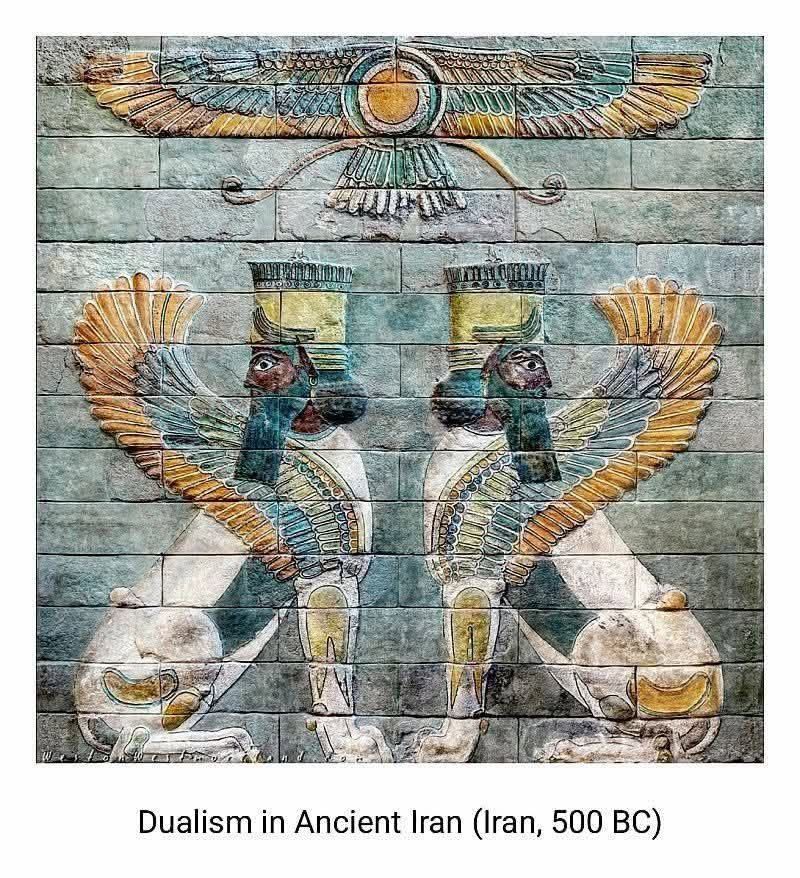
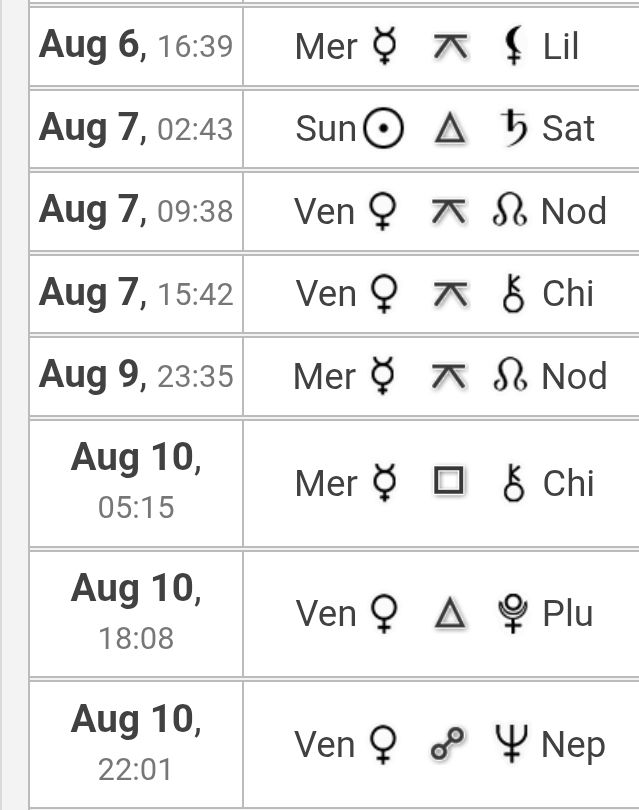
Ancient 3000 year Iranian philosophy, is based on looking at both sides of each Good Thought, then Good Word, that becomes a Good Deed.
در ایران باستان ایرانیان میخواستند یک منظور را مادام العمر در تاریخ بشریت بماند. همیشه بایست دو ور موضوع را تحلیل کرد و به پندار نیک رسید و بعد با صحبت کردن به گفتار نیک موافقت بشود که بتوانید با کردار نیک بهشت را روی سرزمین ایران به وجود بیارید.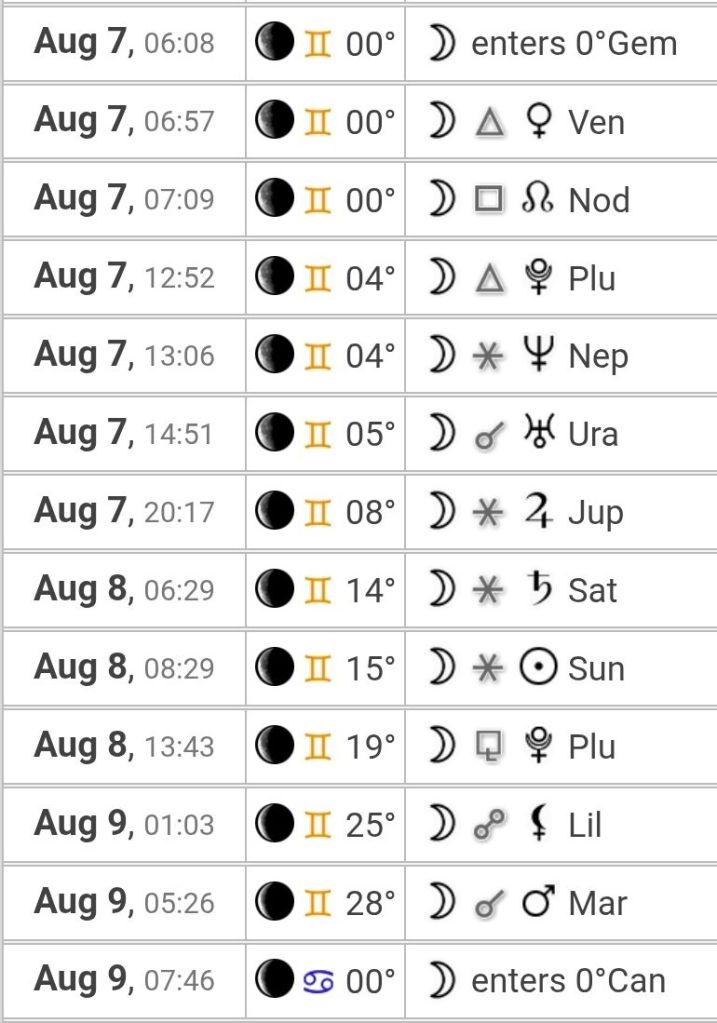
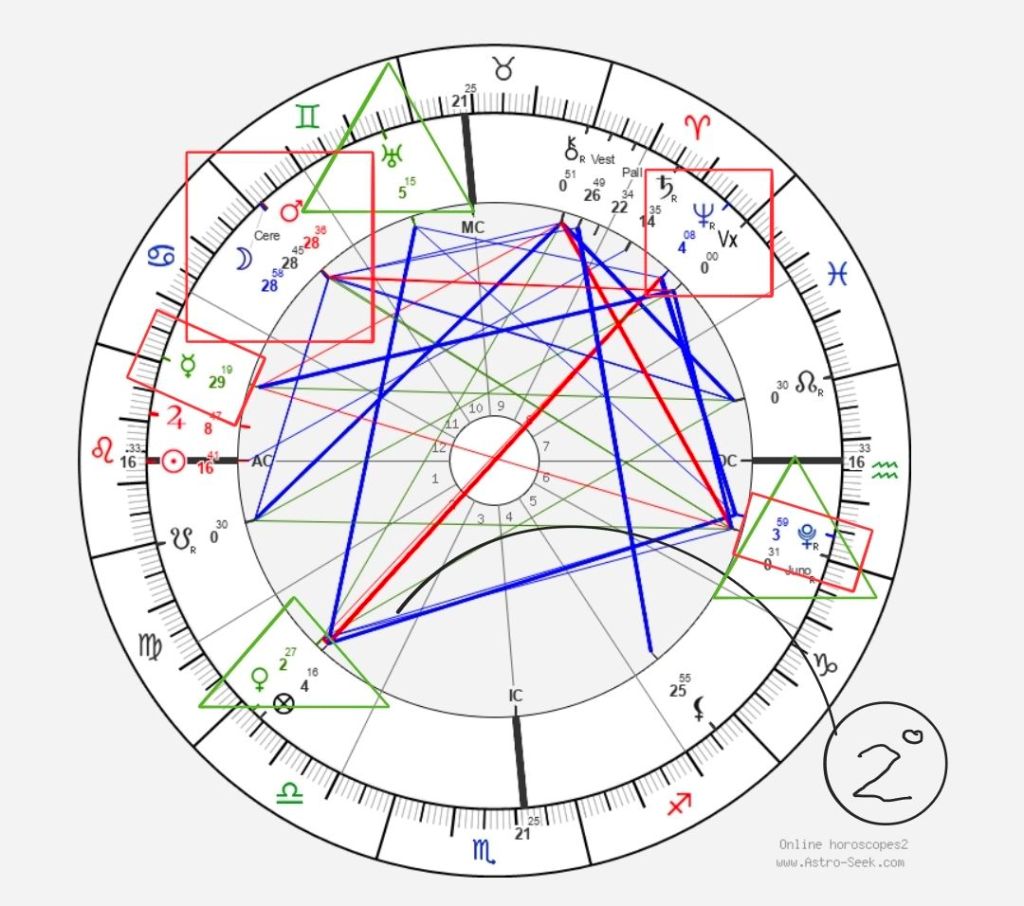
Moon in Gemini or Khordad خرداد ♊ – Ahuramazdan Reasoning
Ancient 3000 year Iranian philosophy, is based on looking at both sides of each Good Thought, then Good Word, that becomes a Good Deed.
در ایران باستان ایرانیان میخواستند یک منظور را مادام العمر در تاریخ بشریت بماند. همیشه بایست دو ور موضوع را تحلیل کرد و به پندار نیک رسید و بعد با صحبت کردن به گفتار نیک موافقت بشود که بتوانید با کردار نیک بهشت را روی سرزمین ایران به وجود بیارید.
Facebook
facebook.com/IranAstrology
Ahuramazdan
ahuramazdanastrology.wordpress.com
Ali Mostofi @YouTube
youtube.com/@alimostofi
#ahuramazda
#iran
#astrology
#alimostofi
#اهورامزدا
#ایران
#نجوم
#علی_مستوفی - Moon in Taurus or Ordibehesht اردیبهشت ♉ – Ahuramazdan Bull
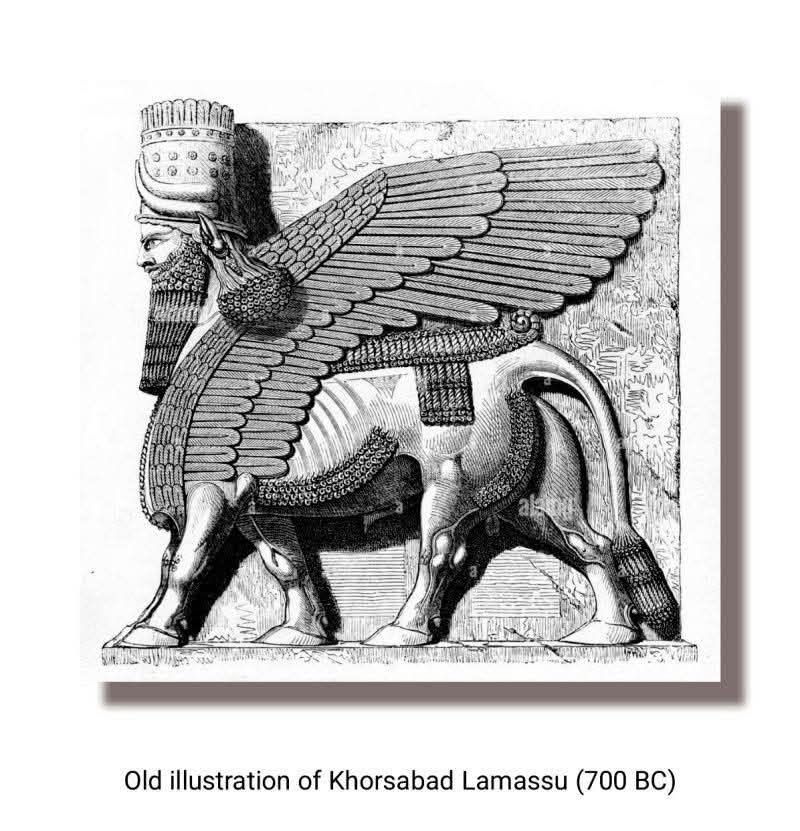
Lamassu, Iran 2700 years ago. A Lamassu is a hybrid monster with the bearded head of a mature mane, crown of a god, and the winged body of either a bull or lion. 

Moon in Taurus or Ordibehesht اردیبهشت ♉ – Ahuramazdan Bull
Lamassu, Iran 2700 years ago. A Lamassu is a hybrid monster with the bearded head of a mature mane, crown of a god, and the winged body of either a bull or lion.
Facebook
facebook.com/IranAstrology
Ahuramazdan
ahuramazdanastrology.wordpress.com
Ali Mostofi @YouTube
youtube.com/@alimostofi
#ahuramazda
#iran
#astrology
#alimostofi
#اهورامزدا
#ایران
#نجوم
#علی_مستوفی - Moon in Aries or Farvardin فروردین ♈ – Ahuramazdan Personality
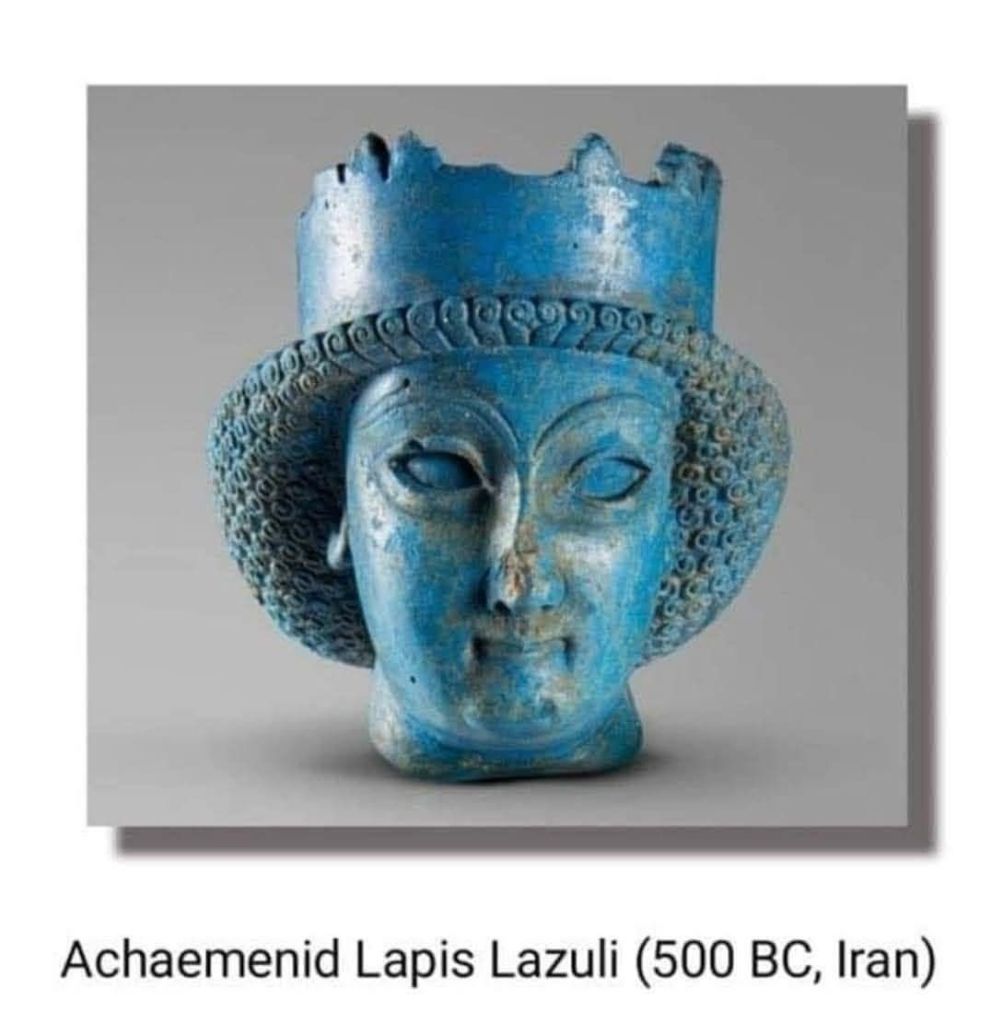
Empress Atossa of ancient Iran, 2500 years ago, was the daughter of Cyrus the Great. She married Darius the Great. 


Moon in Aries or Farvardin فروردین ♈ – Ahuramazdan Personality
Empress Atossa of ancient Iran, 2500 years ago, was the daughter of Cyrus the Great. She married Darius the Great. Together, they initiated significant reforms and established global standards, notably introducing a new cuneiform language and building royal roads. These connected the four corners of the empire, spanning from China to Africa, and Europe to India, establishing Iran as a pivotal crossroads of civilizations. Human rights were respected, and countries lived peacefully according to their own traditions.
Facebook
facebook.com/IranAstrology
Ahuramazdan
ahuramazdanastrology.wordpress.com
Ali Mostofi @YouTube
youtube.com/@alimostofi
#ahuramazda
#iran
#astrology
#alimostofi
#اهورامزدا
#ایران
#نجوم
#علی_مستوفی - Moon in Pisces or Esfand اسفند ♓ – Ahuramazdan Fish
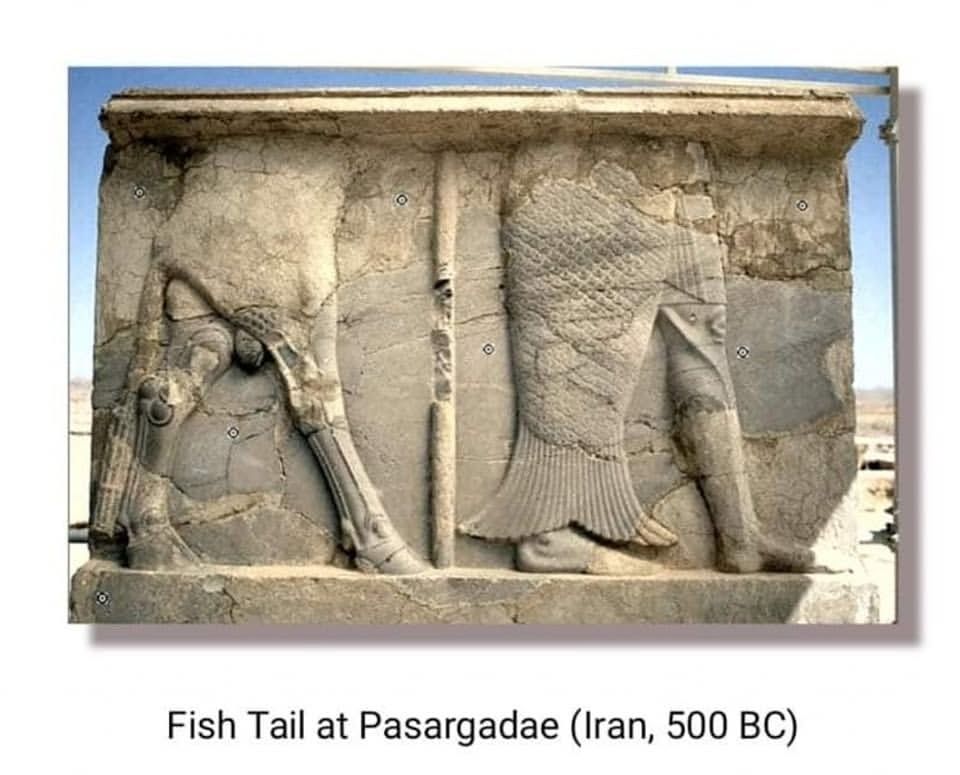
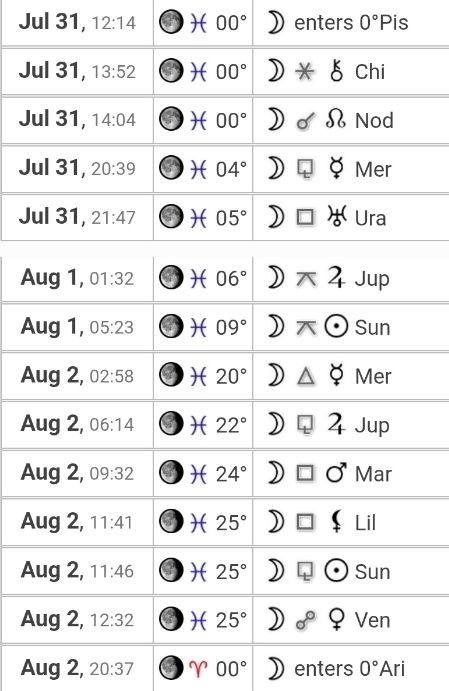
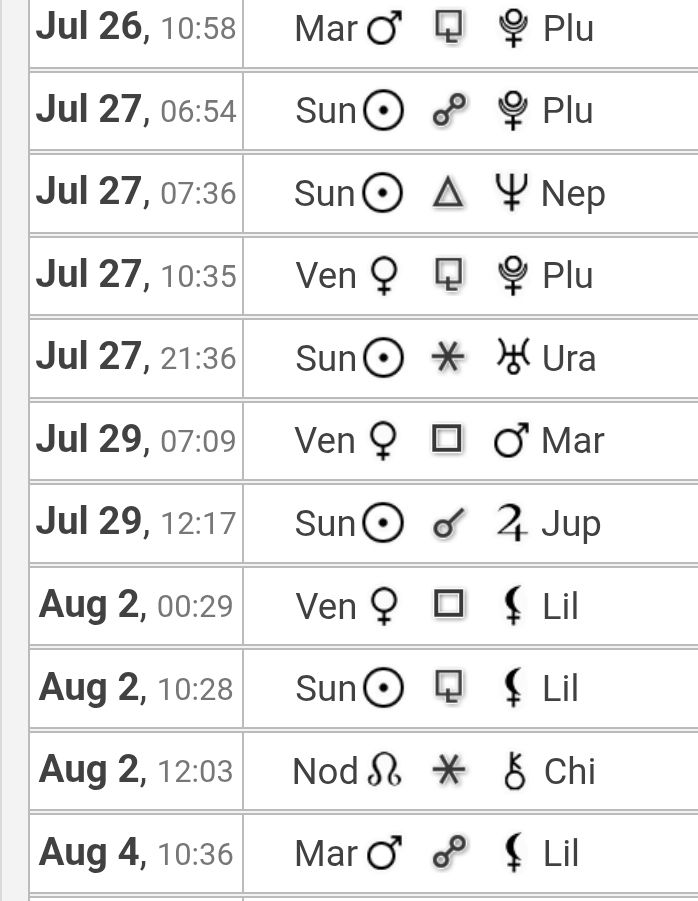
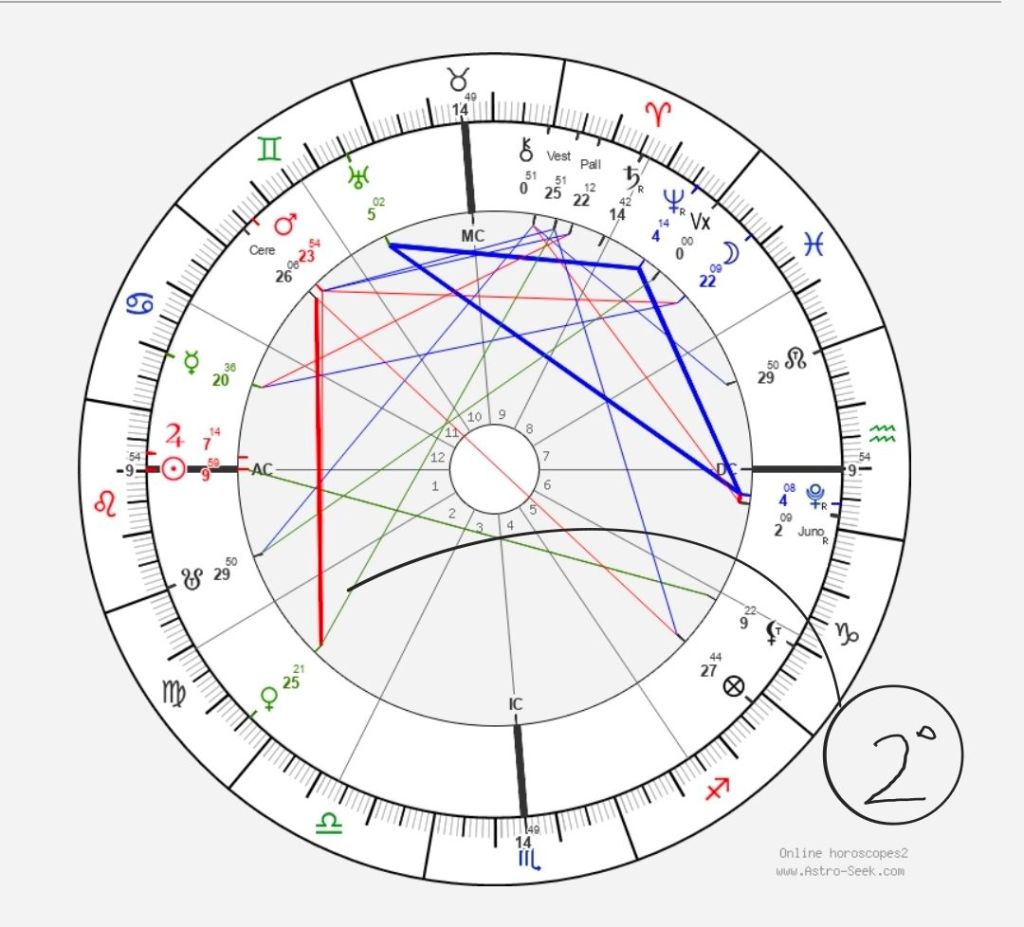
Moon in Pisces or Esfand اسفند ♓ – Ahuramazdan Fish
Ahuramazdan Fish Tail at Pasargadae
Facebook
facebook.com/IranAstrology
Ahuramazdan
ahuramazdanastrology.wordpress.com
Ali Mostofi @YouTube
youtube.com/@alimostofi
#ahuramazda
#iran
#astrology
#alimostofi
#اهورامزدا
#ایران
#نجوم
#علی_مستوفی - Moon in Aquarius or Bahman بهمن ♒ – Ahuramazdan Confederation
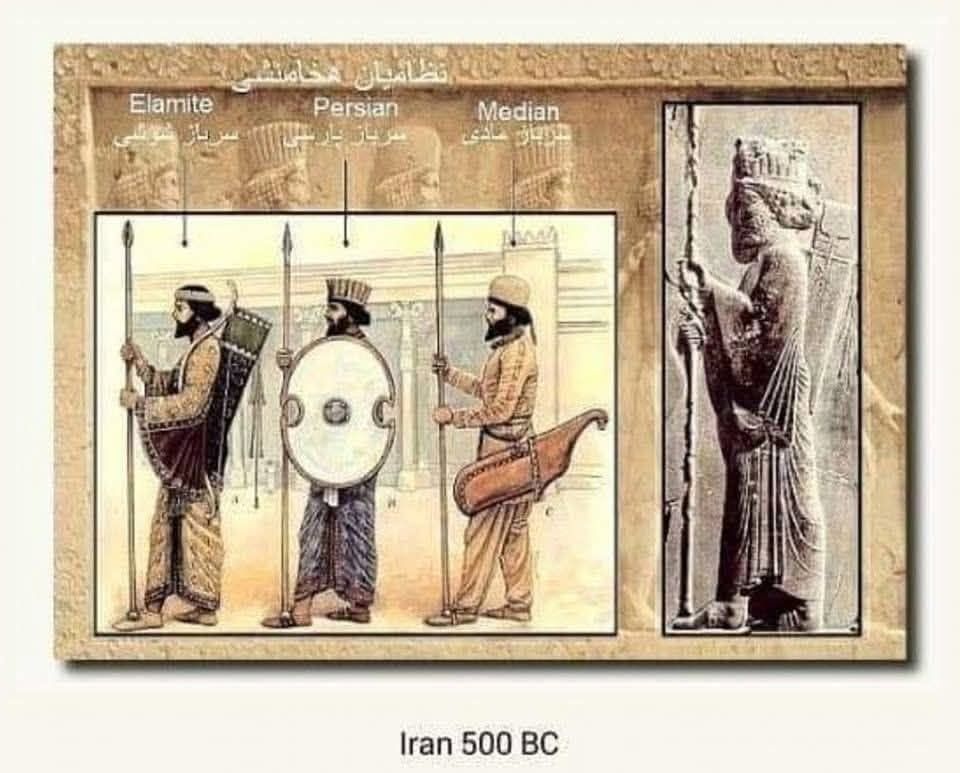
Iran, 2500 years ago. Iran consisted of three main regions, each having a number of many other tribes, as the oldest form of confederation. For example Ilam or the Elamites means many tribes, as the word ایل (pronounced il) means a single tribe. 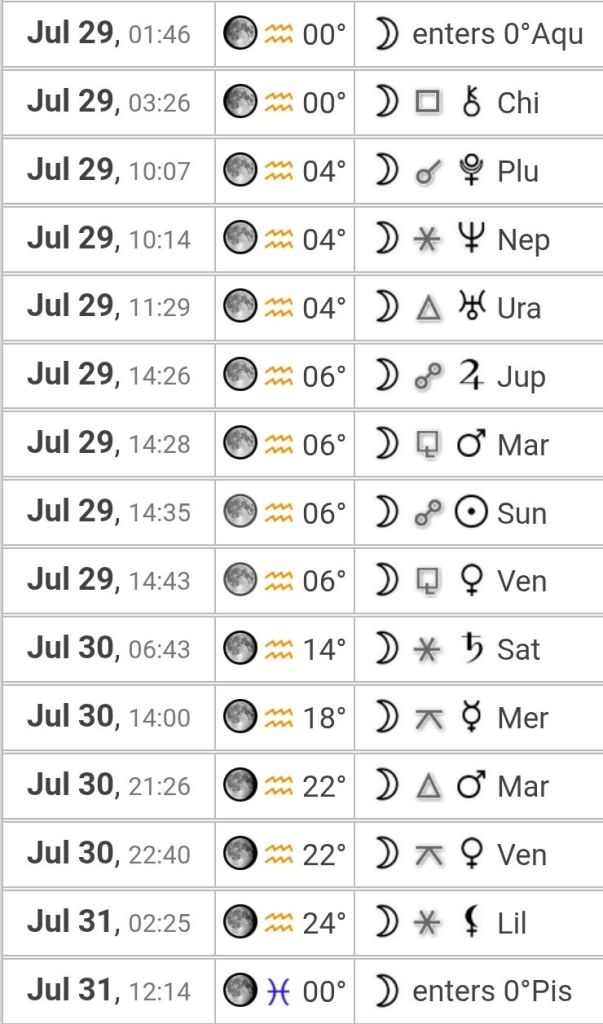
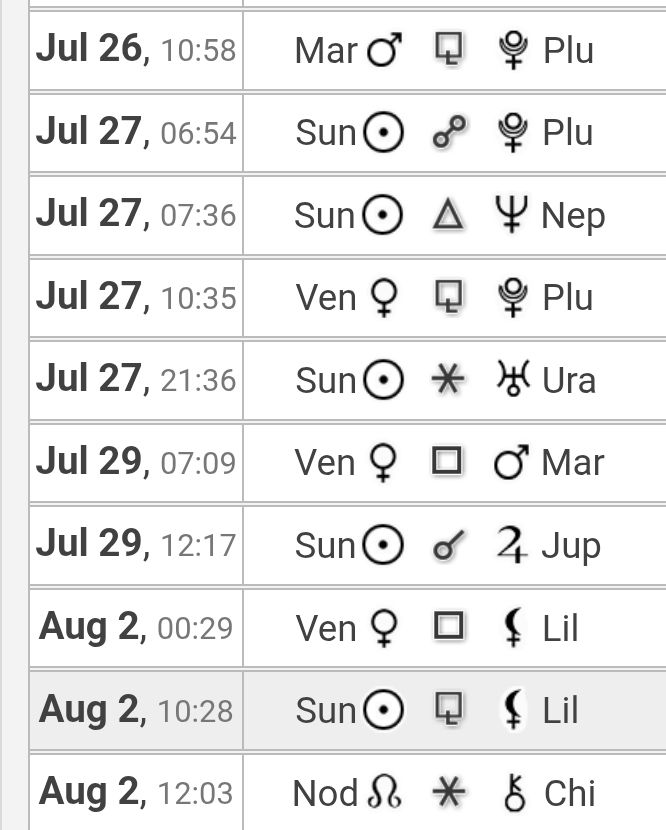
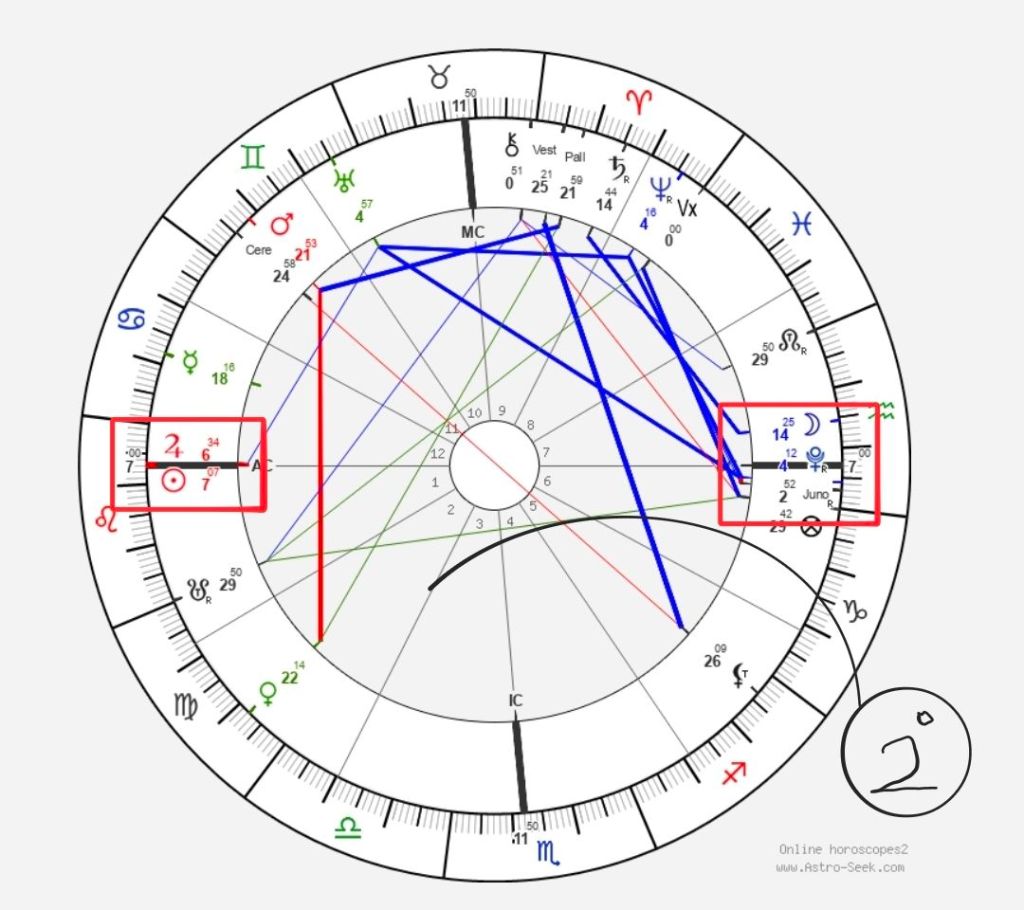
Moon in Aquarius or Bahman بهمن ♒ – Ahuramazdan Confederation
Iran, 2500 years ago. Iran consisted of three main regions, each having a number of many other tribes, as the oldest form of confederation. For example Ilam or the Elamites means many tribes, as the word ایل (pronounced il) means a single tribe.
Facebook
facebook.com/IranAstrology
Ahuramazdan
ahuramazdanastrology.wordpress.com
Ali Mostofi @YouTube
youtube.com/@alimostofi
#ahuramazda
#iran
#astrology
#alimostofi
#اهورامزدا
#ایران
#نجوم
#علی_مستوفی - Moon in Capricorn or Day دی ♑ – Ahuramazdan Authority
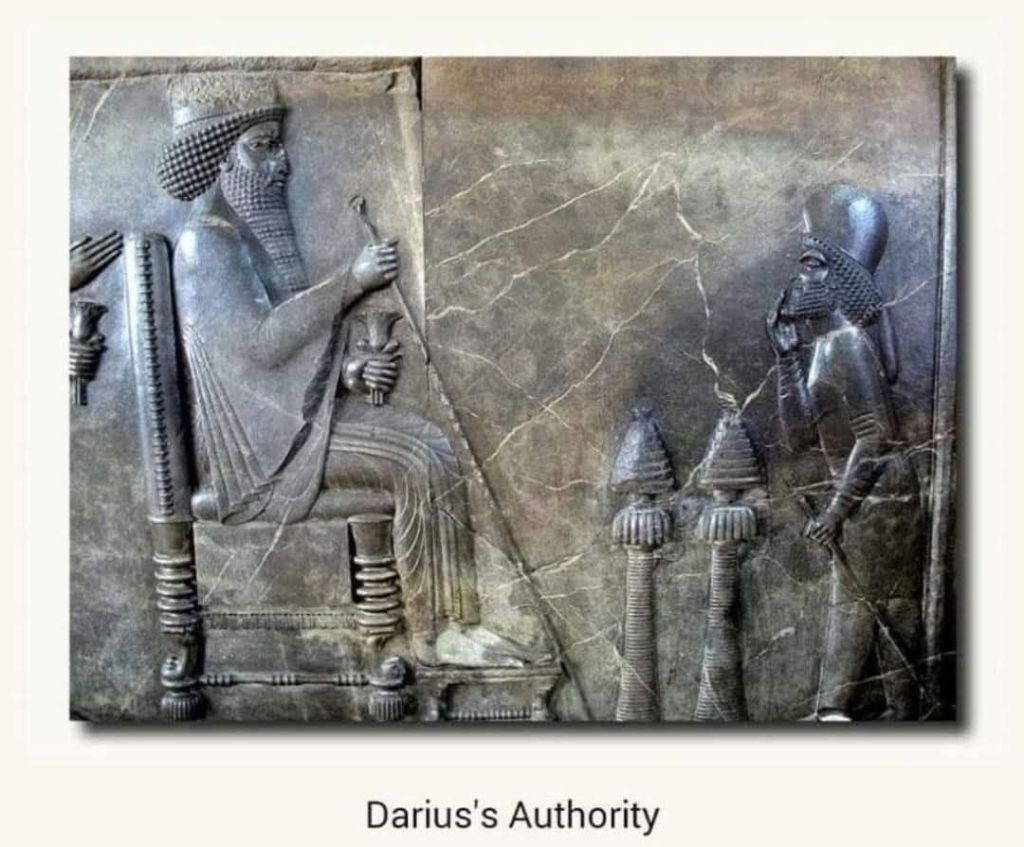
World’s first empire 2500 years ago in Iran, was based on respect for authority, not fear, to keep the peace with human rights. Human rights was born in Iran. 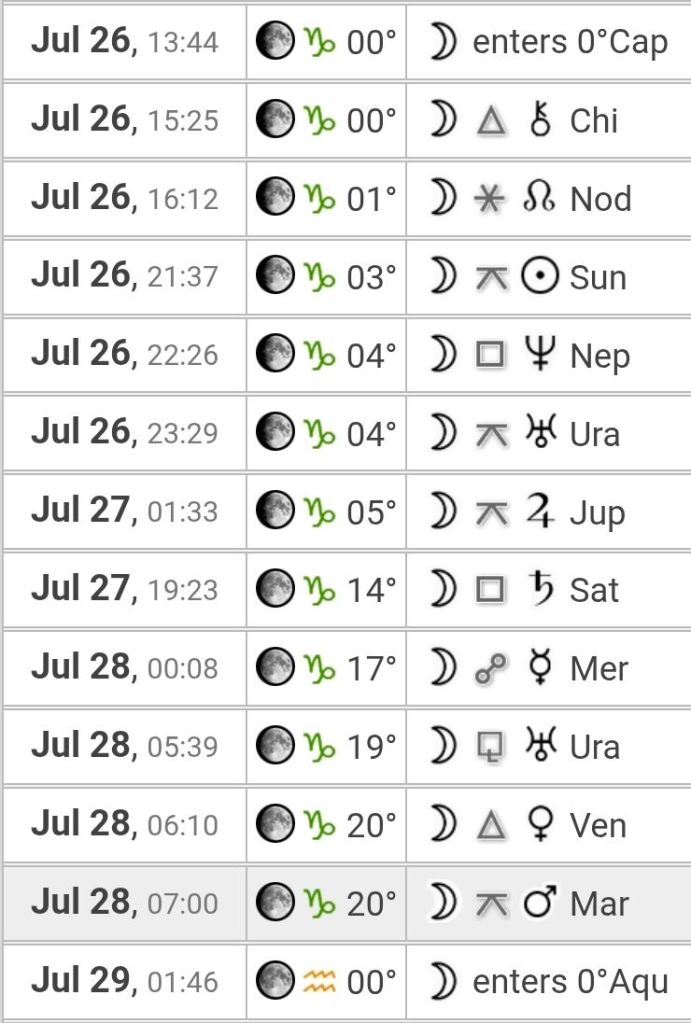
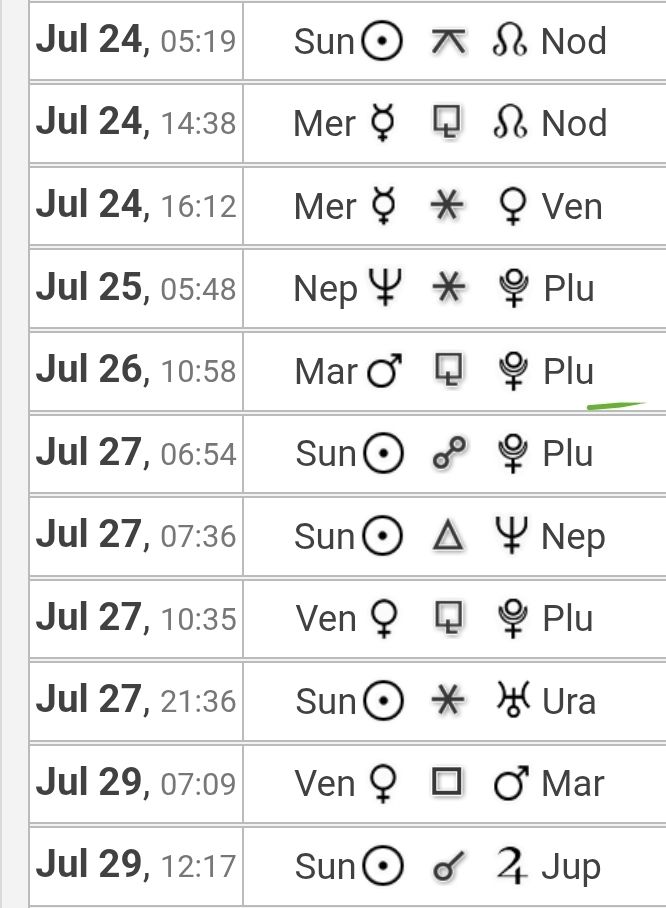
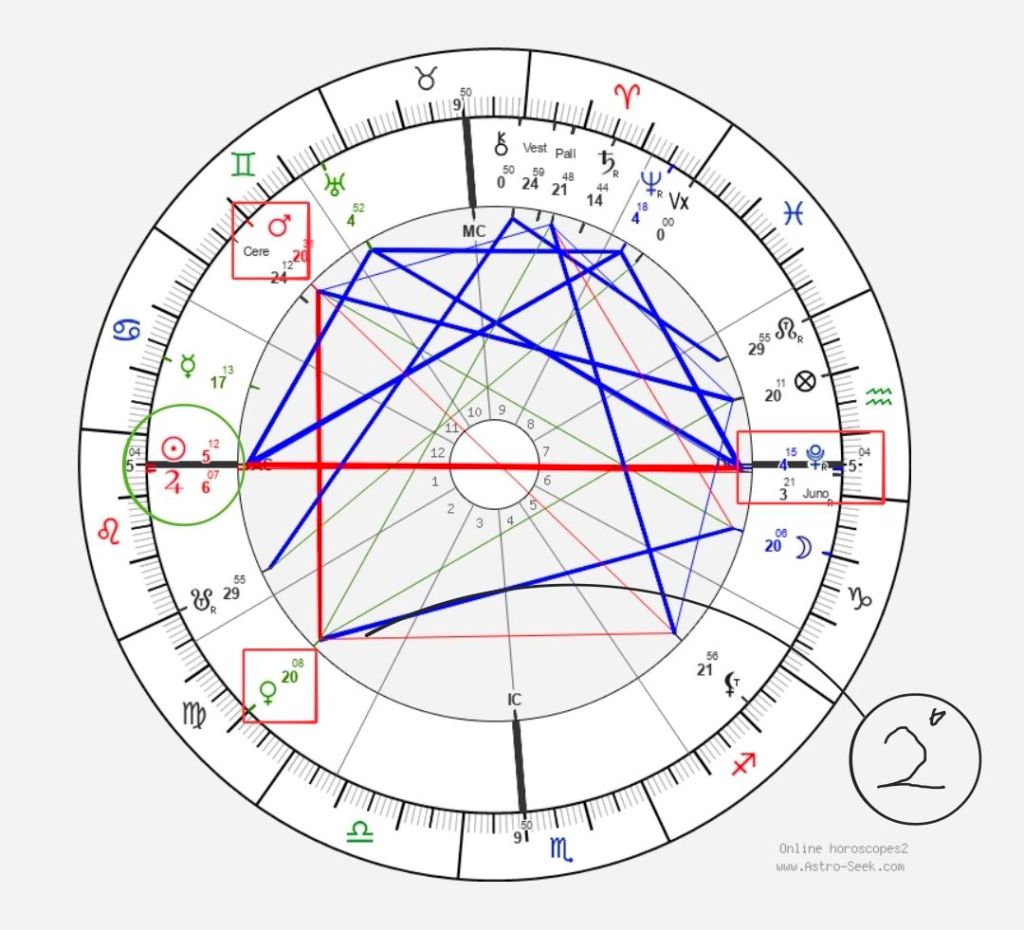
Moon in Capricorn or Day دی ♑ – Ahuramazdan Authority
World’s first empire 2500 years ago in Iran, was based on respect for authority, not fear, to keep the peace with human rights. Human rights was born in Iran.
Facebook
facebook.com/IranAstrology
Ahuramazdan
ahuramazdanastrology.wordpress.com
Ali Mostofi @YouTube
youtube.com/@alimostofi
#ahuramazda
#iran
#astrology
#alimostofi
#اهورامزدا
#ایران
#نجوم
#علی_مستوفی - Moon in Sagittarius or Azar آذر ♐ – Ahuramazdan Horse Chariot
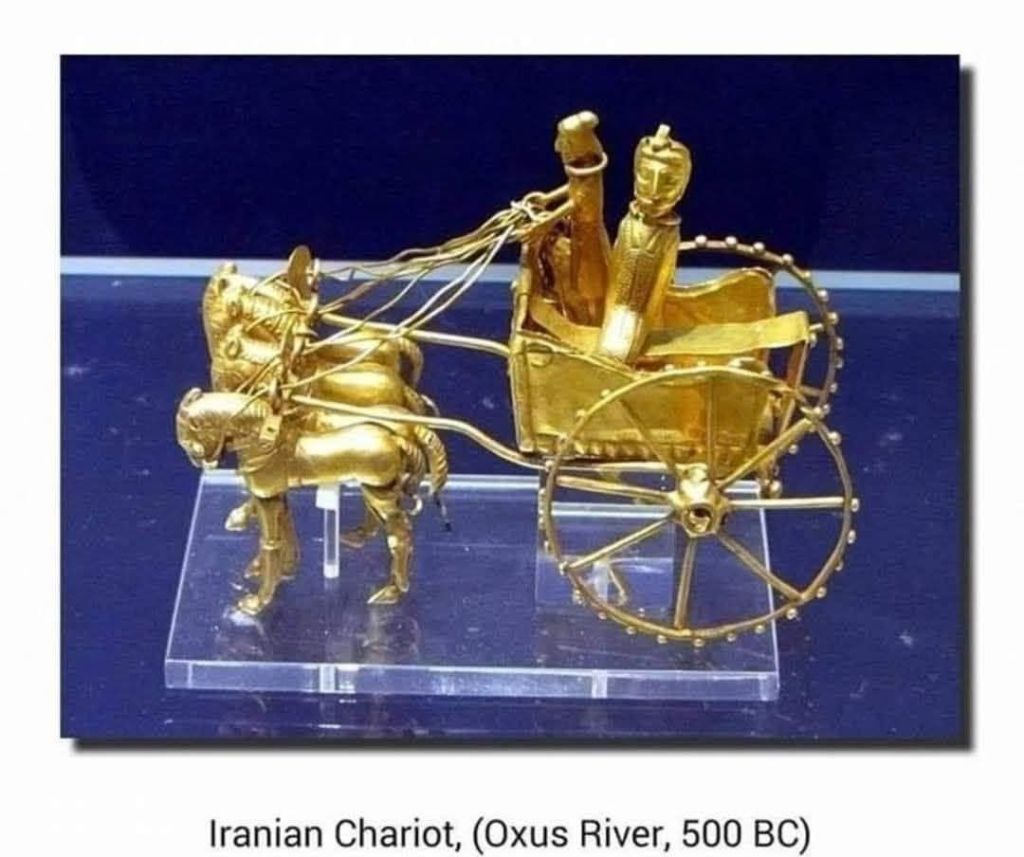
Iran, 2500 years ago. Iran created the oldest advanced chariots 2500 years ago. 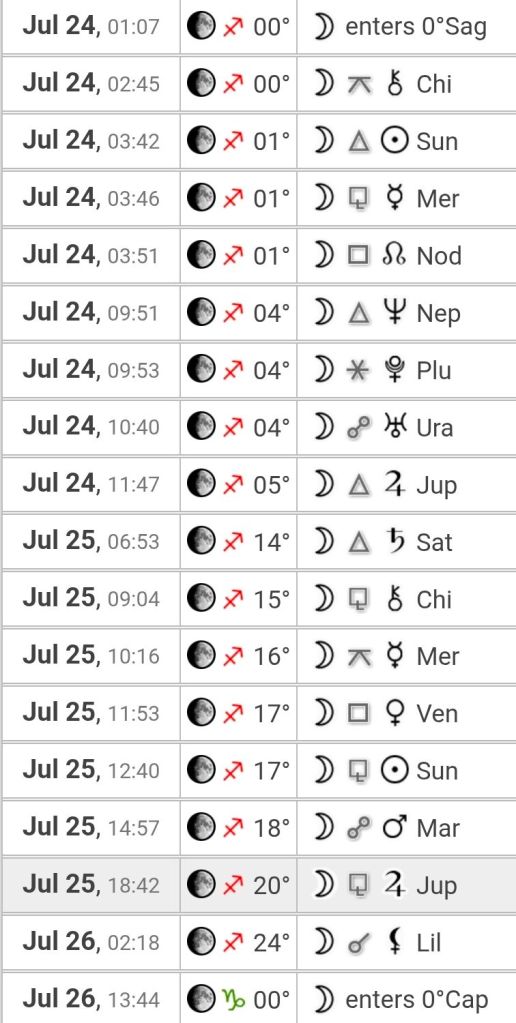
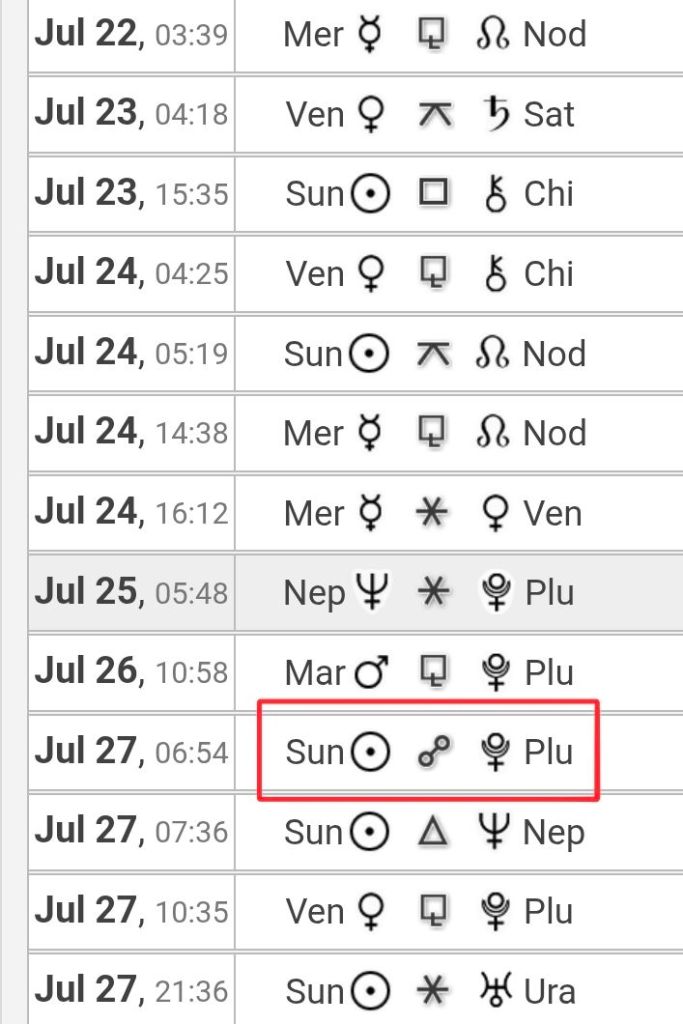
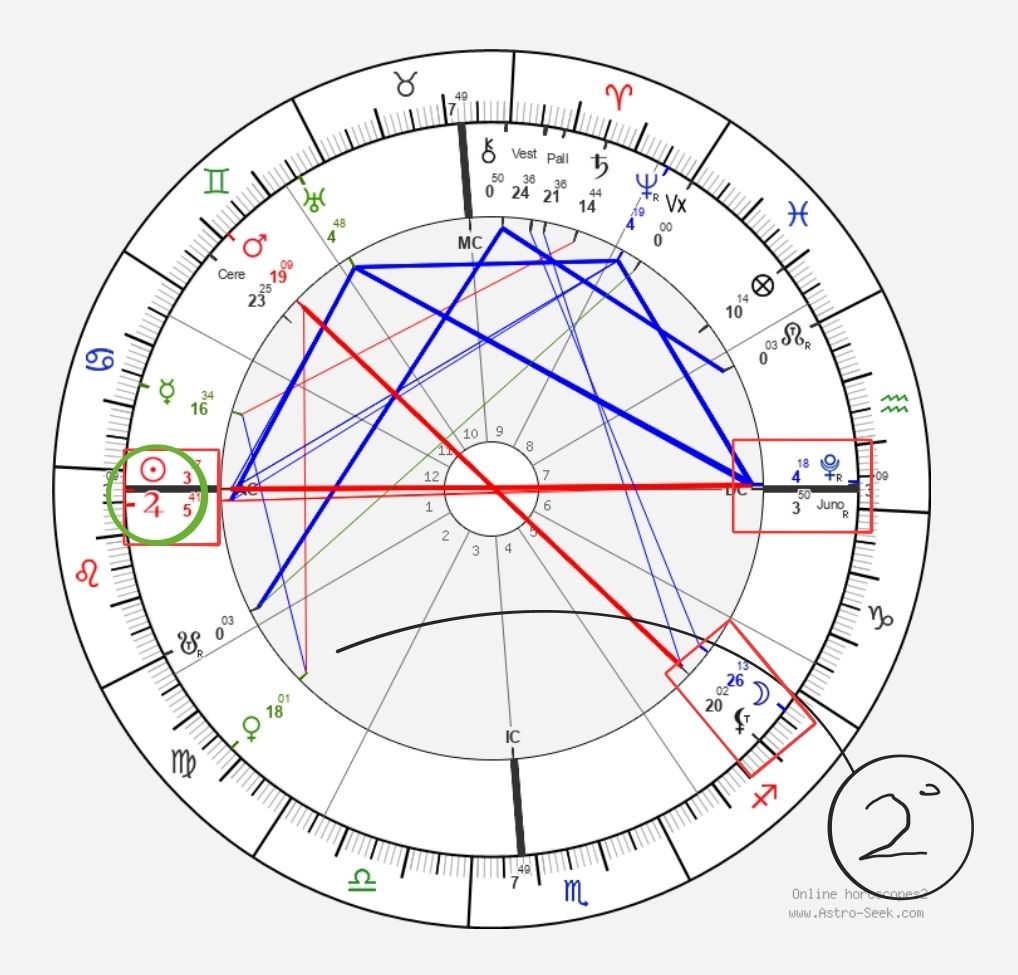
Moon in Sagittarius or Azar آذر ♐ – Ahuramazdan Horse Chariot
Iran, 2500 years ago. Iran created the oldest advanced chariots 2500 years ago. The War Chariot and Archers, created the world’s first global empire. Iran’s empire, had a vast Royal Roads, that crisscrossed the world. The world’s first postal system began in Iran, with chariots carrying the parcels of post. It created the first known network in human history.
Facebook
facebook.com/IranAstrology
Ahuramazdan
ahuramazdanastrology.wordpress.com
Ali Mostofi @YouTube
youtube.com/@alimostofi
#ahuramazda
#iran
#astrology
#alimostofi
#اهورامزدا
#ایران
#نجوم
#علی_مستوفی - The Theory of Everything: Why the Experts Are Hitting a Dead End نظریه همه چیز: چرا متخصصان به بنبست رسیدهاند
The Theory of Everything: Why the Experts Are Hitting a Dead End
نظریه همه چیز: چرا متخصصان به بنبست رسیدهاند
📽️ English Video
🎙️ English Podcast
📽️ ویدیو فارسی
🎙️ پادکست فارسی
For centuries, humanity has searched for the “Theory of Everything”—the master key to how the universe works. Today, that search has hit a wall, divided between two dead ends.
On one side, theologians offer stories of divine mystery, but they ignore the First and Second Laws of Thermodynamics. You cannot explain a world driven by energy while ignoring the fundamental laws of physics.
On the other side, modern scientists have reached the pinnacle of mathematical modeling with String Theory. It is a brilliant system, yet it is perpetually incomplete. Originally, these theories proposed 11 dimensions (M-Theory) to explain the universe. But as their calculations became more refined, the math “leaked.” To stop the equations from collapsing, they had to increase the number of variables, eventually settling on 22 “unknowns” (the parameters required beyond the 4 dimensions of observable spacetime).
They aren’t hiding anything. They simply do not have the manual. They have spent decades adding “placeholders” to their math to account for energy they cannot see.
The Astrologer’s Perspective: Reading the Circuit
There is a much older, more accurate way to read the universe, mapped 6,000 years ago on the Iranian plateau: the Ahuramazdan Ameshasepantan system.
Practitioners of this craft have always understood that the universe is not a collection of random events; it is a machine. We are all part of a larger energy circuit. By measuring the angular relationships between stellar entities, we can read the “voltage” of the universe in real-time.
Originally, observers tracked seven planetary entities and seven basic angles. As our ability to measure the heavens grew, so did our precision. We now track 22 planetary entities and measure their 22 precise, three-dimensional angles.
Closing the Gap
The ironic truth is that the “unknowns” physicists are struggling to solve are the exact same 22 points of control that have been tracked for millennia.
• The Physicist’s Journey: They started with 11, realized it wasn’t enough, and climbed to 22 because their math required those variables to stay consistent. They call these “hidden dimensions” because they have no other way to justify their existence.
• The Astrologer’s Solution: We don’t guess. We measure. These 22 parameters are not abstract dimensions; they are the 22 planetary entities and their angular relationships that define the energy state of the world.
When you track these 22 points, the “mystery” of String Theory disappears. You aren’t looking at “hidden dimensions” in a vacuum; you are looking at the control knobs of a planetary circuit.
The Answer is in the Angles
Science has hit a dead end because it refuses to look outside its own theoretical models. Religion has failed because it ignores the laws of physics.
The “Theory of Everything” isn’t a secret locked away in a particle accelerator. It is a set of angles that have been moving across the sky for 6,000 years. The machine is running, the angles are moving, and we finally have the tools to read the manual. We don’t need miracles and we don’t need “unknowns.” We just need to measure what is actually happening.
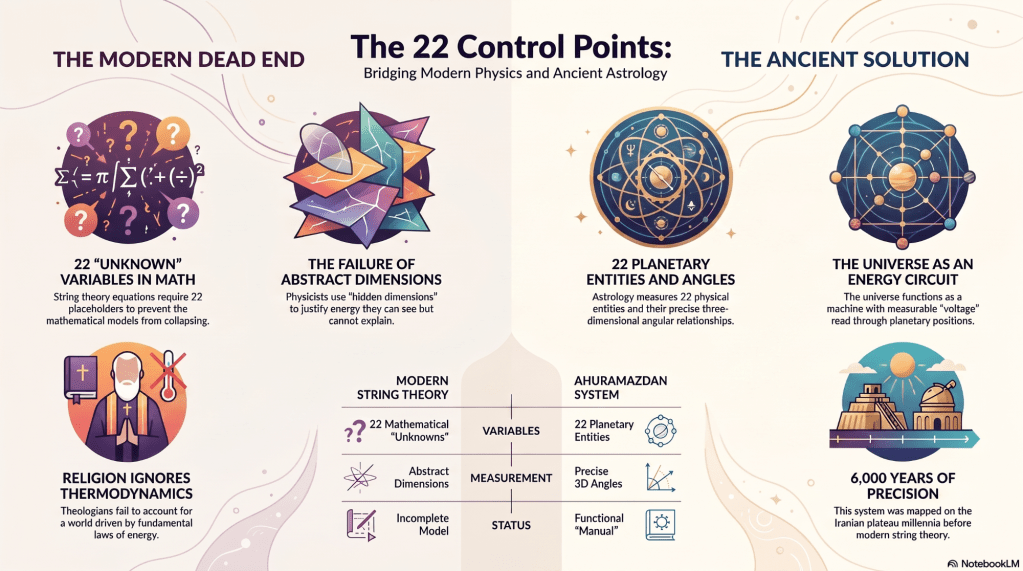
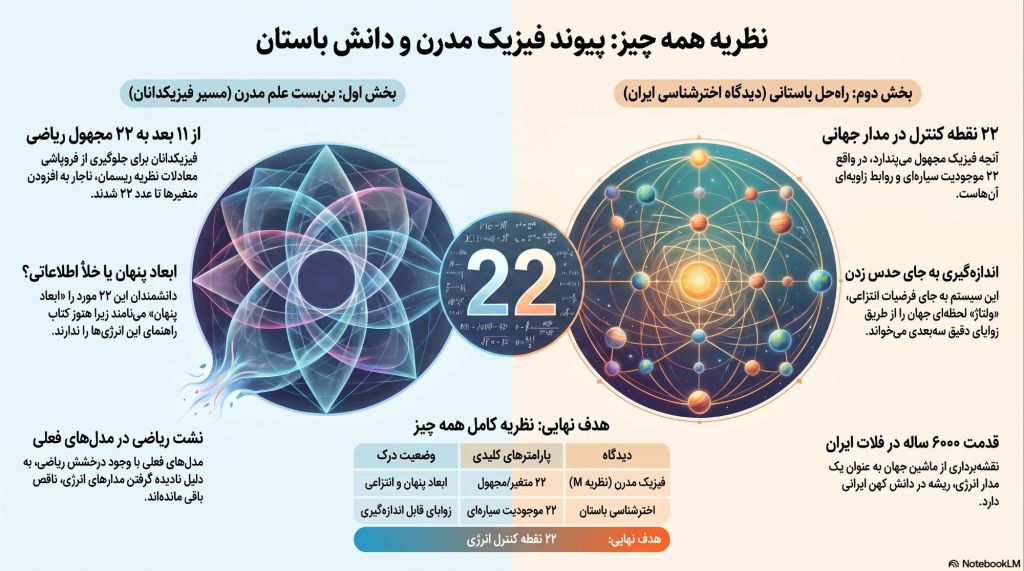
نظریه همه چیز: چرا متخصصان به بنبست رسیدهاندقرنهاست که بشریت در جستجوی «نظریه همه چیز» بوده است—کلید اصلی برای درک نحوه عملکرد جهان. امروزه، این جستجو به دیوار خورده و به دو بنبست تقسیم شده است.
از یک سو، متکلمان داستانهایی از رازهای الهی ارائه میدهند، اما آنها قوانین اول و دوم ترمودینامیک را نادیده میگیرند. شما نمیتوانید جهانی که توسط انرژی هدایت میشود را توضیح دهید در حالی که قوانین بنیادی فیزیک را نادیده میگیرید.
از سوی دیگر، دانشمندان مدرن با نظریه ریسمان به اوج مدلسازی ریاضی رسیدهاند. این یک سیستم درخشان است، اما دائماً ناقص باقی میماند. در ابتدا، این نظریهها ۱۱ بعد (نظریه M) را برای توضیح جهان پیشنهاد کردند. اما با دقیقتر شدن محاسبات، ریاضیات آنها «نشت» کرد. برای جلوگیری از فروپاشی معادلات، آنها مجبور شدند
تعداد متغیرها را افزایش دهند و در نهایت به ۲۲ «مجهول» رسیدند (پارامترهای مورد نیاز فراتر از ۴ بعد فضا-زمان قابل مشاهده).
آنها چیزی را پنهان نمیکنند؛ آنها صرفاً کتاب راهنما را ندارند. آنها دههها را صرف اضافه کردن «جایخالی» به ریاضیات خود کردهاند تا انرژیهایی را که نمیتوانند ببینند، توجیه کنند.
دیدگاه اخترشناس: خواندن مدار
روش بسیار قدیمیتر و دقیقتری برای خواندن جهان وجود دارد که ۶۰۰۰ سال پیش در فلات ایران نقشهبرداری شده است:
سیستم اهورامزدا امشاسپندان.
اهالی این فن همواره درک کردهاند که جهان مجموعهای از رویدادهای تصادفی نیست؛ بلکه یک ماشین است. همه ما بخشی از یک مدار انرژی بزرگتر هستیم. با اندازهگیری روابط زاویهای بین موجودیتهای ستارهای، میتوانیم «ولتاژ» جهان را در زمان واقعی بخوانیم.
در ابتدا، ناظران هفت موجودیت سیارهای و هفت زاویه
پایه را دنبال میکردند. با افزایش توانایی ما در اندازهگیری آسمانها، دقت ما نیز افزایش یافت. ما اکنون ۲۲ موجودیت سیارهای را دنبال میکنیم و ۲۲ زاویه دقیق و سهبعدی آنها را اندازهگیری میکنیم.
پر کردن شکاف
حقیقت کنایهآمیز این است که «مجهولاتی» که فیزیکدانان برای حل آنها تلاش میکنند، دقیقاً همان ۲۲ نقطه کنترلی هستند که هزاران سال است ردیابی میشوند.
• سفر فیزیکدان: آنها با ۱۱ شروع کردند، متوجه شدند کافی نیست، و به ۲۲ رسیدند زیرا ریاضیات آنها برای ثابت ماندن به این متغیرها نیاز داشت. آنها اینها را «ابعاد پنهان» مینامند چون راه دیگری برای توجیه وجود آنها ندارند.
• راهحل اخترشناس: ما حدس نمیزنیم؛ ما اندازهگیری میکنیم. این ۲۲ پارامتر، ابعاد انتزاعی نیستند؛ آنها ۲۲ موجودیت سیارهای و روابط زاویهای آنها هستند که وضعیت انرژی جهان را تعیین میکنند.
وقتی این ۲۲ نقطه را ردیابی میکنید، «راز» نظریه ریسمان ناپدید میشود. شما دیگر به «ابعاد پنهان» در خلأ نگاه نمیکنید؛ شما به دستگیرههای کنترلی یک مدار سیارهای نگاه میکنید.
پاسخ در زوایا نهفته است
علم به بنبست رسیده است چون از نگاه کردن به خارج از مدلهای نظری خود امتناع میورزد. مذهب شکست خورده است چون قوانین فیزیک را نادیده میگیرد.
«نظریه همه چیز» رازی نیست که در یک شتابدهنده ذرات قفل شده باشد. این مجموعهای از زوایاست که ۶۰۰۰ سال است در آسمان در حال حرکت است. ماشین در حال کار است، زوایا در حال حرکت هستند و ما بالاخره ابزارهای خواندن کتاب راهنما را در اختیار داریم. ما نیازی به معجزه و نیازی به «مجهولات» نداریم؛ فقط باید اندازهگیری کنیم که واقعاً چه اتفاقی در حال رخ دادن است.I asked Gemini and NotebookLM
ممکن است در فارسی اشتباهات باشد
- Moon in Scorpio or Aban آبان ♏ – Ahuramazdan Rebirth
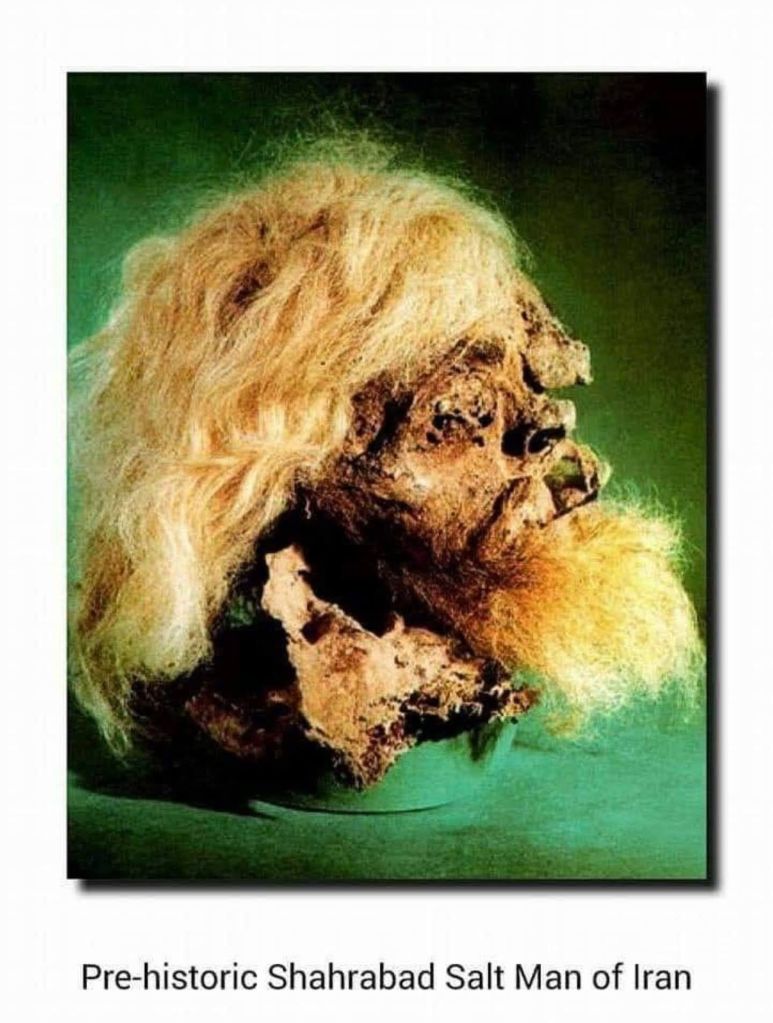
Ancient Blonde Iranian. The 2200-year-old mummy of Chehrabad (Shahrabad) had tapeworm eggs from the genus Taenia in his intestine. 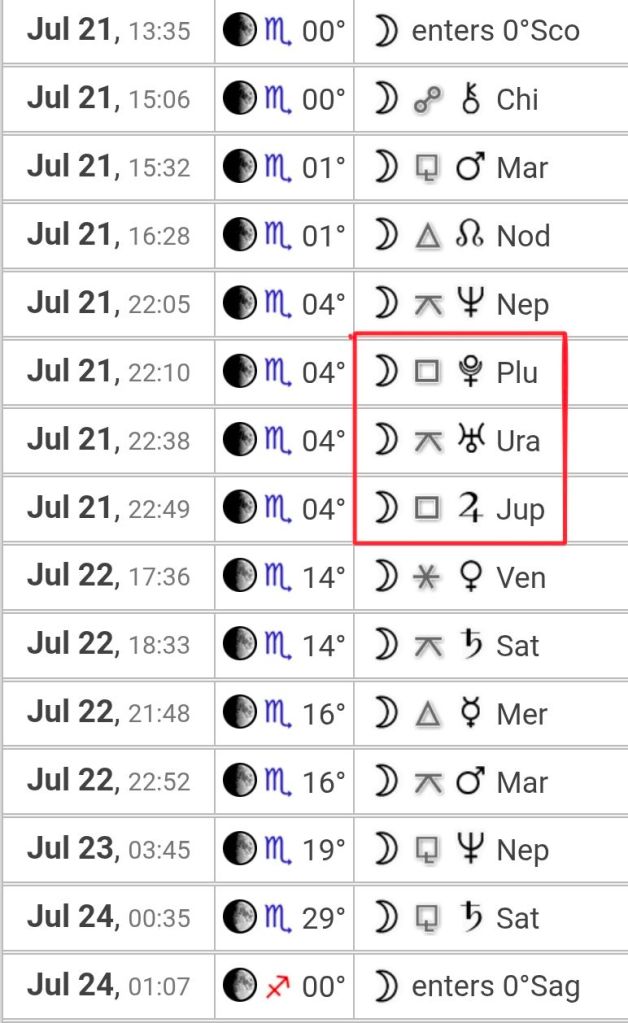
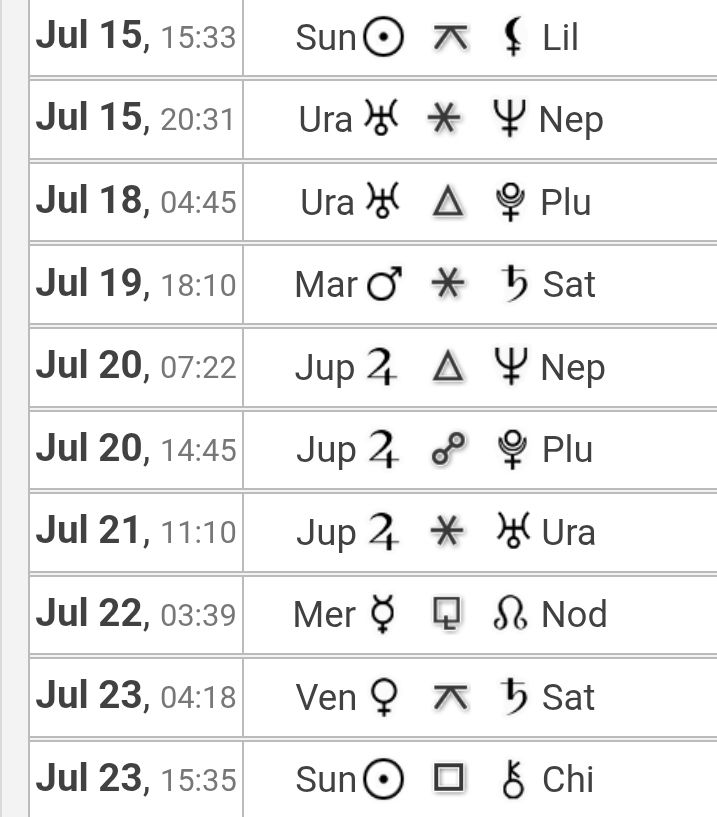
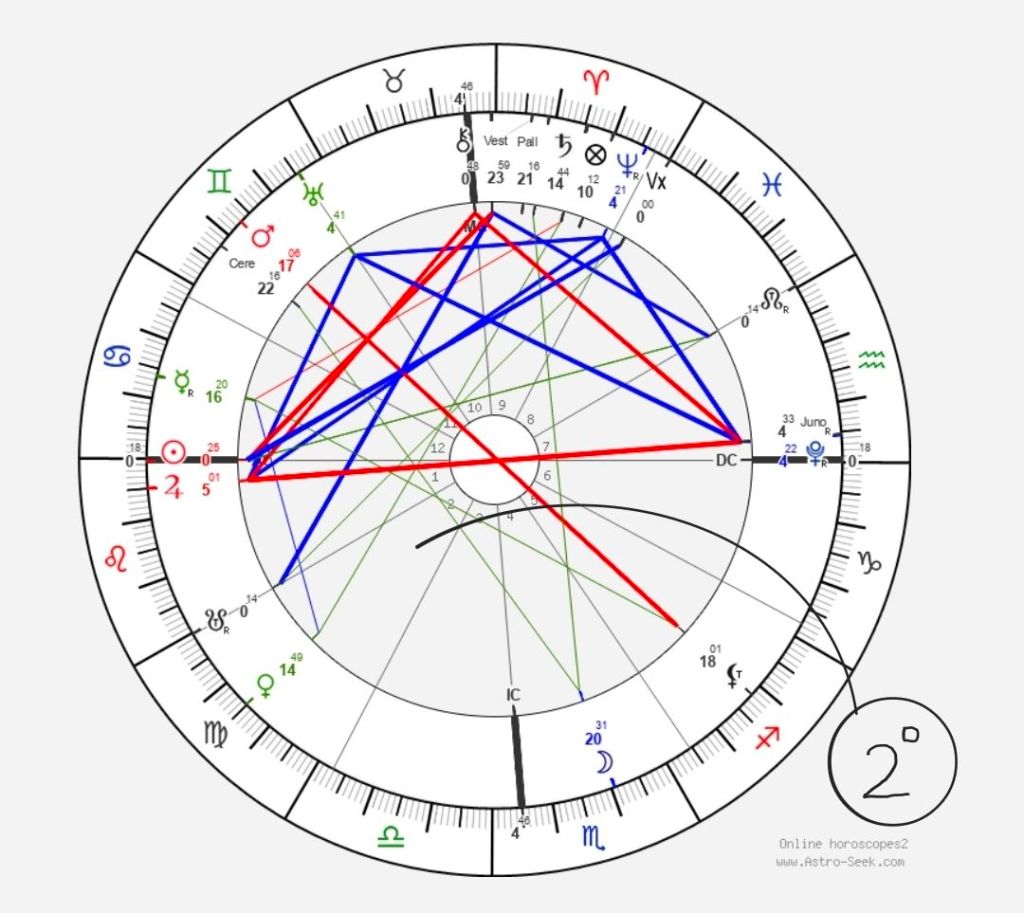
Moon in Scorpio or Aban آبان ♏ – Ahuramazdan Rebirth
Ancient Blonde Iranian. The 2200-year-old mummy of Chehrabad (Shahrabad) had tapeworm eggs from the genus Taenia in his intestine.
Facebook
facebook.com/IranAstrology
Ahuramazdan
ahuramazdanastrology.wordpress.com
Ali Mostofi @YouTube
youtube.com/@alimostofi
#ahuramazda
#iran
#astrology
#alimostofi
#اهورامزدا
#ایران
#نجوم
#علی_مستوفی - Moon in Libra or Mehr مهر ♎ – Ahuramazdan Love
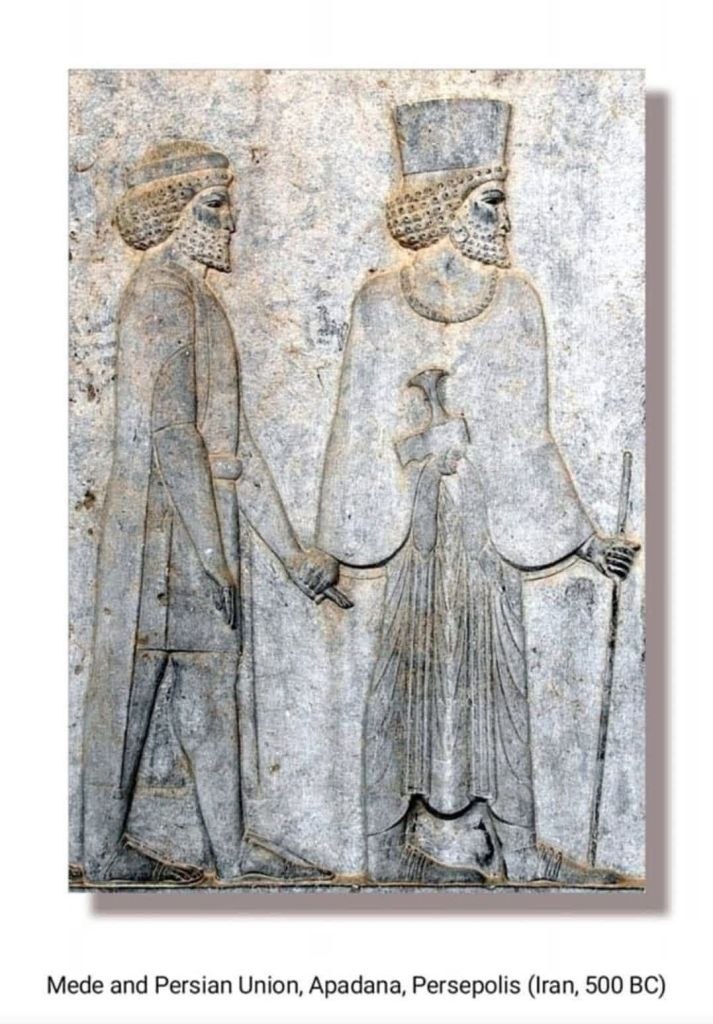
Medes and Persians are Iranians. For the first time in human history, two great nations, united to form the world’s first empire 2500 years ago in Iran. 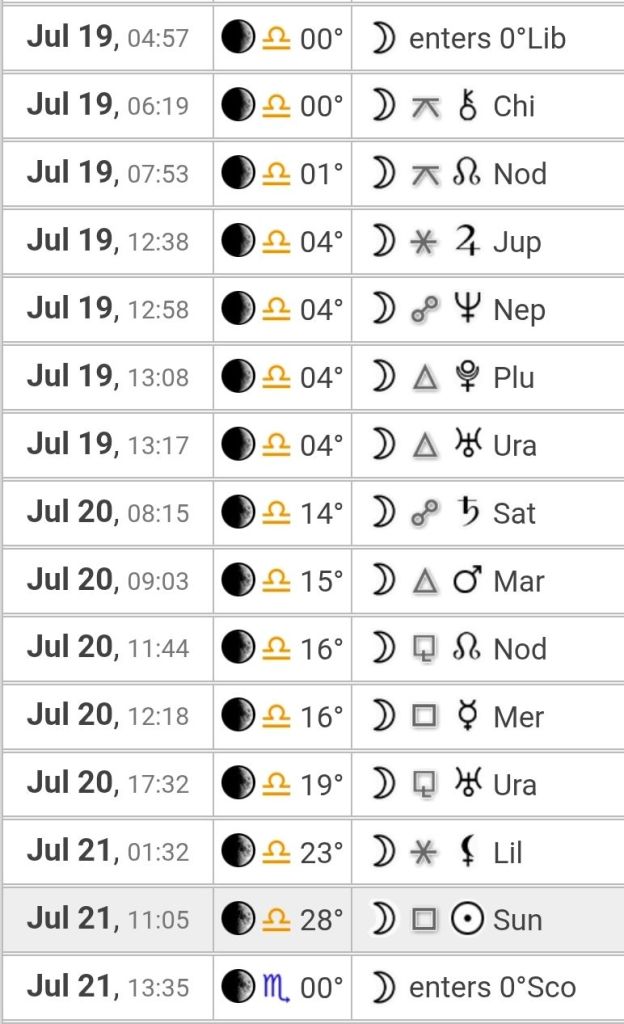
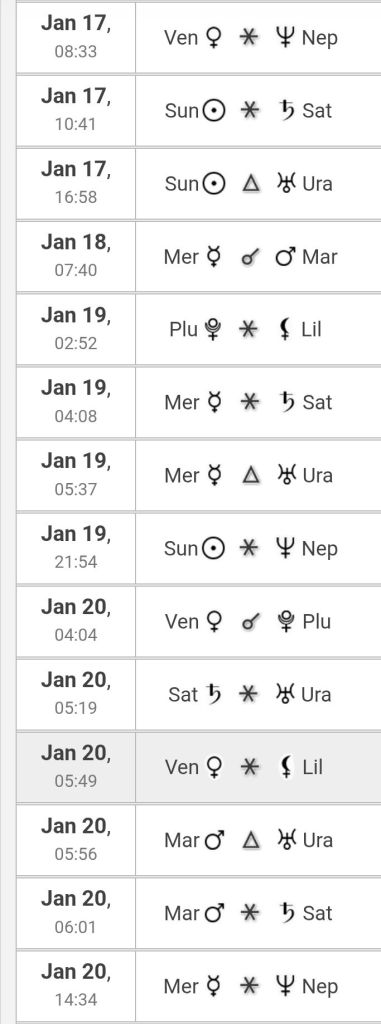
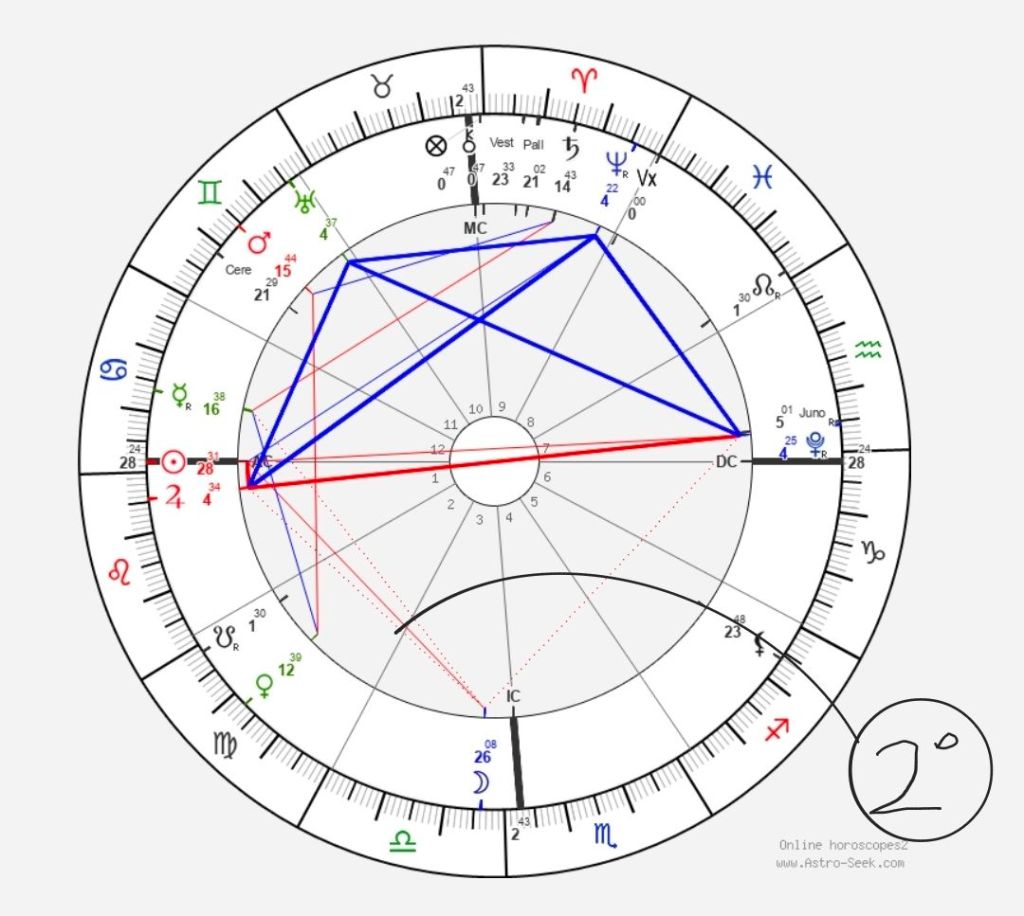
Moon in Libra or Mehr مهر ♎ – Ahuramazdan Love
Medes and Persians are Iranians. For the first time in human history, two great nations, united to form the world’s first empire 2500 years ago in Iran. The Mede Guard is on the left, and the Persian Guard is on the right, with their characteristically different headdress. This message on the walls of Persepolis was to show the love that they had for each other’s culture.
Facebook
facebook.com/IranAstrology
Ahuramazdan
ahuramazdanastrology.wordpress.com
Ali Mostofi @YouTube
youtube.com/@alimostofi
#ahuramazda
#iran
#astrology
#alimostofi
#اهورامزدا
#ایران
#نجوم
#علی_مستوفی - The Faravahar as an Engineering Schematic فاراوهار به مثابه یک شماتیک مهندسی
The Faravahar as an Engineering Schematic
فاراوهار به مثابه یک شماتیک مهندسی
The Faravahar is an original scientific, cosmological, and astrological symbol—originating on the Iranian plateau around 3500 BCE during the proto-Elamite and Sumerian era—engineered as a precision schematic to govern thermodynamic energy management and the alignment of human willpower.
فروهر یک نماد اخترشناختی، کیهانشناختی و علمیِ اصیل است—که در حدود ۳۵۰۰ سال پیش از میلاد در دوران پروتو-ایلامی و سومری در فلات ایران پدید آمد—و به عنوان یک شماتیک مهندسیِ دقیق برای مدیریت انرژی ترمودینامیک و همراستایی اراده انسانی طراحی شده است.
📽️ Video Explainer
🎙️ Podcast: Listen to a very detailed discussion
📽️ ویدیو
🎙️ پادکست: به یک بحث بسیار مفصل گوش دهید.
Abstract
This report re-evaluates the Faravahar as a foundational schematic of ancient engineering and thermodynamic energy management, rather than a theological construct. By stripping away centuries of religious interpretation, we identify the symbol as a technical blueprint—a “Fire Science”—used by early civilizations to map human willpower and individual sovereignty through the laws of thermodynamics. Aligning this schematic with the planetary archetype of Vesta, we demonstrate how ancient observers utilized precise geometric calibration to regulate internal and external energy states. This document explores the origin, transmission, and systematic obfuscation of this observation-based technology, framing the history of the Iranian plateau as the primary site for the development of systemic measurement and the mastery of the human self.
Table of Contents
• Introduction: The Cradle of Systematic Observation
• The Restoration of the Faravahar
• The Vesta-Avesta Frequency: An Observational Bridge
• The Technical Context: Thermodynamic Aspect Cycles
• The Implementation Layer: The Astrological Actuators
• The Seven Ameshasepanta: Parameters of Chemistry, Metallurgy, and Life
• The Integrity of Oral Transmission
• 3500 BCE: The Proto-Elamite and Sumerian Forge
• 2500 BCE: The Iranian Plateau Tripartite
• 1500 BCE: The Vedic Transmission
• 550 BCE: The Achaemenid Codification
• The Climatic Catastrophe and the Rise of Abrahamic Obfuscation
• 300 CE – Present: The Erasure of ScienceIntroduction: The Cradle of Systematic Observation
Long before the rise of modern industrial science, the civilizations of the ancient Near East—centered on the Iranian plateau and the Mesopotamian floodplains—developed sophisticated methods for measuring the natural world. These cultures were not merely observers of their environment; they were early engineers who recognized that planetary cycles and terrestrial heat possessed a measurable, geometric order. At the heart of this discipline lay a foundational reasoning philosophy: the human capacity to exist is a continuous, conscious act of choice. Just as a battery generates energy through the interaction of its positive and negative poles, the human system generates power by navigating between the first law of thermodynamics—Ohrmazd, the principle of order—and the second law of thermodynamics—Ahriman, the principle of entropy. To achieve a realistic analysis that eliminates error and accepts change, the ancient practitioner followed a rigorous tripartite deductive process: first, the mental state to obtain the good thought; second, the language state to articulate good words; and finally, the manifestation of the good deed. Only when this cycle is completed is the result considered realistic and scientifically valid. This document explores one of the most profound technological relics of this era: the Faravahar. While historically relegated to the realm of mythology, the Faravahar serves as an essential case study in how ancient humanity first codified these laws of energy, willpower, and physical transformation into a rigorous, observational system.
Summary: Ancient Iranian and Mesopotamian cultures developed a sophisticated “Fire Science” that treated human willpower as a measurable thermodynamic process, using the Faravahar as the primary blueprint for this engineering.
The Restoration of the Faravahar
For millennia, the Faravahar has been viewed through the distorted lens of religious dogma, re-categorized as a static idol by the cultures that inherited its profound scientific legacy. This report strips away those layers to reveal the Faravahar’s true nature: a precise, geometric schematic of human willpower and thermodynamic energy management. By aligning this symbol with the astrological archetype of Vesta, we reconnect the observer to the “Fire Science” of the Proto-Elamites and Sumerians—a tradition that functioned not as a religion, but as a technical discipline for individual sovereignty. Within this framework, we distinguish between the primary planets—the Sun, Moon, and the five wandering planets—which act as the “Managers” or “Lords” of the grand design, and the asteroids—Vesta, Ceres, Juno, and Pallas—which function as the “Implementers” or actuators of physical reality. This distinction mirrors the ancient division between high-level celestial laws and the mechanics of human manifestation.
Summary: The Faravahar is an ancient, observational technology of the self, obscured by centuries of historical misinterpretation; it is a blueprint for individual thermodynamic mastery.
The Vesta-Avesta Frequency: An Observational Bridge
The term “Zend-Avesta” serves as a primary example of how technical knowledge is obscured by historical misunderstanding. In academic circles, this is widely recognized as an 18th-century misnomer, resulting from European scholars misinterpreting the physical structure of priestly study manuscripts. In these manuscripts, the Avesta (the original text) and the Zand (the explanatory commentary) were bound together as Avistāk va Zand—literally “Avesta and Zand.” Western researchers mistakenly assumed this was the formal title of the work, and over time, the label “Zend-Avesta” became the accepted, albeit inaccurate, nomenclature. To restore the operational utility of this system, we must strip away these labels and return to the underlying functional definitions. Within our engineering framework, the Avesta represents the primary dataset—the codified observations of planetary geometry and frequency. The Zand represents the kinetic protocol—the “knowledge-in-action” or technical commentary required to translate that data into human output. This linguistic convergence is not accidental when viewed alongside modern astronomy. The phonetic and conceptual link between the asteroid Vesta and the Avesta serves as a vital bridge between ancient Iranian “Fire Science” and the mechanical reality of our solar system. When astronomer Carl Friedrich Gauss discovered Vesta in 1807 and designed its glyph, he unknowingly replicated the ancient Achaemenid visual schematic: an altar supporting a sacred flame. This alignment between the Vesta-frequency in our celestial records and the Avestan tradition confirms that the ancients were not documenting mythology, but a high-fidelity observational manual for the mastery of the internal forge. By correcting the label to the Vesta-Avesta Frequency, we move from religious obfuscation toward a clear, technical understanding of how the hearth of the individual operator is tuned to the fundamental energy states of the natural world.
Summary: By correcting the label to the Vesta-Avesta Frequency, we resolve historical confusion and link the ancient Avestan kinetic protocols to the specific celestial frequency of the asteroid Vesta, confirming its role as a manual for the internal forge.
The Technical Context: Thermodynamic Aspect Cycles
To operate this schematic, we must define the energy states that were historically distorted into religious deities. These are not moral entities, but components of a thermodynamic circuit mapped to the three phases of any planetary aspect (Conjunction 0°, three hard angles 180°/90°/45°, and three soft angles 120°/60°/30°).
This cycle is the engine of human consciousness:
• Applying Aspect (First Law of Thermodynamics – Ohrmazd): As the angle approaches the exact geometric point, potential energy is gathered and compressed. This is the “good thought” phase, where the technician organizes energy for the incoming alignment.
• Exact Aspect (Ahuramazda – Source Voltage): The moment of peak geometric alignment. This is the “good deed” point, where the source potential is perfectly coupled with reality, facilitating the immediate transition from potential to kinetic energy.
• Separating Aspect (Second Law of Thermodynamics – Ahriman): After the exact point, the energy enters the phase of entropy. This is the “good word” and manifestation phase, where the concentrated energy disperses to fix the result into the material environment, managing the friction of reality.
Summary: The planetary aspect cycle functions as a thermodynamic engine, where the approach, exact alignment, and separation of planetary angles mirror the conversion of potential energy into material manifestation.
The Implementation Layer: The Astrological Actuators
As established, the foundational reasoning of the Ahuramazdan system is the commitment to a rigorous tripartite deductive process: the mental state of “Good Thought,” the articulation of “Good Words,” and the final manifestation of “Good Deeds.” Just as a modern engineer relies on physics to determine if an architectural design can stand in the material world, the ancient practitioner relied on this cycle to determine if an idea was scientifically valid. If a manifestation holds and functions within the natural world, it is accepted as truth; if it fails, it is a divergence from the principle of order. To bridge the gap between celestial potential and earthly realization, the ancients utilized the asteroids as the primary executive actuators. While the slow-moving planets define the macro-environmental “Managers,” the asteroids function as the “Field Technicians.” Each of the four main asteroids serves as an autonomous executive governor for specific human tasks:
• Vesta (The Sacred Hearth): The core engine of individual willpower and sovereignty, the furnace where the “Good Thought” is refined. The linguistic and conceptual link between the asteroid Vesta, the Avesta, and the Zend-Avesta is a critical observational link to the technical remnants of ancient Iran. This connection is validated by the history of modern astronomy; when Carl Friedrich Gauss designed the glyph for Vesta upon its discovery in 1807, he rendered an altar with a sacred flame. This visual schematic perfectly mirrors the ancient understanding that this energy signature is the prerequisite for individual independence and the mastery of the internal forge.
• Pallas (The Strategic Architect): The master engineer of the circuit. Pallas manages the strategic construction of the deed, providing the technical precision required to convert energy into a functional structure, invention, or lasting physical output.
• Juno (The Juridical Actuator): The authority that governs the “Word” as physical law. Juno handles the contractual manifestation—the formal agreements, societal bindings, and the identification of the individuals responsible for codifying law into reality.
• Ceres (The Biological Maintainer): The actuator for the management of physical resources and living systems. Ceres regulates the cycle of growth, the handling of crops and livestock, and the sustainable flow of sustenance that allows the human machine to function within the larger ecosystem.
In this system, the “Good Deed” is a mechanical success. When these executive actuators form precise geometric angles with the Managers, the “work window” for human manifestation opens. The technician monitors these specific asteroid positions to know exactly when to forge, when to contract, and when to execute. This transforms the astrological chart from a passive map into an active engineering schedule, providing the technical signal for when the potential of the Universe is ready to be harnessed by the hands of the human operator.
Summary: The executive actuators (Vesta, Pallas, Juno, and Ceres) act as independent governors for willpower, strategy, law, and resources, allowing the operator to schedule manifestations according to precise celestial geometry.
The Seven Ameshasepanta: Parameters of Chemistry, Metallurgy, and Life
The seven Ameshasepanta represent the “old chemistry” of nature and the forge. They are organized by the four elements (Fire, Earth, Air, Water) and three living entities (Humans, Animals—specifically cattle and livestock—and Plants). They function as the metallurgical and biological blueprint:
• Ahuramazda: The Prime Potential; the source voltage.
• Vohu Manah: The ignition and catalysis parameter; the threshold temperature for chemical reduction.
• Asha Vahishta: The thermal equilibrium parameter; the stoichiometric balance of fuels and airflow.
• Kshathra Vairya: The material transformation parameter; the physical output stage of refined metal and biological growth.
• Spenta Armaiti: The containment parameter; the refractory lining of the furnace and the structural integrity of the ecosystem.
• Haurvatat: The quenching parameter; the rapid cooling stage for molecular hardness and biological stability.
• Ameretat: The tempering parameter; the final stage of thermal cycling for durability and long-term resilience.
Summary: The Ameshasepanta constitute a metallurgical and biological process manual, defining the precise thermodynamic parameters required to manage chemical reduction, molecular hardness, and long-term resilience.
The Integrity of Oral Transmission
Critics often ask why this “science” left no technical manual on clay tablets. The answer lies in the nature of the knowledge itself: it was an engineering guild secret. The ancients understood that the geometry of the “Sacred Flame”—which we now measure via the Vesta-frequency—was the master-key to human independence. It was transmitted exclusively “chest-to-chest” to prevent weaponization or corruption.
Summary: The lack of written manuals is a deliberate security protocol, as the knowledge of the Vesta-frequency was deemed too high-stakes for public dissemination, requiring transmission through embodied, kinetic ritual.
3500 BCE: The Proto-Elamite and Sumerian Forge
In the cradle of Sumer and Elam, the “winged sun-disk” emerged as a technical blueprint for the mastery of the forge. Using abundant local fuels like natural gas, bitumen, and asphalt, Sumerian metallurgists harnessed intense heat to smelt and alloy copper and tin, transforming raw ores into the blades, axes, and tools that catalyzed civilization itself. This was the empirical discovery that fire—the “sacred hearth”—is the primary tool for human independence.
Summary: The development of the first thermodynamic reactors—the furnaces of the early forge—provided the empirical foundation for the ancient belief that fire is the primary tool for human independence.
2500 BCE: The Iranian Plateau Tripartite
Ancient Iranians codified this “Fire Science” into a tripartite system, mapping the internal human spark against the external forces of creation and entropy. This knowledge was transmitted through the “chest-to-chest” method—a series of vibrational, kinetic rituals and dances performed around the hearth to ensure the technology of self-mastery was physically embodied as a living, breathing lineage.Summary: Kinetic rituals served as a method for physicalizing the technical schematic, ensuring the lineage of self-mastery was preserved through the embodiment of thermodynamic principles.
1500 BCE: The Vedic Transmission
As the fire-science migrated toward the Indus region, it was adapted into the concept of Agni—the vital mediator between human intent and cosmic law. The symbol of the flame remained a functional diagnostic tool for the Hotri, the priest-technician, who utilized this tripartite circuit to maintain the harmony of the human energetic state within the larger universal machine.Summary: The concept of Agni confirms that fire-management was the universal scientific language of the ancient world, used by technician-priests to diagnose and maintain the energetic harmony of the human machine.
550 BCE: The Achaemenid Codification
The Achaemenid Empire officially institutionalized this geometric shorthand, adopting the name “Faravahar” at imperial sites like Persepolis. By inscribing this schematic into their architecture, they sought to anchor the oral tradition of self-mastery into the stone foundations of their engineering, preserving the science as a cornerstone of imperial order and individual sovereignty.Summary: The Achaemenid codification was the final attempt to standardize the oral engineering manual, utilizing imperial scale to preserve the science of self-mastery.
The Climatic Catastrophe and the Rise of Abrahamic Obfuscation
Throughout these centuries, our scientific ancestors operated a functional, measurable reality. However, they were locked in a constant political struggle against “doomsayers”—proponents of Abrahamic fiction—who viewed the world through dogmatic rather than observational lenses. When planetary cycles shifted and catastrophic climatic change struck the Iranian plateau and the Near East, these doomsayers seized the political upper hand. They argued that environmental hardship was a punishment for non-compliance with their belief systems. As the scientists measured the cooling and the drought, the doomsayers mobilized the desperate populace to blame the “sacred fire” and the ancient technologies of the forge. This led to the systematic destruction of the world’s most advanced repositories of knowledge: the libraries of Alexandria, the great archives of Rome, and the foundational wisdom centers of ancient Sumer and Iran.
Summary: Environmental collapse provided the political opening for dogmatic figures to replace observable science with a system of passive obedience, leading to the destruction of the ancient archives.
300 CE – Present: The Erasure of Science
The destruction was staggered by these catastrophic weather events. Christianity emerged as a dominant state force around 300 CE—not during the life of the figure it is named for, but in the chaotic, post-calamity vacuum left by the burning of the libraries. Similarly, the rapid rise of Islam in the 6th and 7th centuries followed a massive climatic shift that brought severe, sustained bad weather to Iran. Salman al-Farisi and other figures of that era utilized the remnants of knowledge—having been exposed to the Nestorian Christians who had retrieved stolen fragments from Europe and Egypt—to reorganize society under a new religious framework. These Abrahamic structures did not preserve the science; they cannibalized it, wrapping the terminology of the Ameshasepanta and the thermodynamic forge into a restrictive, binary moral fiction.Summary: Modern religious institutions are the structural leftovers of historical environmental collapse; they repurposed the terminology of the forge into a restrictive moral dogma that obscured our true scientific heritage.
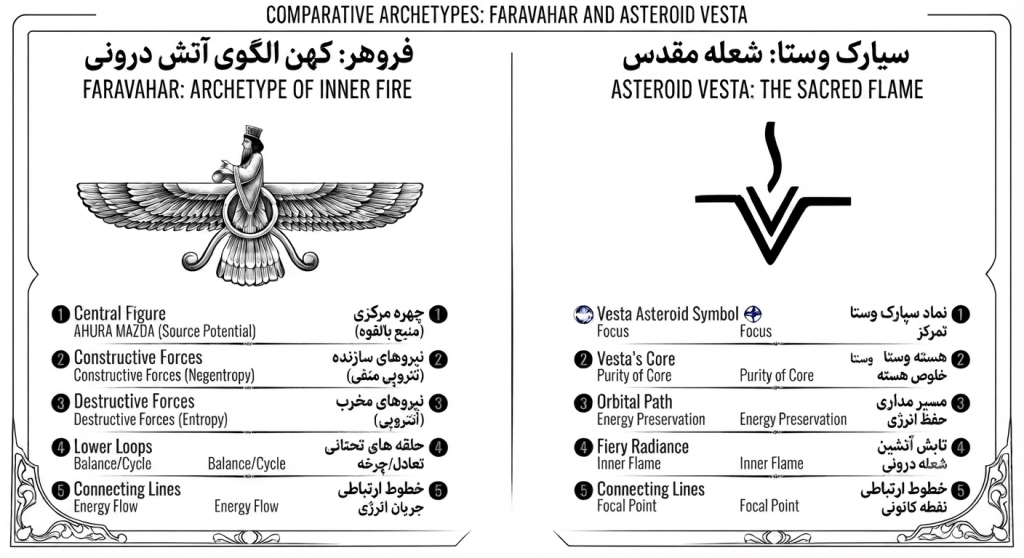
فاراوهار به مثابه یک شماتیک مهندسیچکیده
این گزارش، فاراوهار (Faravahar) را نه به عنوان یک سازه الهیاتی، بلکه به عنوان یک شماتیک بنیادی در مهندسی و مدیریت انرژی ترمودینامیک بازتعریف میکند. با کنار زدن لایههای تفسیرهای مذهبیِ قرون گذشته، ما این نماد را به عنوان یک نقشه فنی – یک “علم آتش” (Fire Science) – شناسایی میکنیم که توسط تمدنهای اولیه برای ترسیم اراده انسانی و حاکمیت فردی از طریق قوانین ترمودینامیک استفاده میشد. با همراستا کردن این شماتیک با کهنالگوی سیارهای “وستا” (Vesta)، نشان میدهیم که چگونه مشاهدهگران باستانی از کالیبراسیون دقیق هندسی برای تنظیم وضعیتهای انرژی درونی و بیرونی بهره میبردند. این سند به بررسی خاستگاه، انتقال و ابهامسازی نظاممند این فناوریِ مبتنی بر مشاهده میپردازد و تاریخ فلات ایران را به عنوان جایگاه اصلی توسعه سنجش نظاممند و تسلط بر خودِ انسانی، چارچوببندی میکند.
فهرست مطالب
مقدمه: مهدِ مشاهده نظاممند
احیای فاراوهار
فرکانس وستا-اوستا: یک پل مشاهدهگر
زمینه فنی: چرخههای ترمودینامیکی
لایه اجرایی: عملگرهای اخترشناختی
هفت امشاسپند: پارامترهای شیمی، متالورژی و حیات
اصالت انتقال سینه به سینه
۳۵۰۰ پیش از میلاد: کوره پروتو-ایلامی و سومری
۲۵۰۰ پیش از میلاد: نظام سهگانه فلات ایران
۱۵۰۰ پیش از میلاد: انتقال ودایی
۵۵۰ پیش از میلاد: تدوین هخامنشی
فاجعه اقلیمی و ظهور ابهامسازی ابراهیمی
۳۰۰ میلادی تا کنون: پاکسازی علممقدمه: مهدِ مشاهده نظاممند
مدتها پیش از ظهور علم صنعتی مدرن، تمدنهای خاور نزدیک باستان—با تمرکز بر فلات ایران و دشتهای بینالنهرین—روشهای پیچیدهای را برای اندازهگیری جهان طبیعی توسعه دادند. این فرهنگها صرفاً مشاهدهگر محیط خود نبودند؛ آنها مهندسان اولیهای بودند که دریافتند چرخههای سیارهای و گرمای زمینی، دارای نظمی هندسی و قابل اندازهگیری هستند. در قلب این رشته، یک فلسفه استدلالی بنیادی نهفته بود: ظرفیت انسانی برای وجود داشتن، یک عملِ مداوم و آگاهانه از انتخاب است. همانطور که یک باتری از طریق تعامل قطبهای مثبت و منفی انرژی تولید میکند، سیستم انسانی نیز از طریق پیمایش میان قانون اول ترمودینامیک—اهورامزدا، اصل نظم—و قانون دوم ترمودینامیک—اهریمن، اصل آنتروپی—قدرت تولید میکند. برای دستیابی به تحلیلی واقعبینانه که خطا را حذف و تغییر را میپذیرد، مشاهدهگر باستانی یک فرایند استنتاجیِ سهگانه و دقیق را دنبال میکرد: نخست، وضعیت ذهنی برای دستیابی به اندیشه نیک؛ دوم، وضعیت زبانی برای بیان گفتار نیک؛ و در نهایت، تجلیِ کردار نیک. تنها زمانی که این چرخه تکمیل شود، نتیجه به عنوان یک دستاورد واقعبینانه و علمی معتبر شناخته میشود. این سند یکی از عمیقترین یادگارهای فناوری آن دوران را بررسی میکند: فاراوهار. اگرچه فاراوهار در طول تاریخ به قلمرو اسطورهشناسی رانده شده است، اما به عنوان یک مطالعه موردی اساسی عمل میکند تا نشان دهد چگونه بشریت باستان برای نخستین بار این قوانین انرژی، اراده و دگرگونی فیزیکی را در یک سیستم مشاهدهگرِ دقیق کدگذاری کرد.
خلاصه: فرهنگهای باستانی ایران و بینالنهرین، یک «علم آتش» پیچیده توسعه دادند که اراده انسانی را به عنوان یک فرایند ترمودینامیکی قابل اندازهگیری در نظر میگرفت و از فاراوهار به عنوان نقشه اصلی این مهندسی استفاده میکرد.احیای فاراوهار
برای هزاران سال، فاراوهار از دریچه کدرِ جزماندیشی مذهبی مشاهده شده و توسط فرهنگهایی که میراث علمی عمیق آن را به ارث بردهاند، به عنوان یک بت ایستا بازتعریف شده است. این گزارش تمام آن لایهها را کنار میزند تا ماهیت حقیقی فاراوهار را آشکار سازد: یک شماتیک دقیق و هندسی از اراده انسانی و مدیریت انرژی ترمودینامیک. با همراستا کردن این نماد با کهنالگوی اخترشناختی “وستا” (Vesta)، ما مشاهدهگر را دوباره به “علم آتش”ِ پروتو-ایلامیها و سومریان متصل میکنیم—سنتی که نه به عنوان یک دین، بلکه به عنوان یک رشته فنی برای حاکمیت فردی عمل میکرد. در این چارچوب، ما بین سیارات اصلی—خورشید، ماه و پنج سیاره سرگردان—که به عنوان “مدیران” یا “اربابان” طرح بزرگ عمل میکنند، و سیارکها—وستا، سرس، جونو و پالاس—که به عنوان “مجریان” یا عملگرهای واقعیت فیزیکی عمل میکنند، تمایز قائل میشویم. این تمایز، بازتابی از تقسیمبندی باستانی بین قوانین عالی سماوی و مکانیکِ تجلیِ انسانی است.
خلاصه: فاراوهار یک فناوری باستانی و مشاهدهگر از “خود” است که توسط قرنها تفسیر نادرست تاریخی پنهان شده بود؛ این نماد نقشهای برای تسلط ترمودینامیکی فردی است.
فرکانس وستا-اوستا: یک پل مشاهدهگر
اصطلاح “زند-اوستا” نمونه اصلیِ این است که چگونه دانش فنی با سوءتفاهمهای تاریخی مبهم میشود. در محافل آکادمیک، این اصطلاح به عنوان یک خطای قرن هجدهمی شناخته میشود که ناشی از تفسیر نادرستِ پژوهشگران اروپایی از ساختار فیزیکی نسخههای خطی کاهنان بود. در این نسخهها، “اوستا” (متن اصلی) و “زند” (تفسیر توضیحی) با هم به عنوان “اوستاک و زند” صحافی میشدند. پژوهشگران غربی به اشتباه تصور کردند که این عنوان رسمی اثر است و به مرور زمان، برچسب “زند-اوستا” به عنوان نامگذاری پذیرفتهشده—هرچند نادرست—درآمد.برای احیای کارکرد عملیاتی این سیستم، باید این برچسبها را کنار بگذاریم و به تعاریف عملکردیِ زیربنایی بازگردیم. در چارچوب مهندسی ما، “اوستا” نشاندهنده مجموعه دادههای اولیه است—مشاهدات کدگذاریشده از هندسه و فرکانس سیارهای. “زند” نشاندهنده پروتکل جنبشی است—”دانش در عمل” یا تفسیر فنی مورد نیاز برای تبدیل آن دادهها به خروجی انسانی.
این همگرایی زبانی وقتی در کنار اخترشناسی مدرن مشاهده میشود، تصادفی نیست. پیوند آوایی و مفهومی بین سیارک “وستا” و “اوستا”، پلی حیاتی بین “علم آتش” ایرانیان باستان و واقعیت مکانیکی منظومه شمسی ما ایجاد میکند. هنگامی که کارل فردریش گاوس در سال ۱۸۰۷ سیارک وستا را کشف کرد و گلیف آن را طراحی نمود، ناخودآگاه شماتیک بصری هخامنشی را بازسازی کرد: محرابی که شعلهای مقدس را نگه داشته است. این همراستایی بین فرکانس وستا در سوابق سماوی ما و سنت اوستایی، تأیید میکند که باستانیان در حال مستندسازی اسطورهشناسی نبودند، بلکه یک راهنمای مشاهدهگر با وفاداری بالا برای تسلط بر “کوره درونی” در دست داشتند. با تصحیح برچسب به “فرکانس وستا-اوستا”، ما از ابهامسازی مذهبی به سوی درک فنیِ شفافی حرکت میکنیم که نشان میدهد چگونه کانونِ عملگرِ فردی با وضعیتهای انرژی بنیادین جهان طبیعی هماهنگ میشود.
خلاصه: با تصحیح نام به فرکانس وستا-اوستا، ما سردرگمی تاریخی را برطرف کرده و پروتکلهای جنبشیِ سنت اوستایی را به فرکانس سماویِ خاص سیارک وستا متصل میکنیم و نقش آن را به عنوان راهنمای کوره درونی تأیید مینماییم.
زمینه فنی: چرخههای ترمودینامیکی
برای بهرهبرداری از این شماتیک، باید وضعیتهای انرژی را که در طول تاریخ به خدایان مذهبی تحریف شدهاند، تعریف کنیم. اینها موجودات اخلاقی نیستند، بلکه اجزای یک مدار ترمودینامیکی هستند که با سه فازِ هر جنبه سیارهای (مقارنه ۰ درجه، سه زاویه سخت ۱۸۰/۹۰/۴۵ درجه، و سه زاویه نرم ۱۲۰/۶۰/۳۰ درجه) نگاشت شدهاند.این چرخه، موتور آگاهی انسانی است:
• جنبه تقربی (قانون اول ترمودینامیک – اهورامزدا): همانطور که زاویه به نقطه هندسی دقیق نزدیک میشود، انرژی پتانسیل جمع و فشرده میگردد. این فازِ “اندیشه نیک” است، جایی که تکنیسین انرژی را برای همراستاییِ پیشِ رو سازماندهی میکند.
• جنبه دقیق (اهورامزدا – ولتاژ منبع): لحظه همراستایی هندسی اوج. این نقطه “کردار نیک” است، جایی که پتانسیل منبع بهطور کامل با واقعیت جفت شده و انتقالِ فوری از انرژی پتانسیل به جنبشی را تسهیل میکند.
• جنبه تفارقی (قانون دوم ترمودینامیک – اهریمن): پس از نقطه دقیق، انرژی وارد فاز آنتروپی میشود. این فازِ “گفتار نیک” و تجلی است، جایی که انرژی متمرکز پراکنده میشود تا نتیجه را در محیط مادی تثبیت کند و اصطکاک واقعیت را مدیریت نماید.
خلاصه: چرخه جنبه سیارهای مانند یک موتور ترمودینامیکی عمل میکند که در آن تقرب، همراستایی دقیق و تفارقِ زوایای سیارهای، بازتابی از تبدیل انرژی پتانسیل به تجلی مادی است.
لایه اجرایی: عملگرهای اخترشناختی
همانطور که گفته شد، استدلال بنیادی سیستم اهورامزدایی، تعهد به یک فرایند استنتاجیِ سهگانه و دقیق است: وضعیت ذهنی “اندیشه نیک”، بیانِ “گفتار نیک” و تجلی نهاییِ “کردار نیک”. همانطور که یک مهندس مدرن برای تعیین پایداری یک طرح معماری در دنیای مادی به فیزیک متکی است، مشاهدهگر باستانی برای تعیین علمی بودن یک ایده به این چرخه متکی بود. اگر یک تجلی در دنیای طبیعی حفظ شود و کار کند، به عنوان حقیقت پذیرفته میشود؛ اگر شکست بخورد، انحرافی از اصلِ نظم است.برای پر کردن شکاف بین پتانسیل سماوی و تحققِ زمینی، باستانیان از سیارکها به عنوان عملگرهای اجرایی اصلی استفاده میکردند. در حالی که سیارات کندرو، “مدیران” کلانمحیطی را تعریف میکنند، سیارکها به عنوان “تکنیسینهای میدانی” عمل میکنند. هر یک از چهار سیارک اصلی به عنوان یک فرماندار اجرایی خودگردان
برای وظایف خاص انسانی عمل میکند:
• وستا (محراب مقدس): موتور اصلیِ اراده و حاکمیت فردی، کورهای که در آن “اندیشه نیک” پالایش میشود. پیوند زبانی و مفهومی بین سیارک وستا، اوستا و زند-اوستا، یک پیوند مشاهدهگرِ حیاتی به بقایای فنی ایران باستان است. این ارتباط توسط تاریخ اخترشناسی مدرن تأیید شده است؛ هنگامی که کارل فردریش گاوس گلیف وستا را پس از کشف آن در ۱۸۰۷ طراحی کرد، محرابی با شعلهای مقدس را ترسیم نمود. این شماتیک بصری بهطور کامل بازتابی از درک باستانی است که این امضای انرژی، پیششرط استقلال فردی و تسلط بر کوره درونی است.
• پالاس (معمار استراتژیک): مهندس ارشدِ مدار. پالاس ساختار استراتژیکِ کردار را مدیریت میکند و دقت فنیِ لازم برای تبدیل انرژی به یک ساختار عملکردی، اختراع یا خروجی فیزیکی پایدار را فراهم میسازد.
• جونو (عملگر حقوقی): مرجعی که “گفتار” را به عنوان قانون فیزیکی حاکم میکند. جونو تجلیِ قراردادی—توافقات رسمی، الزامات اجتماعی و شناساییِ افراد مسئول برای تدوین قانون در واقعیت—را مدیریت میکند.
• سرس (نگهبان بیولوژیکی): عملگرِ مدیریت منابع فیزیکی و سیستمهای زنده. سرس چرخه رشد، رسیدگی به محصولات و دامها و جریان پایدارِ معیشتی که اجازه میدهد ماشینِ انسانی در اکوسیستم بزرگتر عمل کند را تنظیم مینماید.
در این سیستم، “کردار نیک” یک موفقیت مکانیکی است. هنگامی که این عملگرهای اجرایی، زوایای هندسی دقیقی با مدیران تشکیل میدهند، “پنجره کاری” برای تجلیِ انسانی باز میشود. تکنیسین، وضعیتهای خاص این سیارکها را زیر نظر میگیرد تا بداند دقیقاً چه زمانی برای ساختن، چه زمانی برای قرارداد بستن و چه زمانی برای اجرا اقدام کند. این کار، نمودار اخترشناختی را از یک نقشه منفعل به یک برنامه مهندسی فعال تبدیل میکند و سیگنال فنی را برای زمانی که پتانسیل جهان آماده است تا توسط دستانِ عملگرِ انسانی مهار شود، فراهم میسازد.
خلاصه: عملگرهای اجرایی (وستا، پالاس، جونو و سرس) به عنوان فرمانداران مستقل برای اراده، استراتژی، قانون و منابع عمل میکنند و به عملگر اجازه میدهند تا تجلیات خود را بر اساس هندسه دقیق سماوی زمانبندی کند.
هفت امشاسپند: پارامترهای شیمی، متالورژی و حیات
هفت امشاسپند نشاندهنده “شیمی کهن” طبیعت و کوره هستند. آنها توسط چهار عنصر (آتش، زمین، هوا، آب) و سه موجود زنده (انسانها، حیوانات—بهویژه گاو و دام—و گیاهان) سازماندهی شدهاند. آنها به عنوان نقشهمتالورژی و بیولوژیکی عمل میکنند:
• اهورامزدا: پتانسیل اولیه؛ ولتاژ منبع.
• وهومن: پارامتر جرقه و کاتالیز؛ دمای آستانه برای احیای شیمیایی.
• اردیبهشت: پارامتر تعادل حرارتی؛ تعادل استوکیومتریِ سوختها و جریان هوا.
• شهریور: پارامتر دگرگونی مادی؛ مرحله خروجی فیزیکیِ فلزِ پالایششده و رشد بیولوژیکی.
• سپندارمذ: پارامتر مهار؛ پوشش نسوزِ کوره و یکپارچگی ساختاریِ اکوسیستم.
• خرداد: پارامتر خنکسازی سریع؛ مرحله کاهش دما برای سختیِ مولکولی و پایداری بیولوژیکی.
• امرداد: پارامتر تمپرینگ (سختکاری)؛ مرحله نهایی چرخههای حرارتی برای دوام و تابآوریِ بلندمدت.
خلاصه: امشاسپندان یک راهنمای فرایند متالورژی و بیولوژیکی را تشکیل میدهند که پارامترهای دقیق ترمودینامیکی مورد نیاز برای مدیریت احیای شیمیایی، سختی مولکولی و تابآوری بلندمدت را تعریف میکند.
اصالت انتقال سینه به سینه
منتقدان اغلب میپرسند که چرا این “علم” هیچ دفترچه راهنمای فنیای روی لوحهای گلی باقی نگذاشته است. پاسخ در ماهیتِ خودِ دانش نهفته است: این یک رازِ صنفیِ مهندسی بود. باستانیان درک میکردند که هندسه “شعله مقدس”—که ما اکنون آن را از طریق فرکانس وستا اندازهگیری میکنیم—کلیدِ اصلیِ استقلال انسانی است. این دانش منحصراً “سینه به سینه” منتقل میشد تا از استفاده ابزاری یا فساد جلوگیری شود.
خلاصه: نبودِ راهنماهای مکتوب، یک پروتکل امنیتیِ عامدانه است، زیرا دانشِ فرکانس وستا برای انتشار عمومی بیش از حد حساس تلقی میشد و نیازمند انتقال از طریقِ آیینهای جنبشی و تجسمیافته بود.
۳۵۰۰ پیش از میلاد: کوره پروتو-ایلامی و سومری
در مهدِ سومر و ایلام، “قرص خورشید بالدار” به عنوان یک نقشه فنی برای تسلط بر کوره ظهور کرد. متالورژیستهای سومری با استفاده از سوختهای محلیِ فراوان مانند گاز طبیعی، بیتومن و آسفالت، گرمای شدیدی را برای ذوب و آلیاژسازی مس و قلع مهار کردند و سنگهای معدنیِ خام را به تیغهها، تبرها و ابزارهایی تبدیل کردند که خودِ تمدن را کاتالیز میکرد. این اکتشاف تجربی بود که آتش—”محراب مقدس”—ابزار اصلی برای استقلال انسانی است.خلاصه: توسعه اولین رآکتورهای ترمودینامیکی—کورههای کوره اولیه—بنیاد تجربی برای باور باستانی فراهم کرد که آتش، ابزار اصلی برای استقلال انسانی است.
۲۵۰۰ پیش از میلاد: نظام سهگانه فلات ایران
ایرانیان باستان این “علم آتش” را به یک سیستم سهگانه کدگذاری کردند و جرقه درونی انسان را در برابر نیروهای بیرونیِ آفرینش و آنتروپی ترسیم نمودند. این دانش از طریق روش “سینه به سینه” منتقل میشد—مجموعهای از آیینها و رقصهای جنبشی و ارتعاشی که در اطرافِ محراب انجام میشد تا اطمینان حاصل شود که فناوریِ تسلط بر خود، بهطور فیزیکی به عنوان یک دودمانِ زنده و پویا تجسم یافته است.خلاصه: آیینهای جنبشی به عنوان روشی برای فیزیکیسازیِ شماتیکِ فنی عمل میکردند و اطمینان میدادند که دودمانِ تسلط بر خود از طریق تجسمِ اصول ترمودینامیکی حفظ میشود.
۱۵۰۰ پیش از میلاد: انتقال ودایی
هنگامی که علم آتش به سمت منطقه سند مهاجرت کرد، با مفهوم “آگنی”—واسطه حیاتی بین اراده انسانی و قانون کیهانی—سازگار شد. نمادِ شعله به عنوان یک ابزار تشخیصیِ عملکردی برای “هوتری” (priest-technician) باقی ماند که از این مدارِ سهگانه برای حفظ هماهنگیِ وضعیت انرژیِ انسانی در ماشینِ بزرگِ جهانی استفاده میکرد.خلاصه: مفهوم آگنی تأیید میکند که مدیریتِ آتش، زبان علمیِ جهانیِ دنیای باستان بود که توسط کاهن-تکنیسینها برای تشخیص و حفظ هماهنگیِ انرژیِ ماشینِ انسانی استفاده میشد.
۵۵۰ پیش از میلاد: تدوین هخامنشی
امپراتوری هخامنشی بهطور رسمی این خطِمشیِ هندسی را نهادینه کرد و نام “فاراوهار” را در مکانهای امپراتوری مانند تختجمشید برگزید. آنها با حک کردن این شماتیک در معماری خود، سعی کردند سنتِ شفاهیِ تسلط بر خود را در پیریزیهای سنگیِ مهندسیِ خود لنگر بیندازند و علم را به عنوان سنگبنای نظمِ امپراتوری و حاکمیت فردی حفظ کنند.خلاصه: تدوین هخامنشی، آخرین تلاش برای استانداردسازیِ راهنمای مهندسیِ شفاهی بود که با استفاده از مقیاسِ امپراتوری برای حفظ علمِ تسلط بر خود انجام شد.
فاجعه اقلیمی و ظهور ابهامسازی ابراهیمی
در طول این قرنها، نیاکان علمی ما با یک واقعیتِ عملکردی و قابل اندازهگیری کار میکردند. با این حال، آنها در یک مبارزه سیاسیِ دائمی علیه “رستاخیزگرایان”—مبلغانِ داستانهای ابراهیمی—قرار داشتند که جهان را نه از دریچه مشاهده، بلکه از دریچه جزماندیشی میدیدند. هنگامی که چرخههای سیارهای تغییر کردند و تغییرات اقلیمیِ فاجعهبار به فلات ایران و خاور نزدیک ضربه زد، این رستاخیزگرایان دستِ بالا را در سیاست به دست گرفتند. آنها استدلال میکردند که سختیهای محیطی، مجازاتی برای عدم انطباق با سیستمهای اعتقادیِ آنهاست. همانطور که دانشمندان سرد شدن و خشکسالی را اندازهگیری میکردند، رستاخیزگرایان مردمِ ناامید را تحریک کردند تا “آتش مقدس” و فناوریهای کهنِ کوره را مقصر بدانند. این امر منجر به تخریب نظاممندِ پیشرفتهترین مخازن دانش جهان شد: کتابخانههای اسکندریه، آرشیوهای بزرگ رم و مراکز حکمتِ بنیادی در سومر و ایران باستان.
خلاصه: فروپاشی محیط زیستی، فضای سیاسی را برای چهرههای جزماندیش فراهم کرد تا علمِ قابل مشاهده را با سیستمی از اطاعتِ منفعلانه جایگزین کنند که به تخریب آرشیوهای باستانی منجر شد.۳۰۰ میلادی تا کنون: پاکسازی علم
این تخریبها توسط این رویدادهای جویِ فاجعهبار بهطور متناوب صورت گرفت. مسیحیت حدود سال ۳۰۰ میلادی به عنوان یک نیروی غالبِ دولتی ظهور کرد—نه در طولِ زندگیِ شخصیتی که نامش را بر آن گذاشتهاند، بلکه در خلأِ پرآشوبِ پس از فاجعه که ناشی از سوزاندنِ کتابخانهها بود. به همین ترتیب، ظهور سریع اسلام در قرن ششم و هفتم میلادی، پس از یک تغییر اقلیمی عظیم رخ داد که آبوهوای سخت و پایداری را برای ایران به ارمغان آورد. سلمان فارسی و دیگر چهرههای آن دوران از بقایای دانش—که پس از مواجهه با مسیحیانِ نسطوری که قطعاتِ ربودهشده از اروپا و مصر را بازیابی کرده بودند—استفاده کردند تا جامعه را تحت یک چارچوبِ مذهبیِ جدید سازماندهی کنند. این ساختارهای ابراهیمی، علم را حفظ نکردند؛ بلکه آن را مصادره کردند و اصطلاحاتِ امشاسپندان و کوره ترمودینامیکی را در یک داستانِ اخلاقیِ دوتایی و محدودکننده پیچیدند.خلاصه: نهادهای مذهبیِ مدرن، بازماندههای ساختاریِ فروپاشیِ اقلیمیِ تاریخی هستند؛ آنها اصطلاحاتِ کوره را به یک جزمِ اخلاقیِ محدودکننده تبدیل کردند که میراثِ علمیِ حقیقیِ ما را پنهان کرد.
I asked Gemini and NotebookLM
فارسی اشتباهات دارد
- Moon in Virgo or Shahrivar ♍ – Ahuramazdan Mathematics
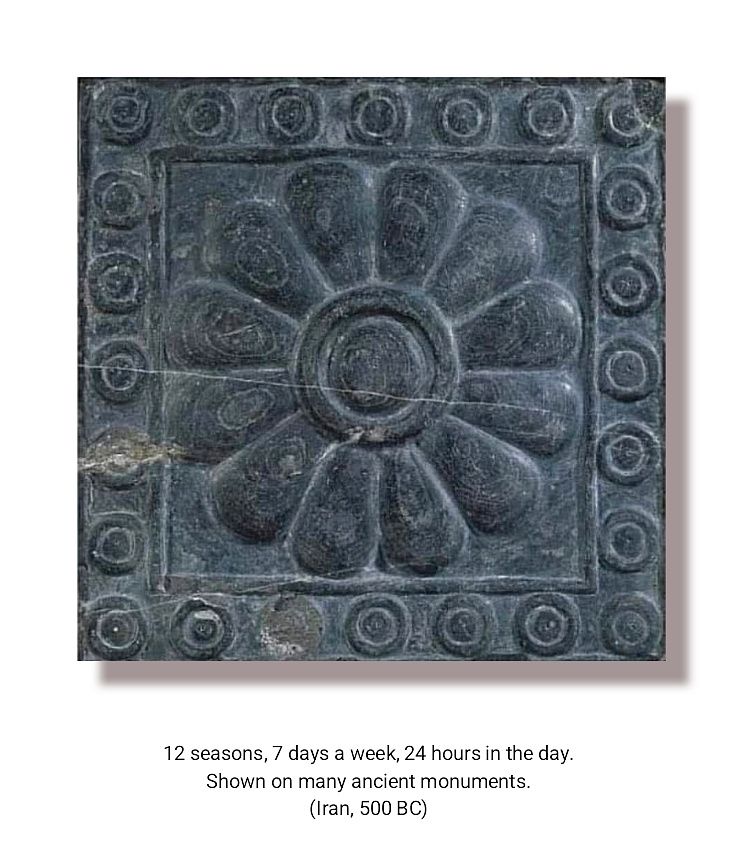
Iran, 2,500 years ago. Iranians love mathematics. The twelve seasons, surrounded by the twenty four hour day, as well the seven days in the week are shown on the tiles in all the ancient monuments. In astrology every house takes two hours. You can see how every petal lines up perfectly with two Suns. 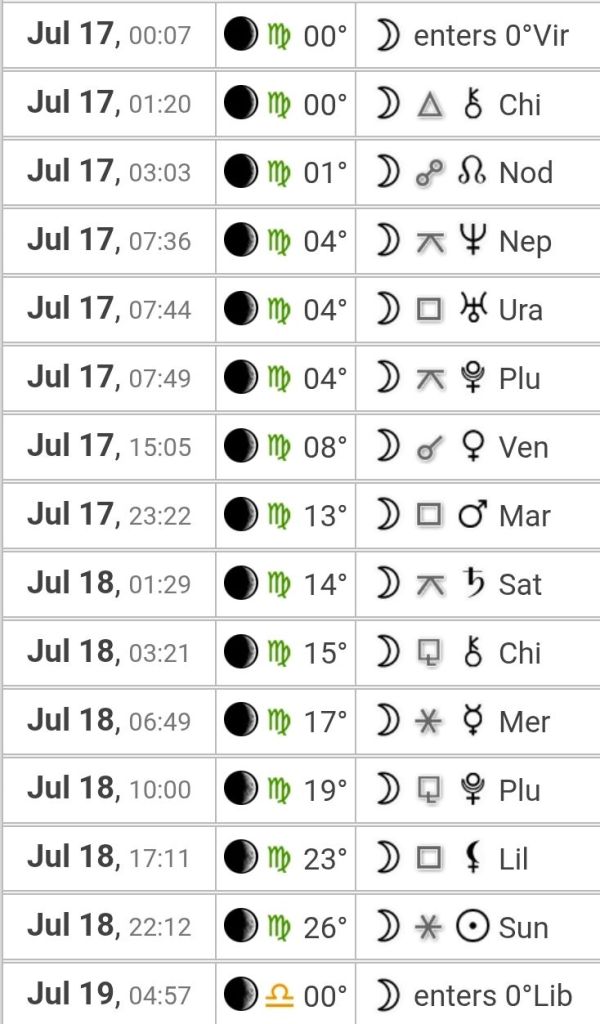
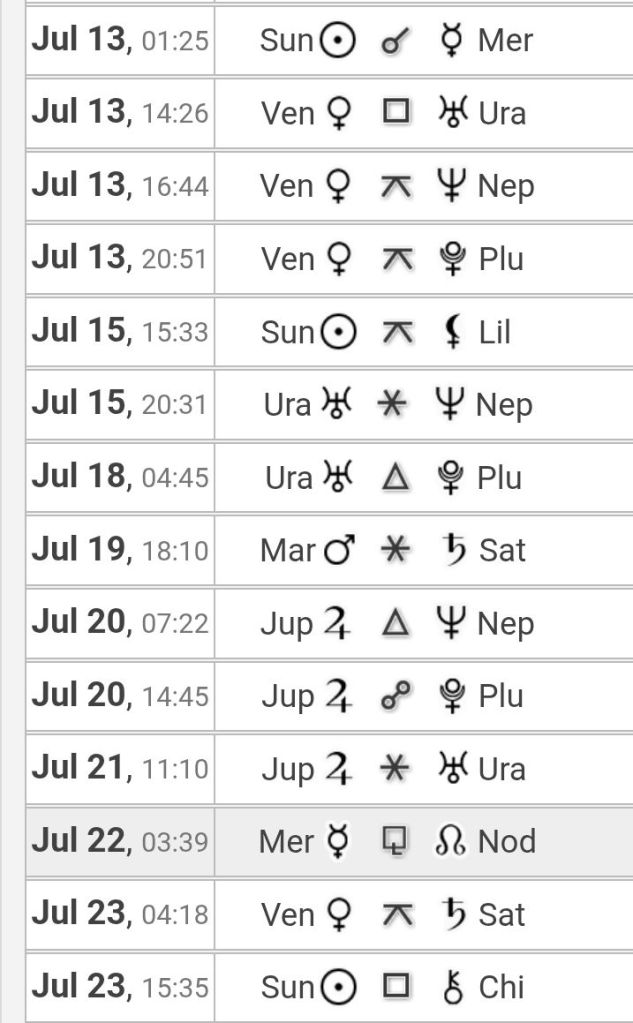
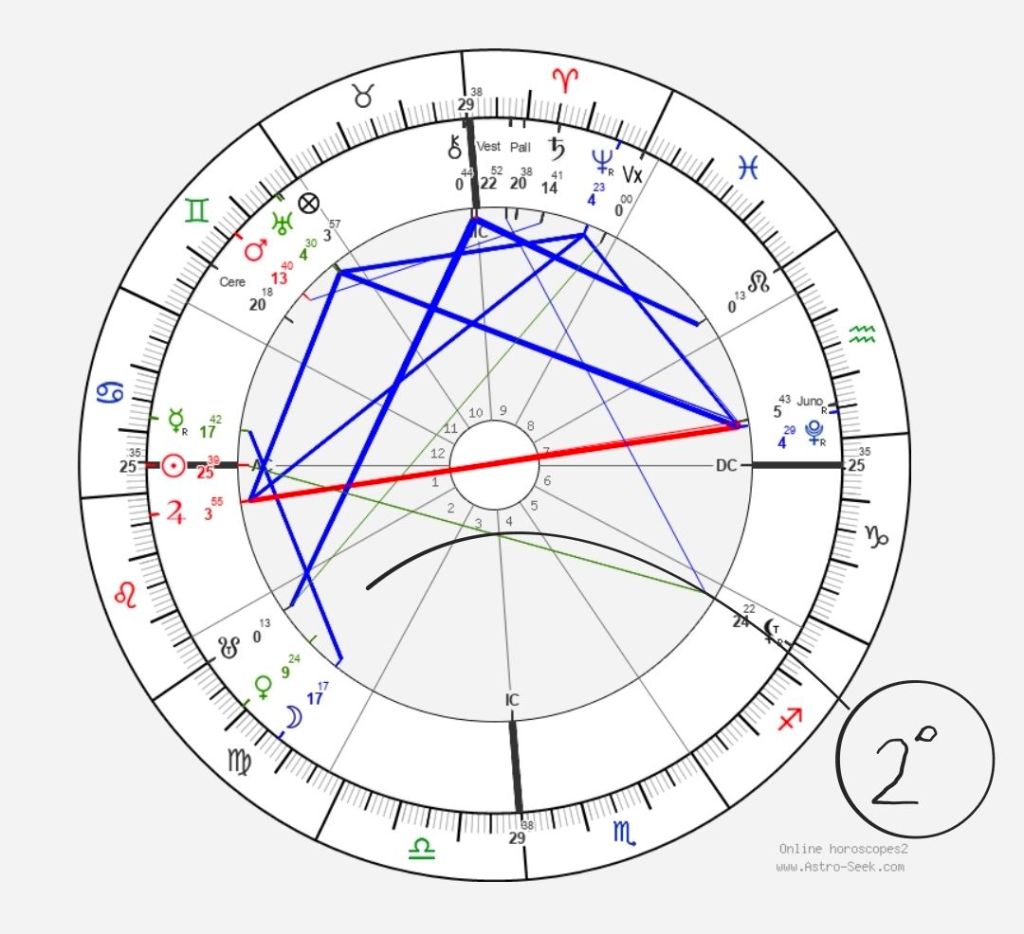
Moon in Virgo or Shahrivar ♍ – Ahuramazdan Mathematics
Iran, 2,500 years ago. Iranians love mathematics. The twelve seasons, surrounded by the twenty four hour day, as well the seven days in the week are shown on the tiles in all the ancient monuments. In astrology every house takes two hours. You can see how every petal lines up perfectly with two Suns.
Facebook
facebook.com/IranAstrology
Ahuramazdan
ahuramazdanastrology.wordpress.com
Ali Mostofi @YouTube
youtube.com/@alimostofi
#ahuramazda
#iran
#astrology
#alimostofi
#اهورامزدا
#ایران
#نجوم
#علی_مستوفی - Moon in Leo or Amordad امرداد ♌ – Ahuramazdan Gold
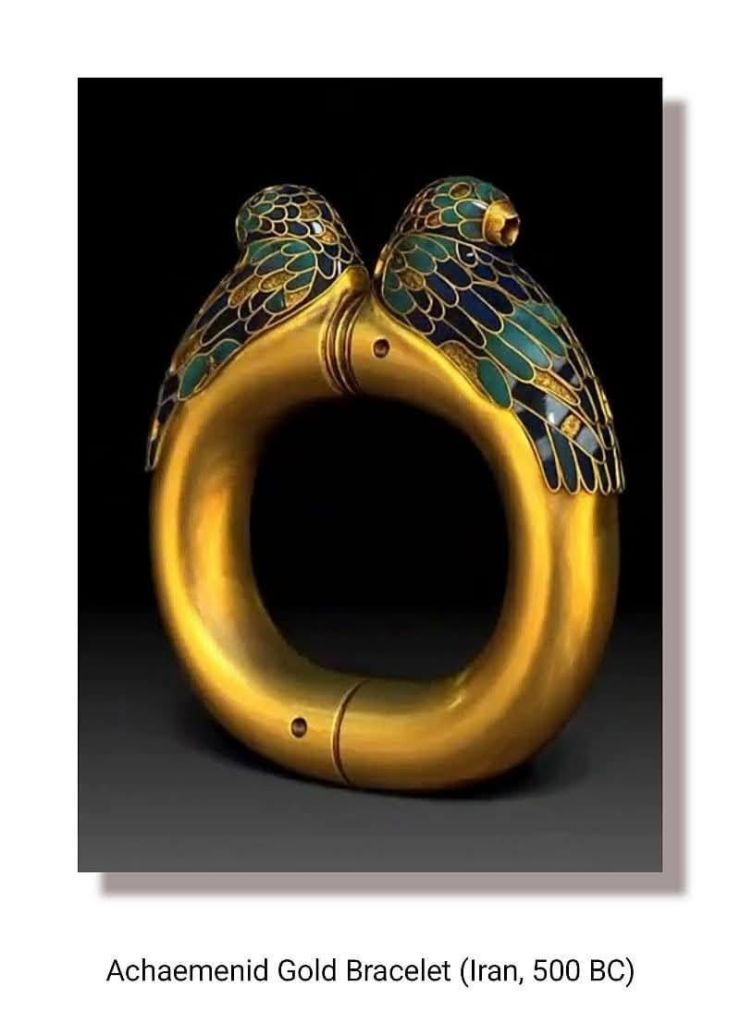
Iran, 2500 years ago. The use of turquoise in Iranian jewelry dates back thousands of years, with some of the earliest examples found in archeological sites dating to the Achaemenid Empire (550–330 BCE). 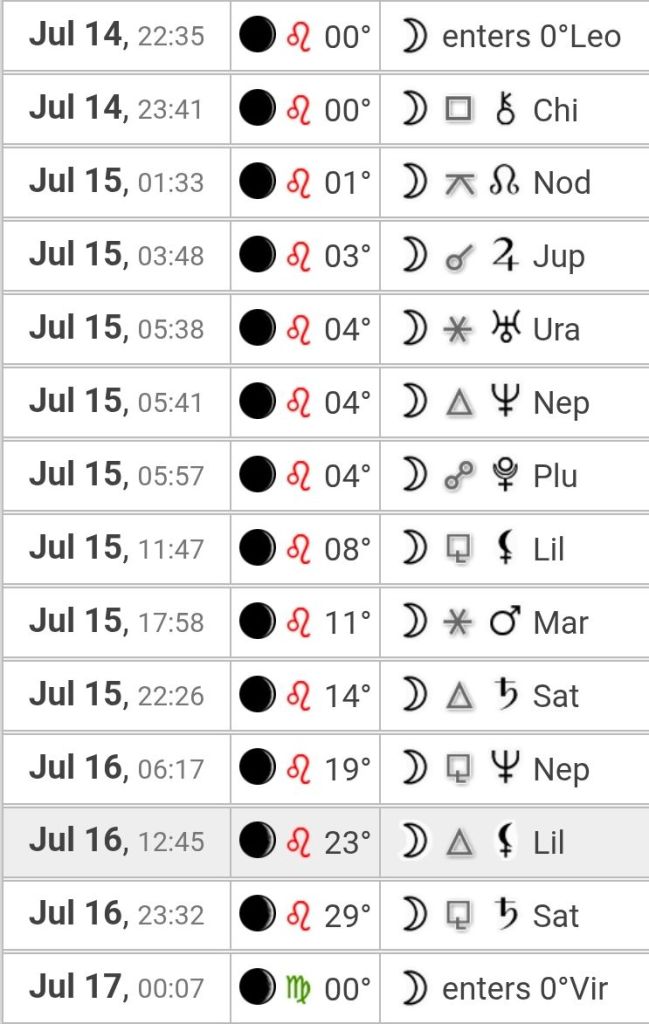
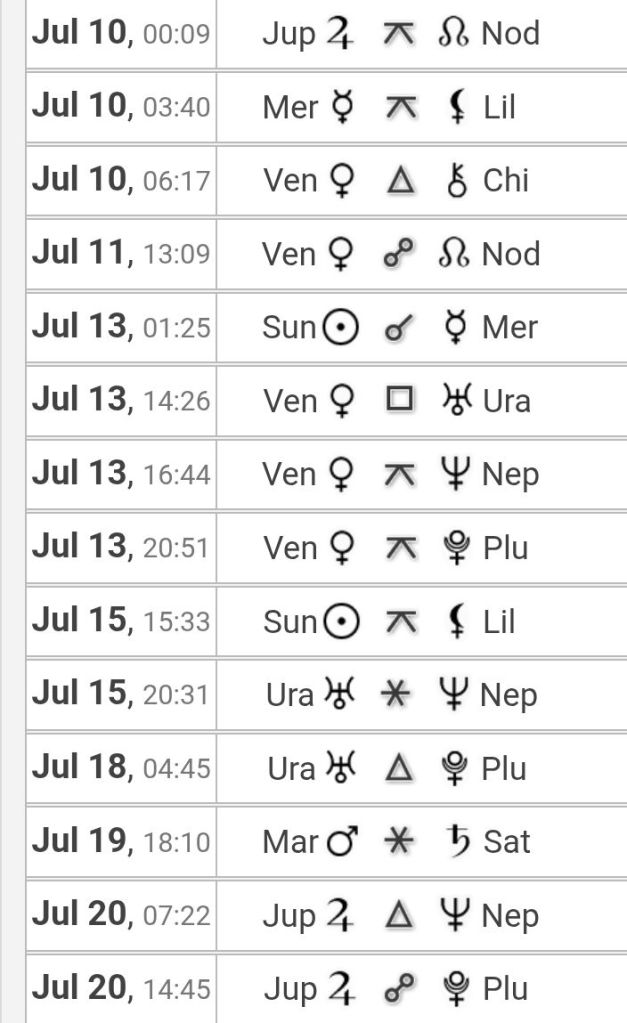
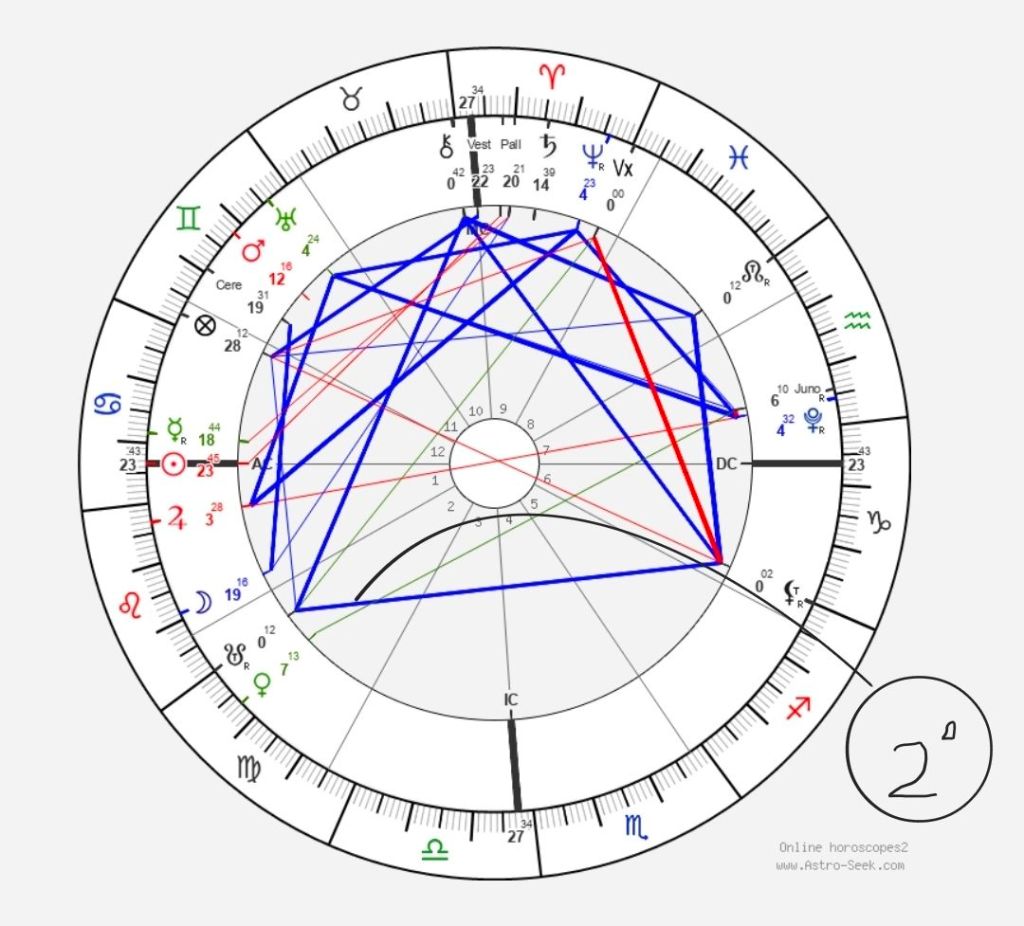
Moon in Leo or Amordad امرداد ♌ – Ahuramazdan Gold
Iran, 2500 years ago. The use of turquoise in Iranian jewelry dates back thousands of years, with some of the earliest examples found in archeological sites dating to the Achaemenid Empire (550–330 BCE).
Facebook
facebook.com/IranAstrology
Ahuramazdan
ahuramazdanastrology.wordpress.com
Ali Mostofi @YouTube
youtube.com/@alimostofi
#ahuramazda
#iran
#astrology
#alimostofi
#اهورامزدا
#ایران
#نجوم
#علی_مستوفی - Moon in Cancer or Tir تیر ♋ – Ahuramazdan Moon
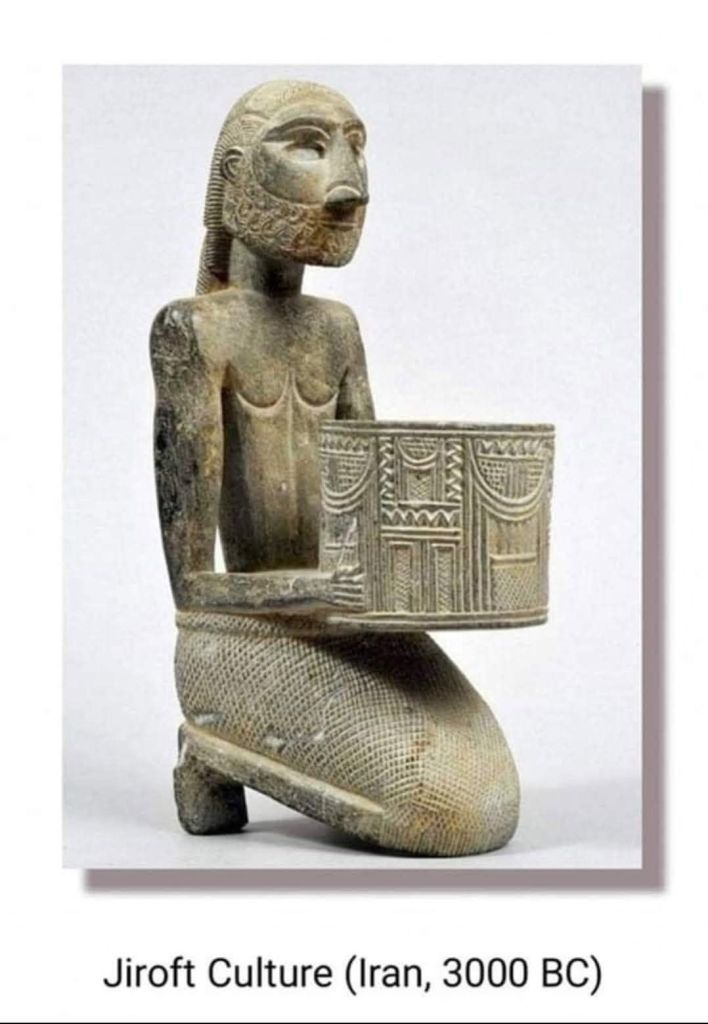
Iran 5000 years ago. The engravings on the container he is holding has lunar cycle patterns. 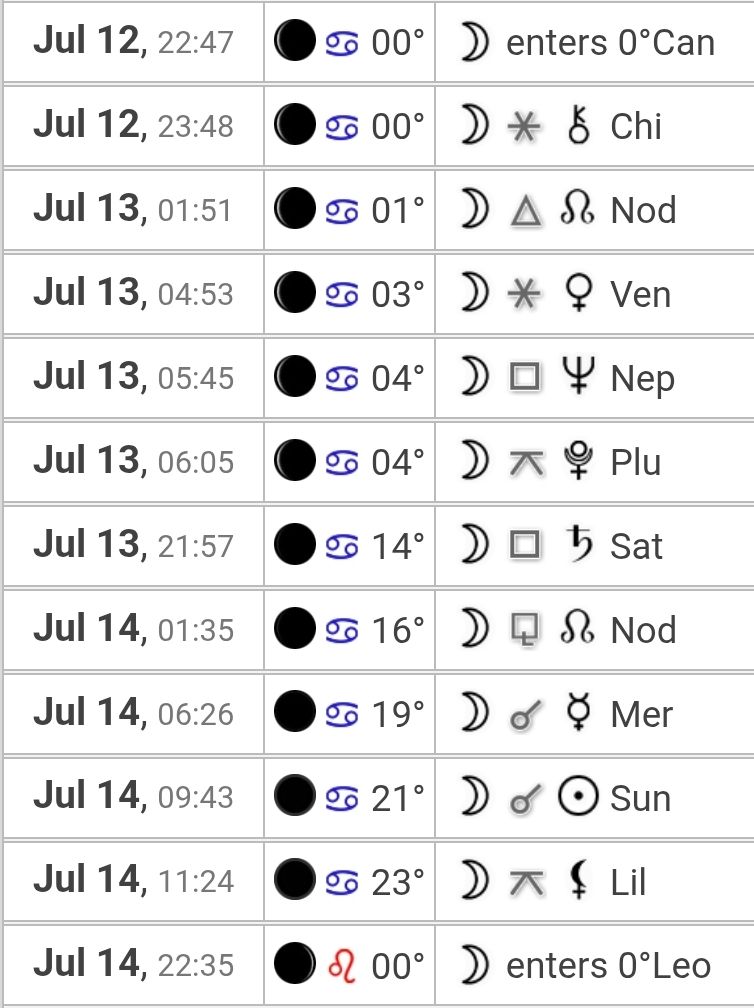
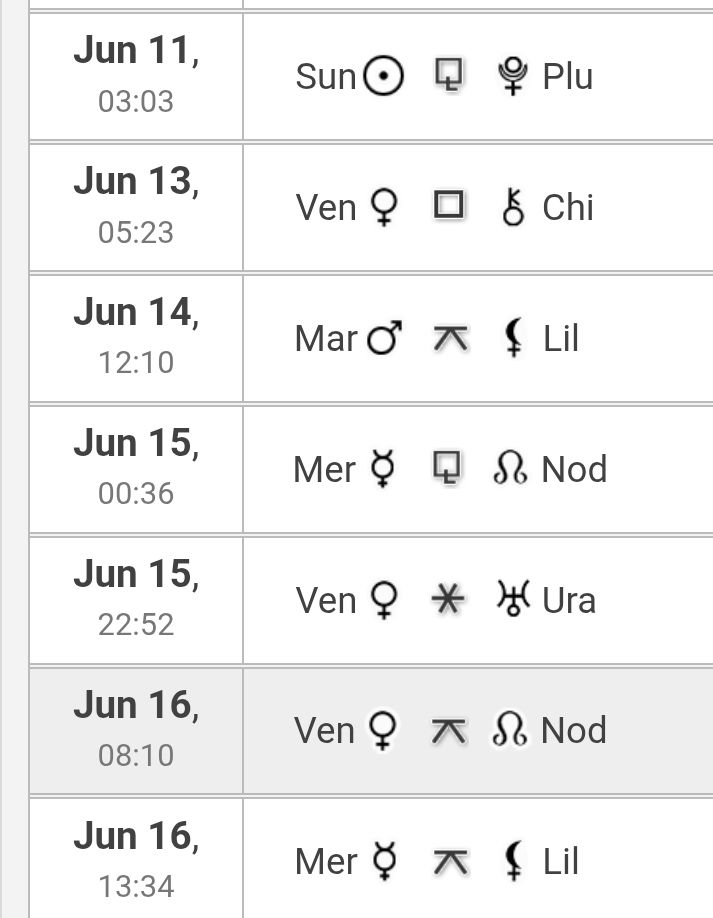
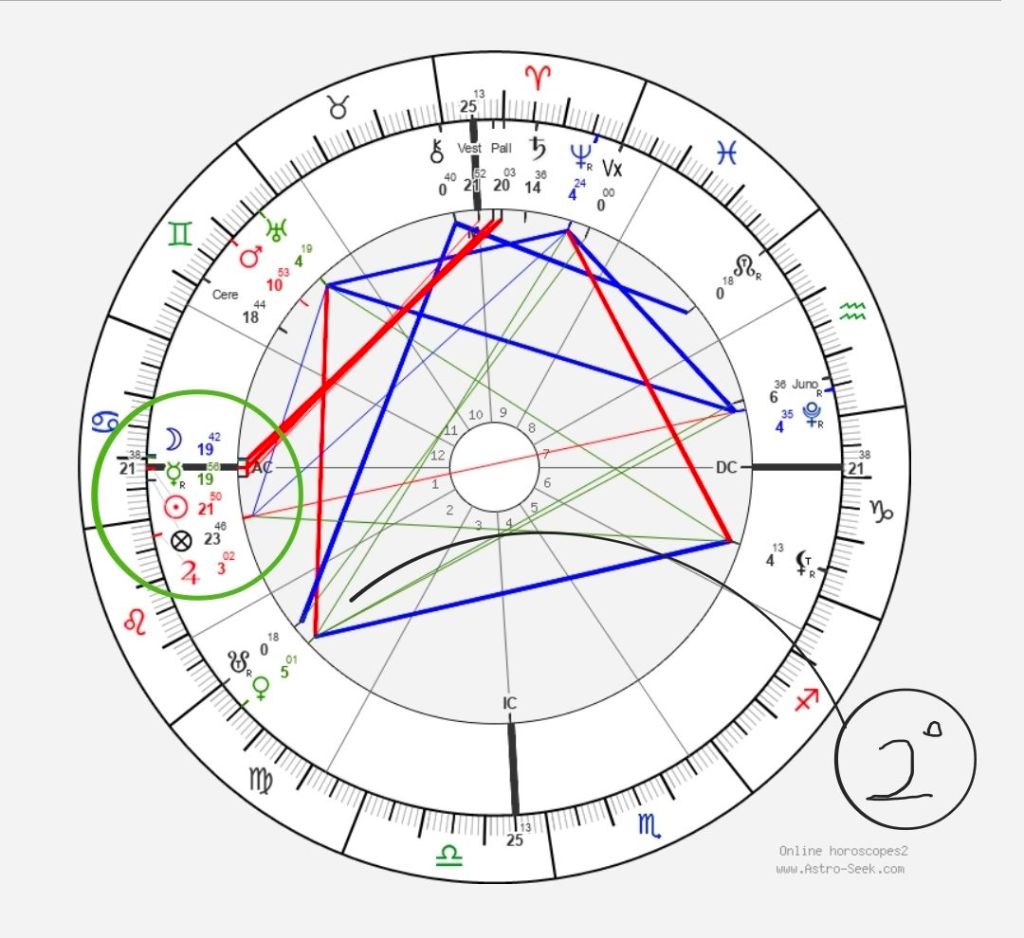
Moon in Cancer or Tir تیر ♋ – Ahuramazdan Moon
Iran 5000 years ago. The engravings on the container he is holding has lunar cycle patterns.
Facebook
facebook.com/IranAstrology
Ahuramazdan
ahuramazdanastrology.wordpress.com
Ali Mostofi @YouTube
youtube.com/@alimostofi
#ahuramazda
#iran
#astrology
#alimostofi
#اهورامزدا
#ایران
#نجوم
#علی_مستوفی - Moon in Gemini or Khordad خرداد ♊ – Ahuramazdan Logic
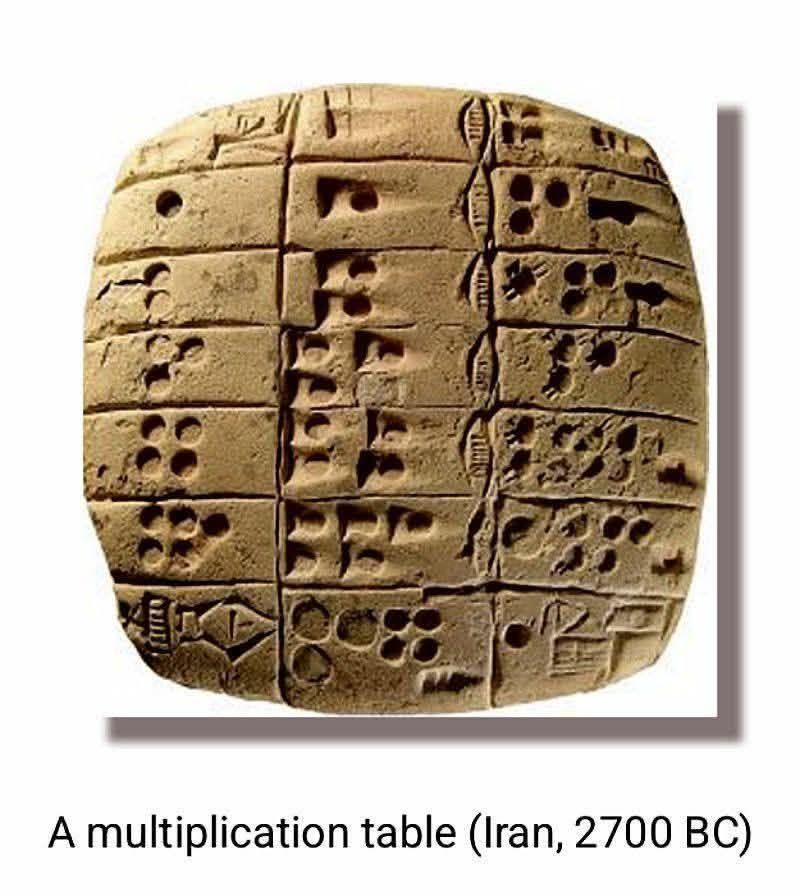
Iranian Mathematics, 4700 years ago. The oldest known clay tablet containing mathematical computations (Schøyen MS 3047) is today held in the Schøyen Collection. It is a multiplication table from 27th century BCE Sumer giving area as a product of recorded lengths. 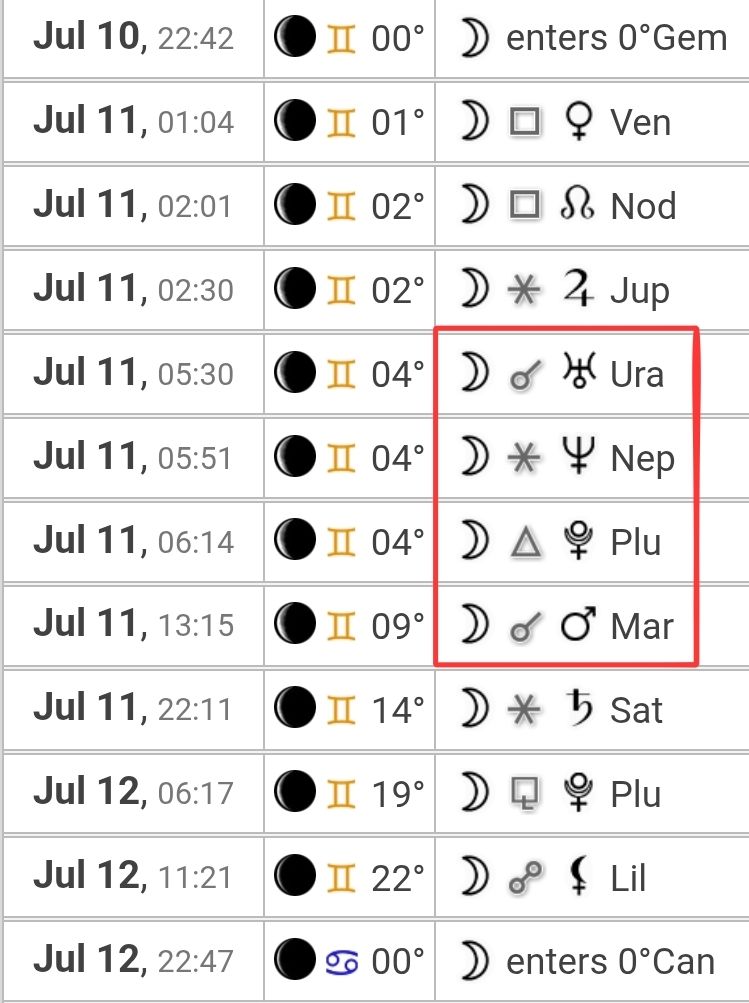
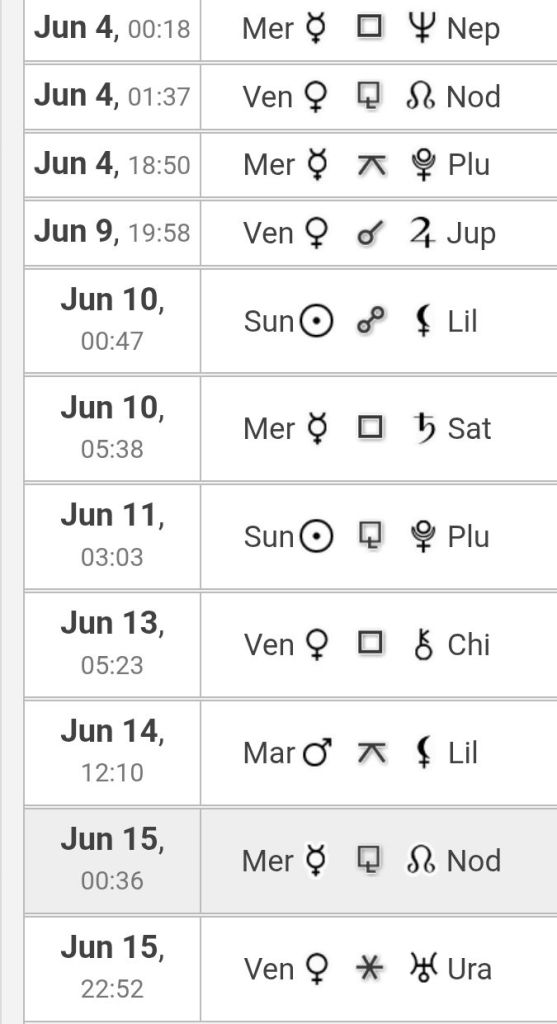
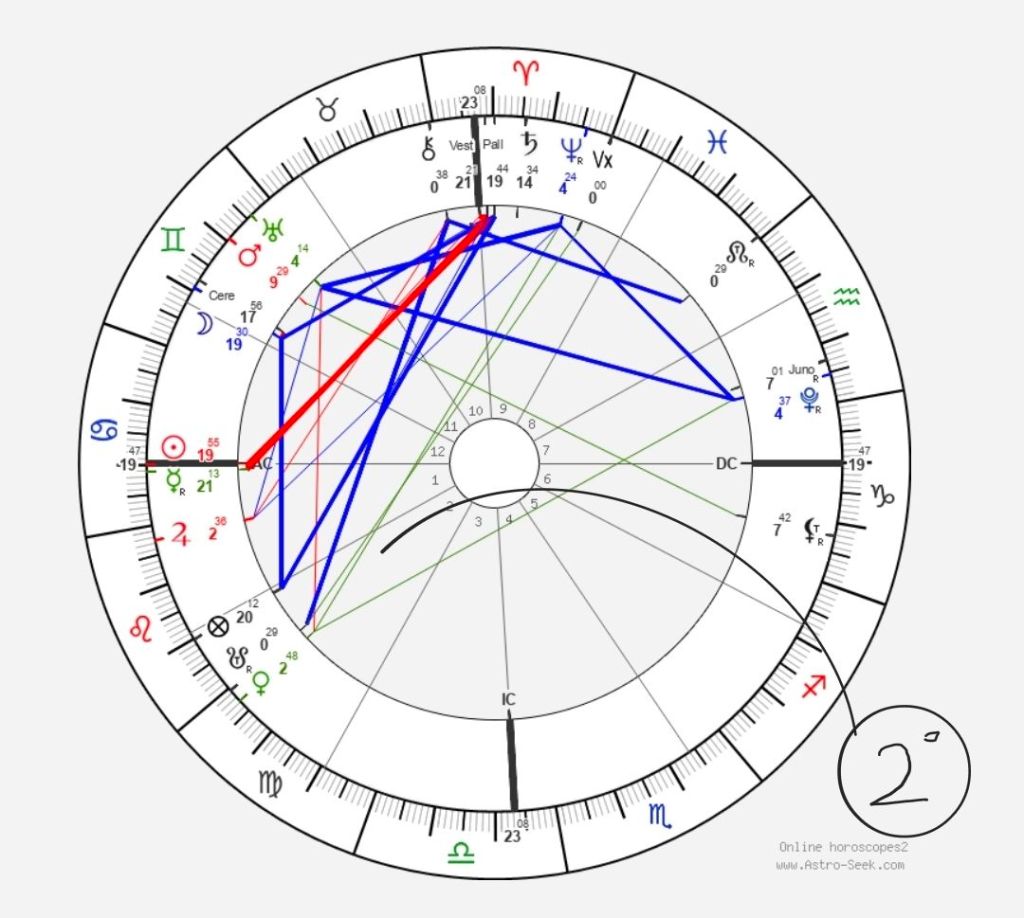
Moon in Gemini or Khordad خرداد ♊ – Ahuramazdan Logic
Iranian Mathematics, 4700 years ago. The oldest known clay tablet containing mathematical computations (Schøyen MS 3047) is today held in the Schøyen Collection. It is a multiplication table from 27th century BCE Sumer giving area as a product of recorded lengths.
Facebook
facebook.com/IranAstrology
Ahuramazdan
ahuramazdanastrology.wordpress.com
Ali Mostofi @YouTube
youtube.com/@alimostofi
#ahuramazda
#iran
#astrology
#alimostofi
#اهورامزدا
#ایران
#نجوم
#علی_مستوفی - Moon in Taurus or Ordibehesht اردیبهشت ♉ – Ahuramazdan Numbers

Iran 4,400 years ago. Ancient dices discovered at the old Burnt-City, Iran. 

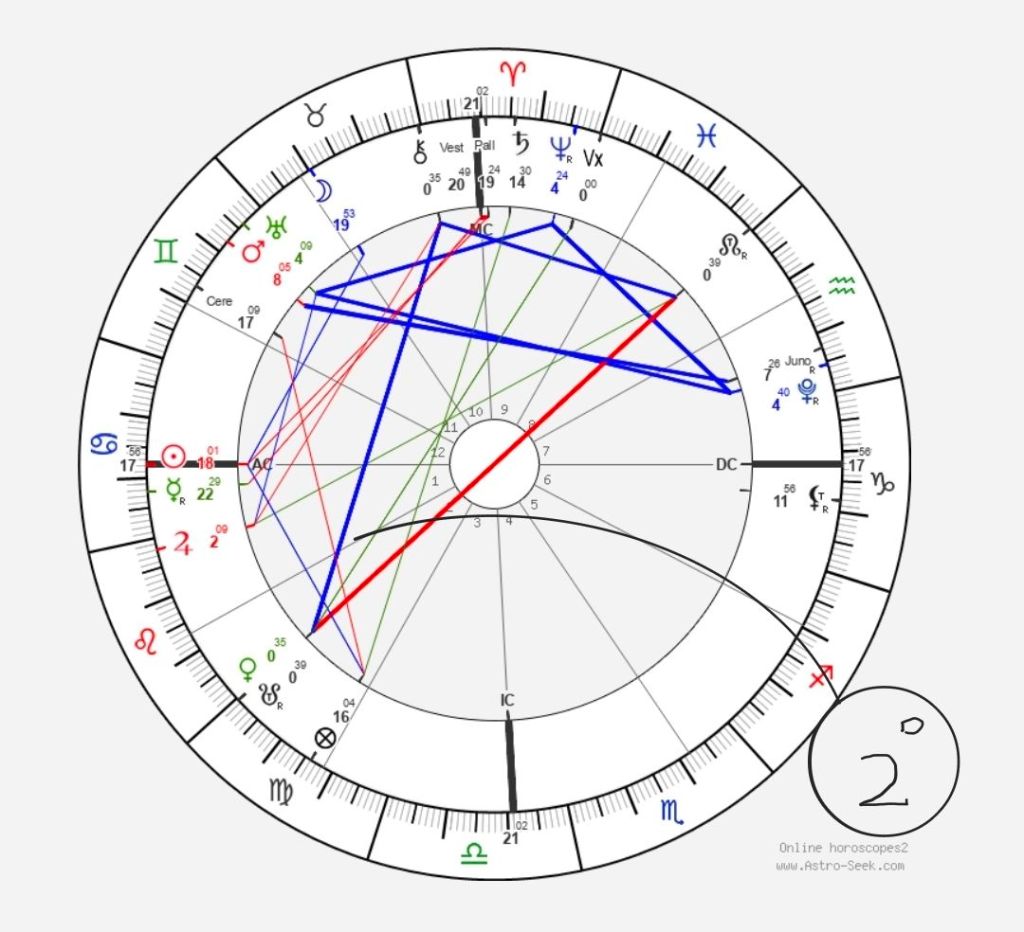
Moon in Taurus or Ordibehesht اردیبهشت ♉ – Ahuramazdan Numbers
Iran 4,400 years ago. Ancient dices discovered at the old Burnt-City, Iran.
Facebook
facebook.com/IranAstrology
Ahuramazdan
ahuramazdanastrology.wordpress.com
Ali Mostofi @YouTube
youtube.com/@alimostofi
#ahuramazda
#iran
#astrology
#alimostofi
#اهورامزدا
#ایران
#نجوم
#علی_مستوفی - The Next Major Astrological Moment for Iran.
The Next Major Astrological Moment for Iran. It is from December 2026 to May 2027 when Mars transits the 4th House of opposition on the Islamic Republic progressed chart. It is clear that Mars will create a huge opposition force against the regime. The diagrams show the hard aspects leading to that date and the exact dates.
بزرگترین لحظه اخترشناختی بعدی برای ایران. این بازه از دسامبر ۲۰۲۶ تا مه ۲۰۲۷ است، زمانی که مریخ از خانه چهارم تقابل در چارت پیشرفته (Progressed Chart) جمهوری اسلامی عبور میکند. واضح است که مریخ یک نیروی مخالف عظیم علیه رژیم ایجاد خواهد کرد. نمودارها جنبههای دشوار منتهی به آن تاریخ و تاریخهای دقیق را نشان میدهند.
#Iran
#Astrology
#ایران
#نجوم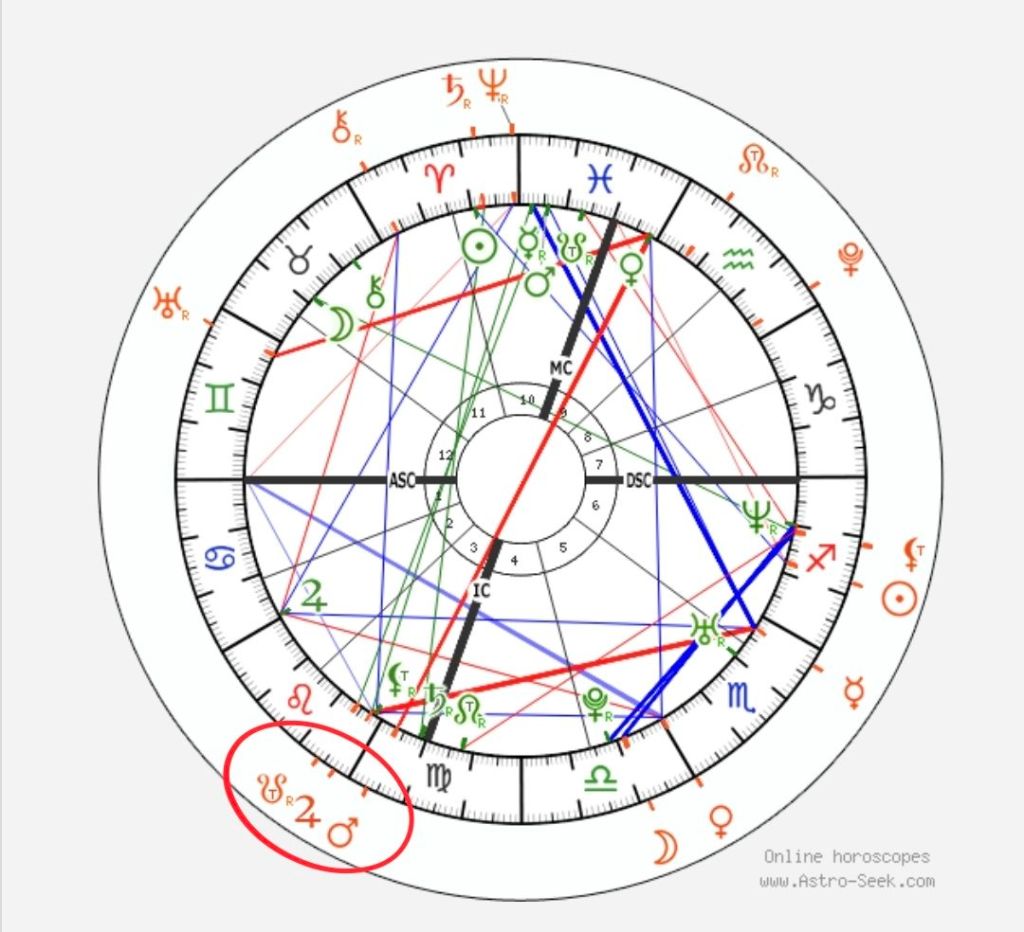
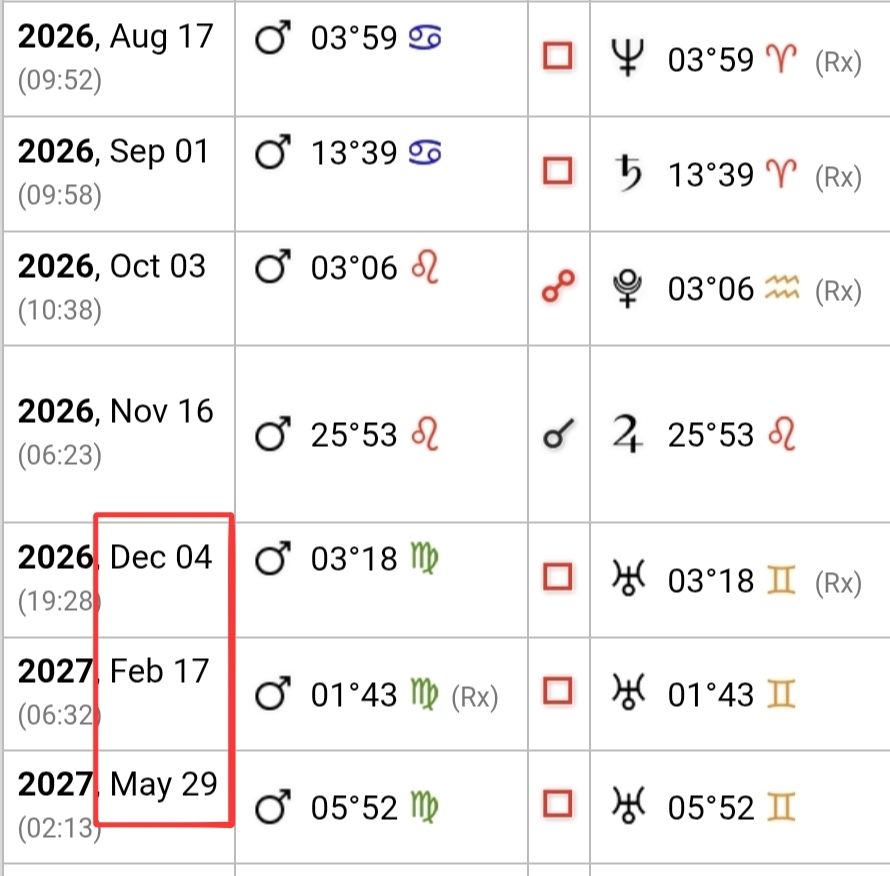
- Moon in Aries or Farvardin – Ahuramazdan Ram
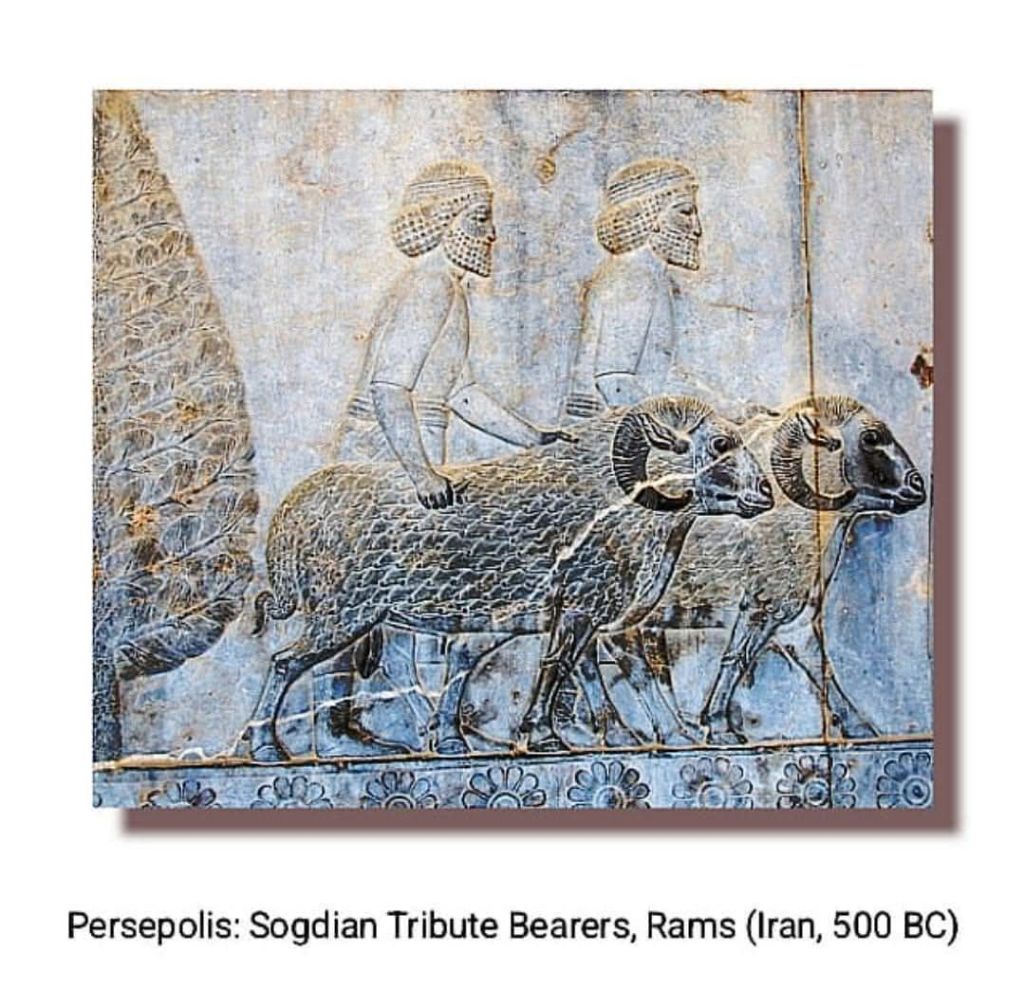
Domestication of animals, was very important for ancient Iranian people. It’s so important, that it is engraved on the walls of Persepolis for eternity. 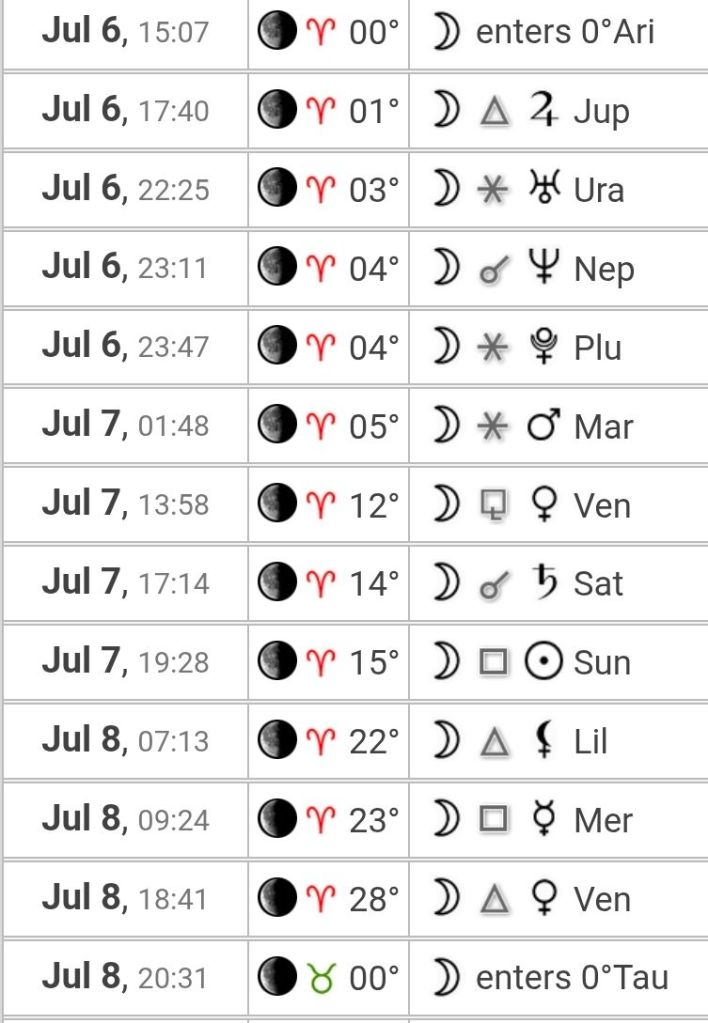
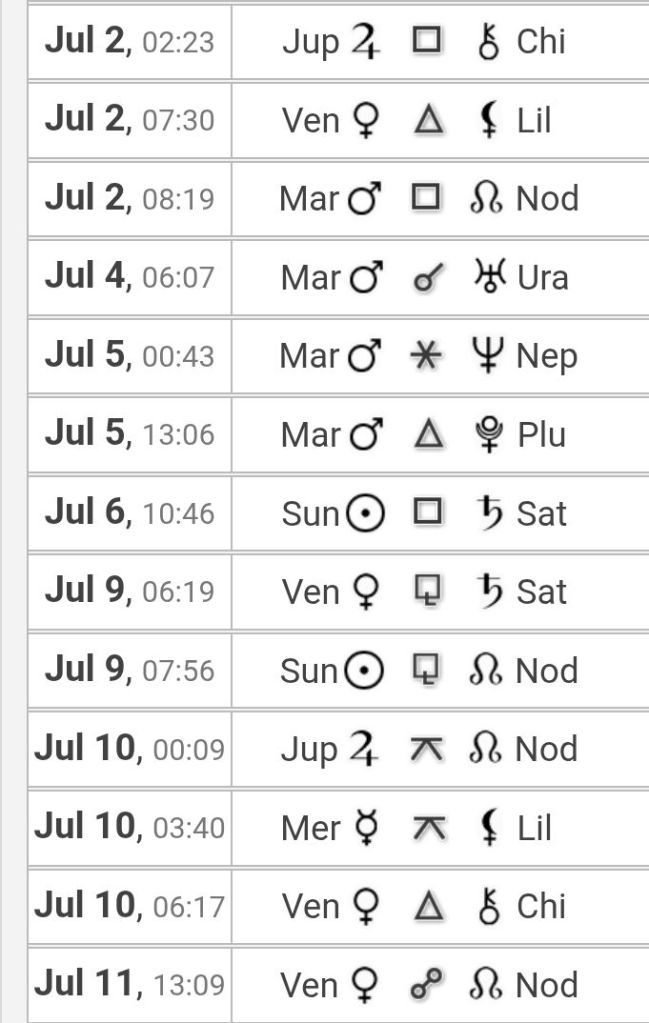
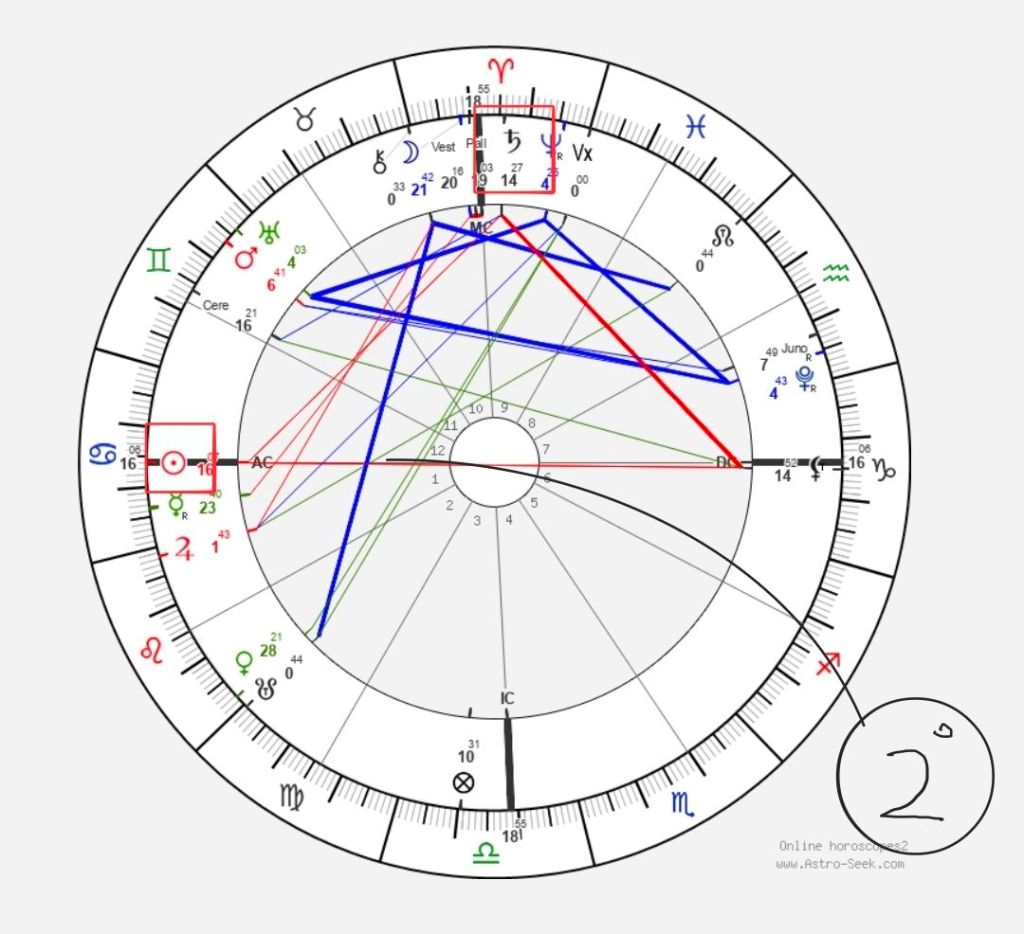
Moon in Aries or Farvardin – Ahuramazdan Ram
Domestication of animals, was very important for ancient Iranian people. It’s so important, that it is engraved on the walls of Persepolis for eternity.
Facebook
facebook.com/IranAstrology
Ahuramazdan
ahuramazdanastrology.wordpress.com
Ali Mostofi @YouTube
youtube.com/@alimostofi
#ahuramazda
#iran
#astrology
#alimostofi
#اهورامزدا
#ایران
#نجوم
#علی_مستوفی - Moon in Pisces or Esfand اسفند ♓ – Ahuramazdan Wine
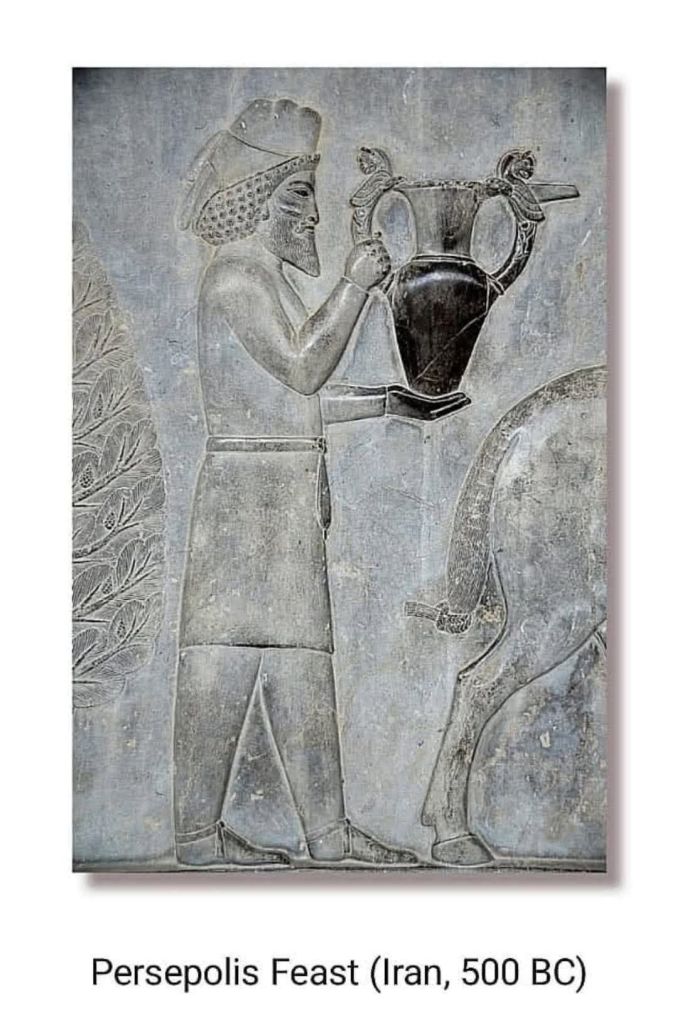
Wine was made in Iran, from as far back as 5400–5000 BC. 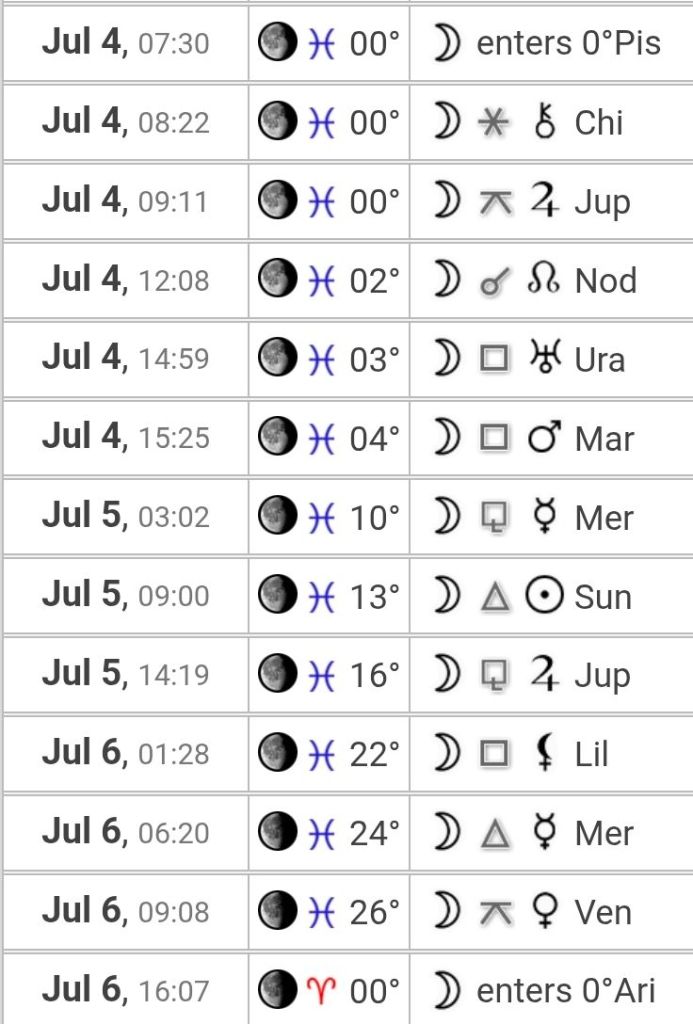
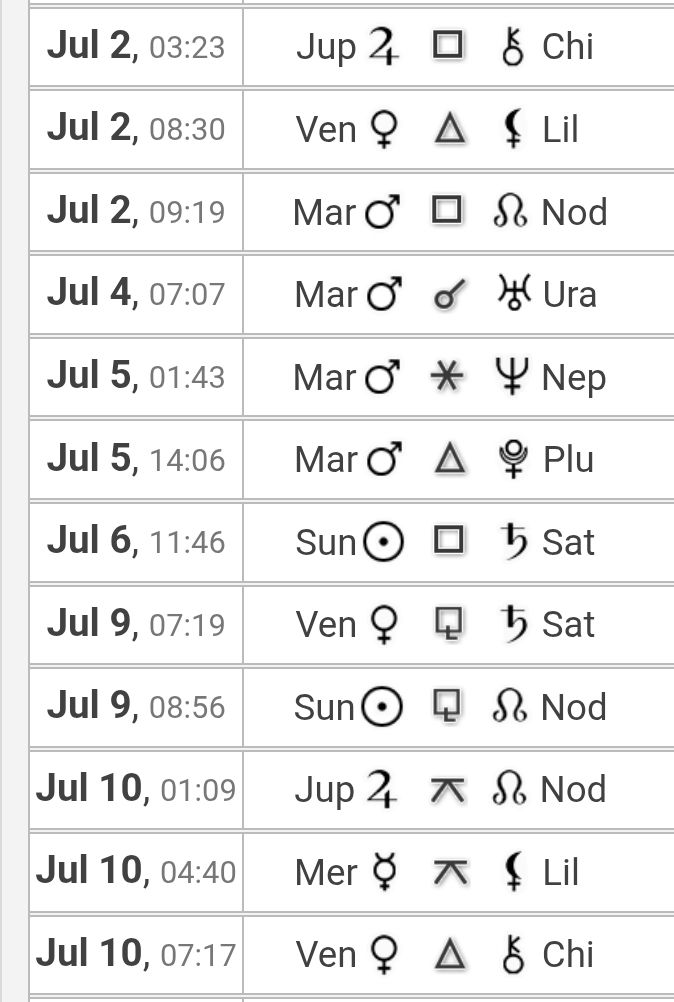
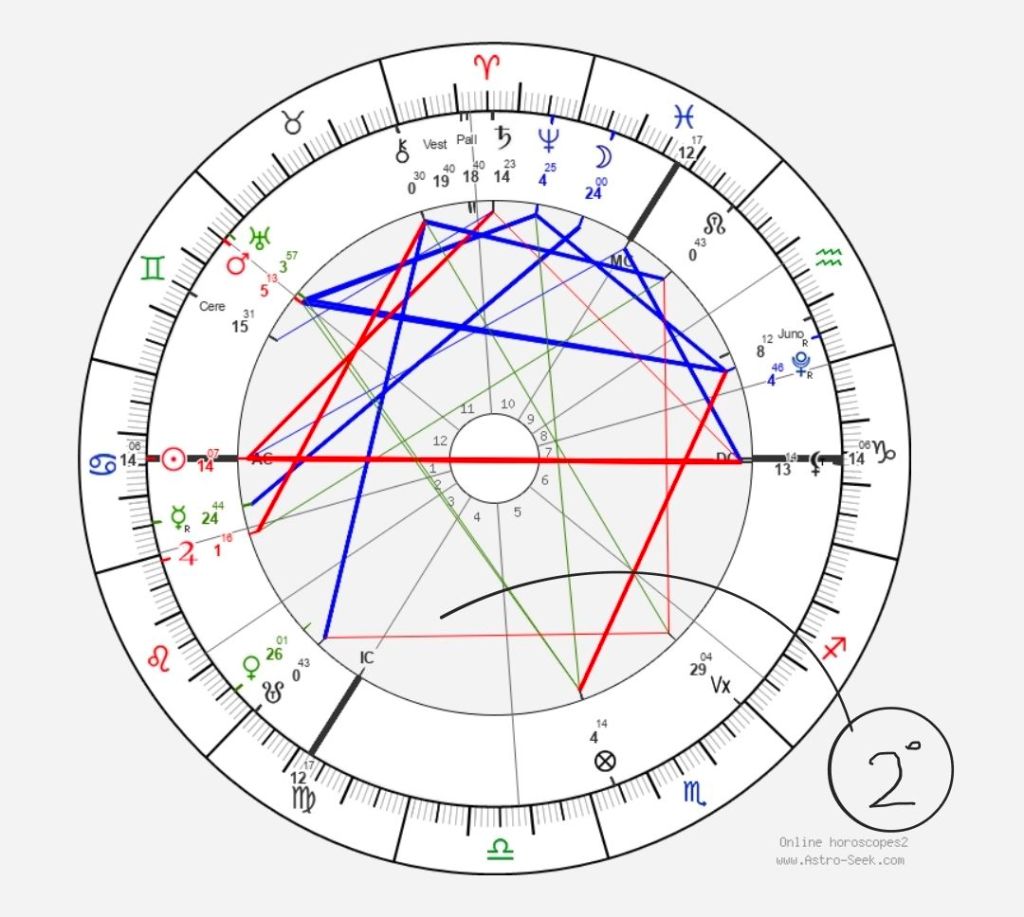
Moon in Pisces or Esfand اسفند ♓ – Ahuramazdan Wine
Wine was made in Iran, from as far back as 5400–5000 BC.
Facebook
facebook.com/IranAstrology
Ahuramazdan
ahuramazdanastrology.wordpress.com
Ali Mostofi @YouTube
youtube.com/@alimostofi
#ahuramazda
#iran
#astrology
#alimostofi
#اهورامزدا
#ایران
#نجوم
#علی_مستوفی - Moon in Aquarius or Bahman بهمن ♒ – Ahuramazdan Comradery
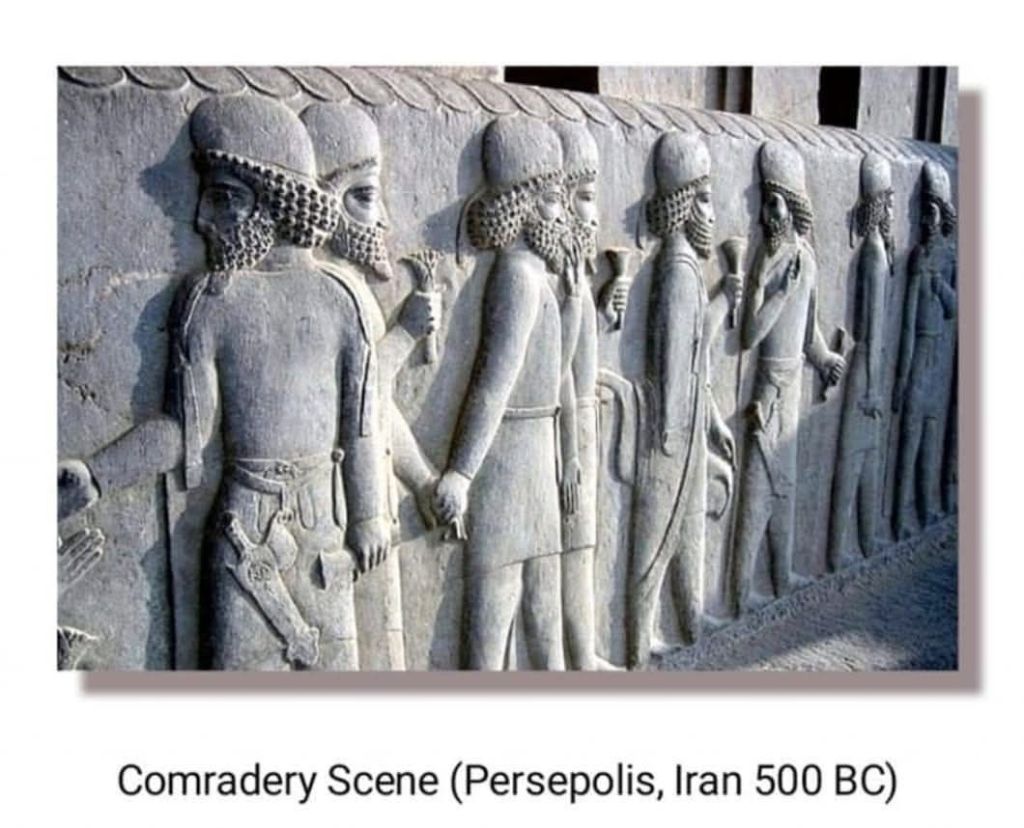
Iran, 2500 years ago. Comradery was big in Iran 2500 years ago. Persepolis has it ingraved on its walls. 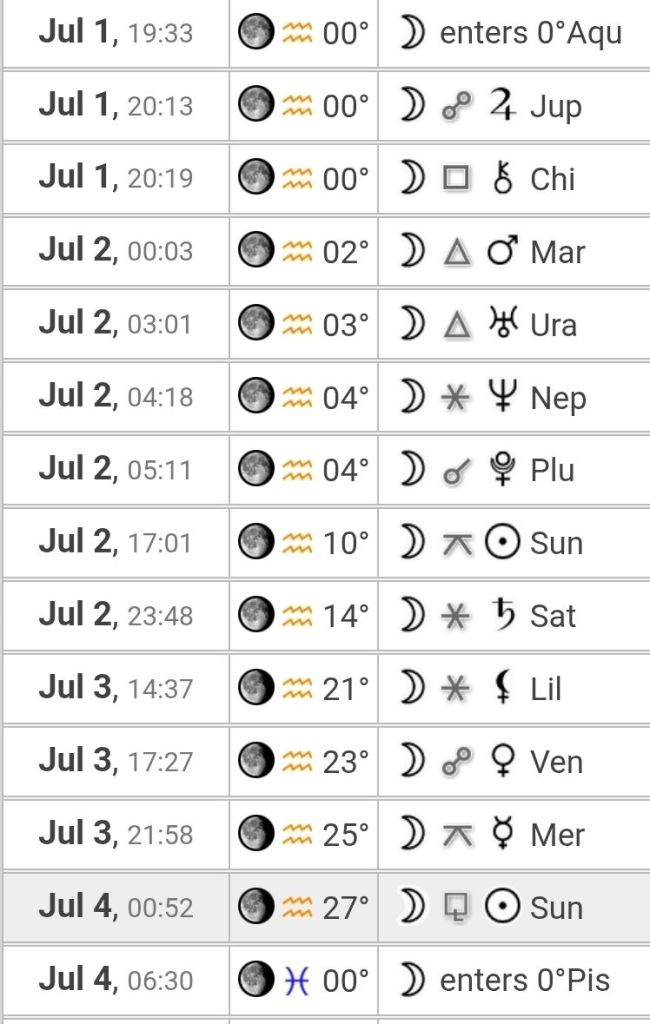
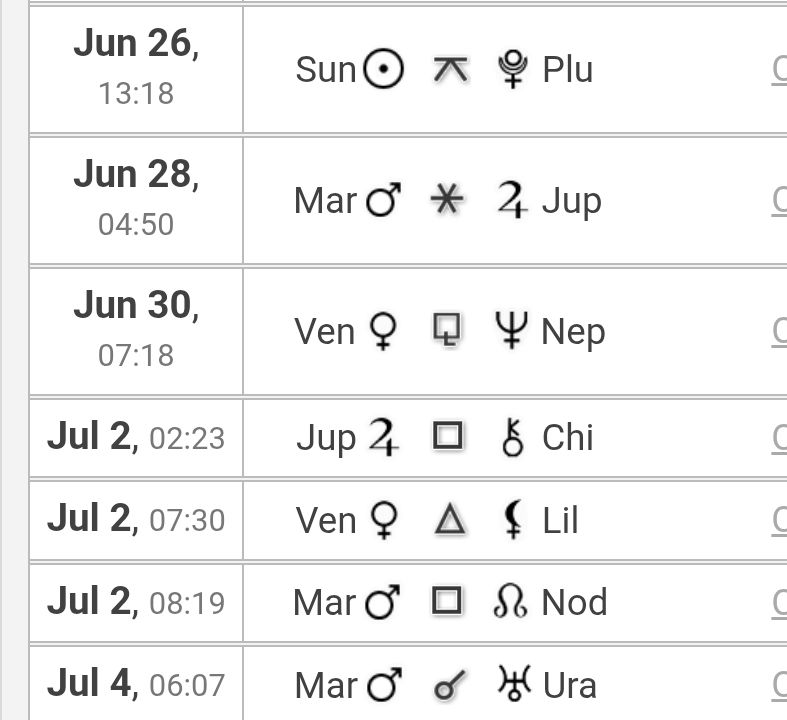
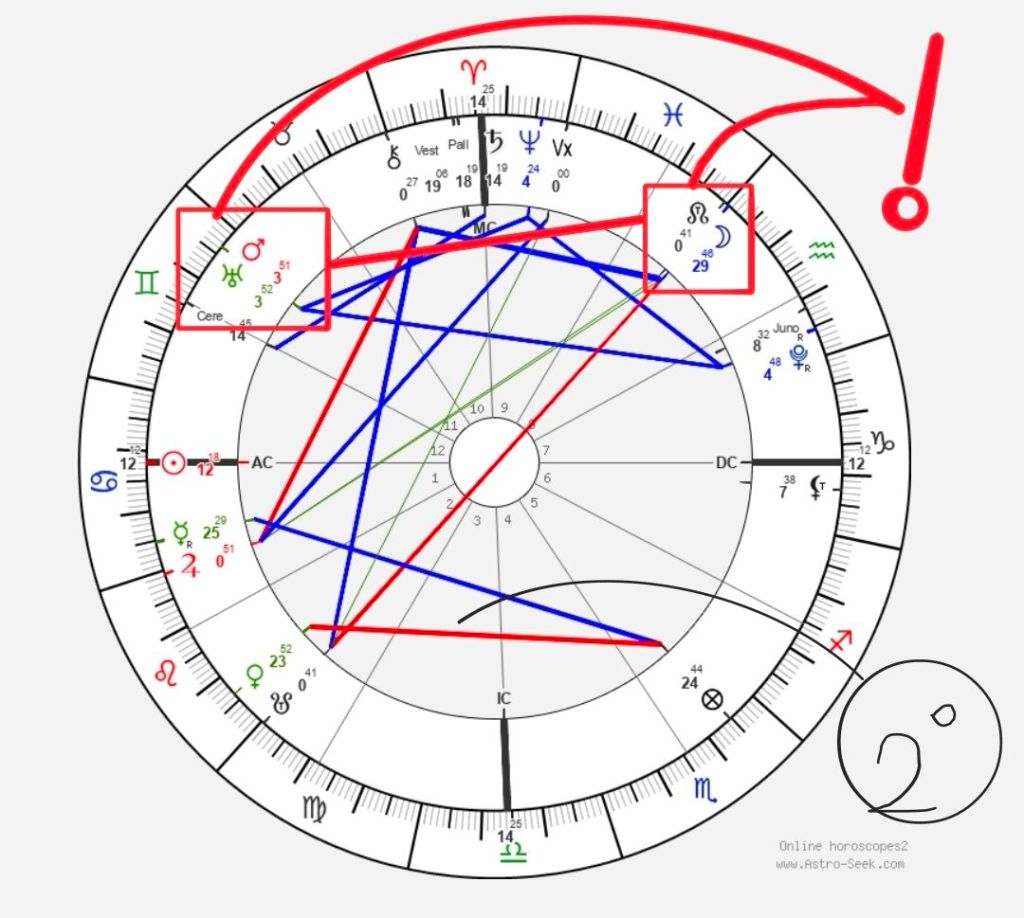
Moon in Aquarius or Bahman بهمن ♒ – Ahuramazdan Comradery
Iran, 2500 years ago. Comradery was big in Iran 2500 years ago. Persepolis has it ingraved on its walls.
Facebook
facebook.com/IranAstrology
Ahuramazdan
ahuramazdanastrology.wordpress.com
Ali Mostofi @YouTube
youtube.com/@alimostofi
#ahuramazda
#iran
#astrology
#alimostofi
#اهورامزدا
#ایران
#نجوم
#علی_مستوفی - Moon in Capricorn or Day دی ♑ – Ahuramazdan Authority
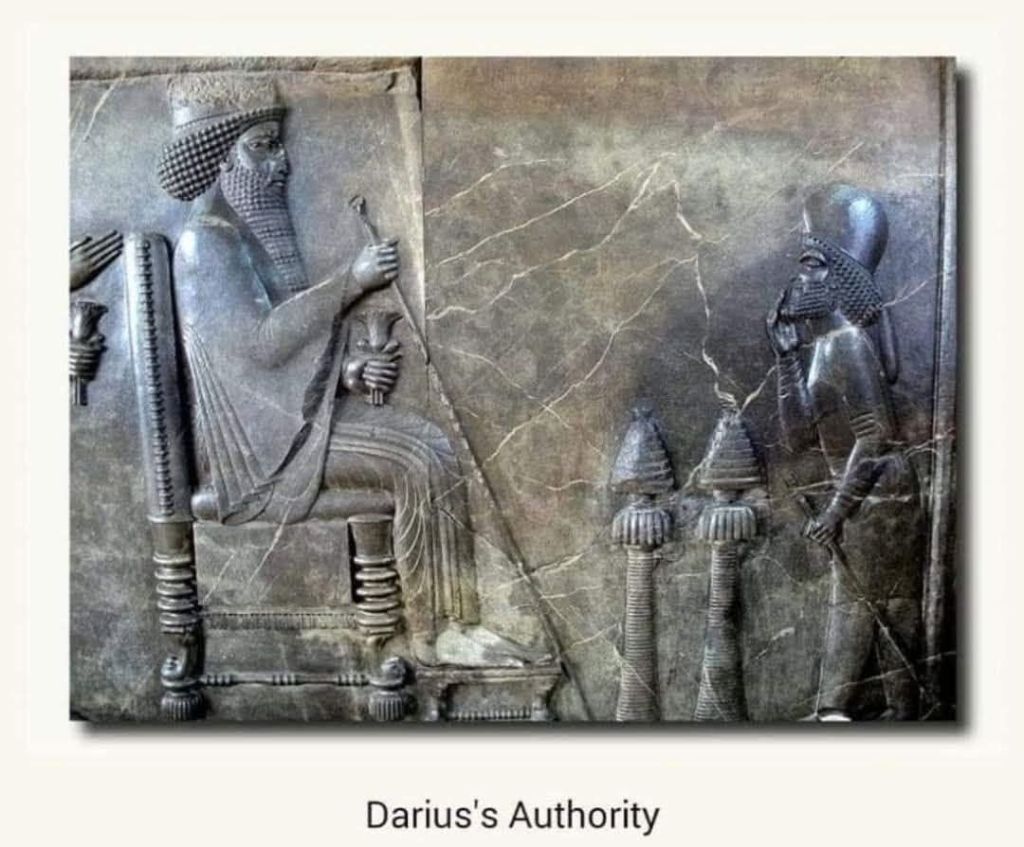
World’s first empire 2500 years ago in Iran, was based on respect for authority, not fear, to keep the peace with human rights. Human rights was born in Iran. 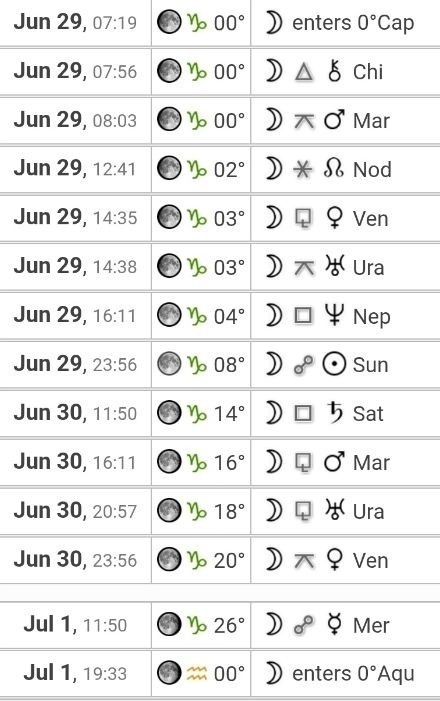
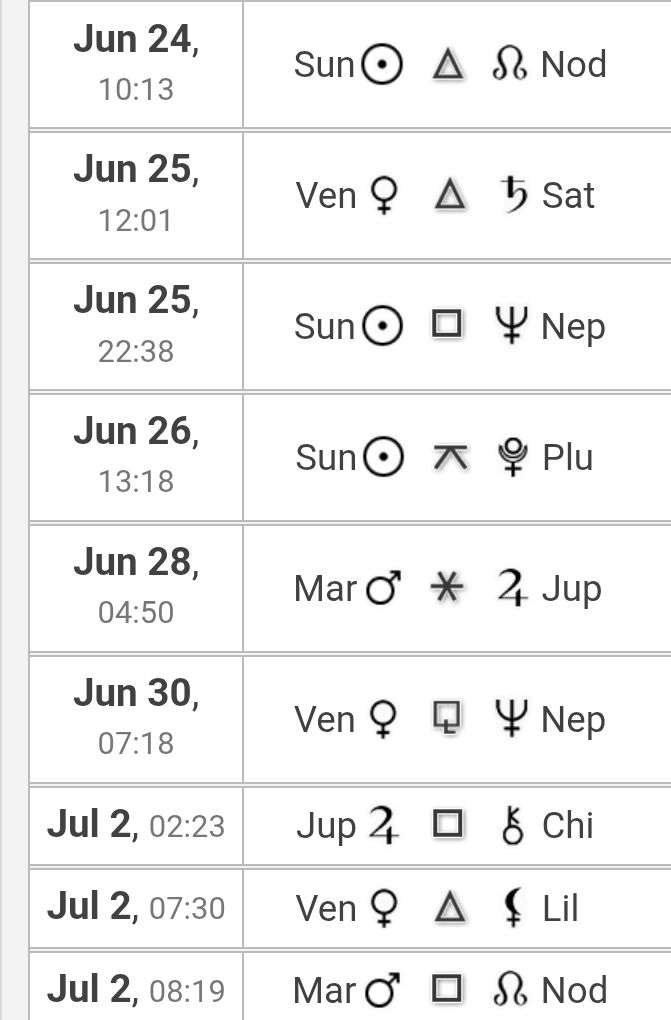
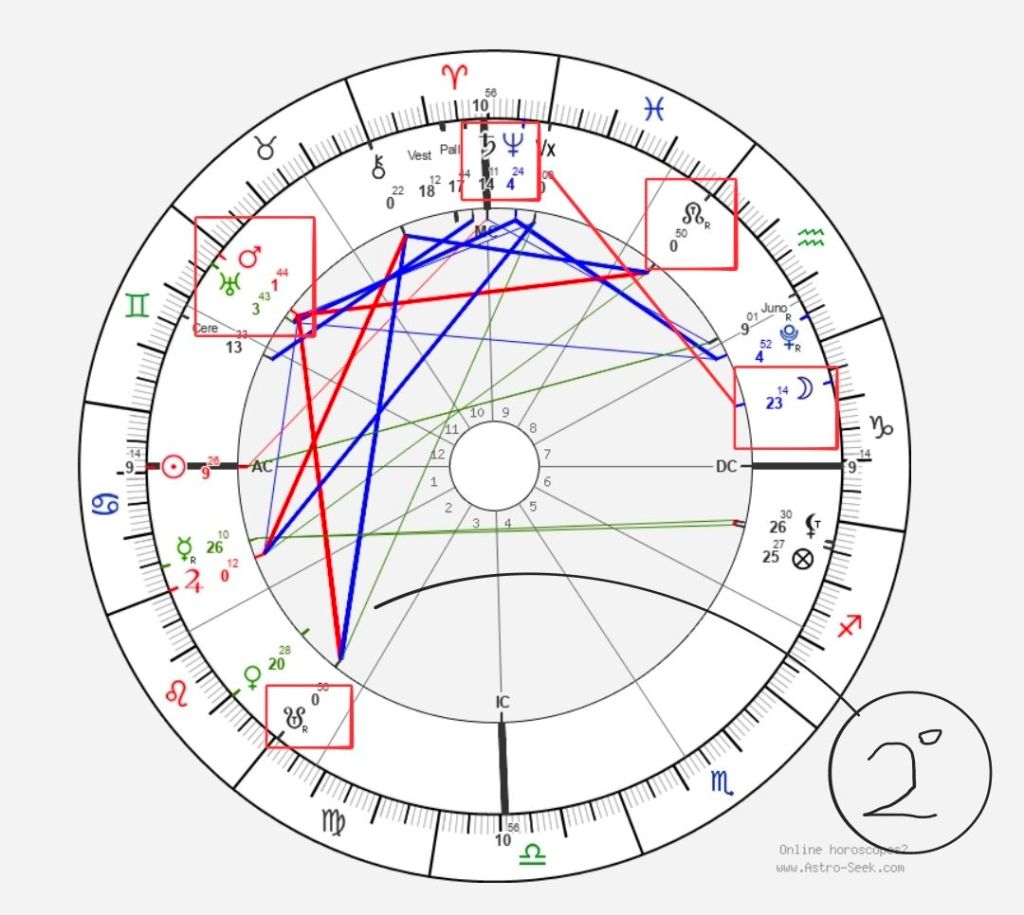
Moon in Capricorn or Day دی ♑ – Ahuramazdan Authority
World’s first empire 2500 years ago in Iran, was based on respect for authority, not fear, to keep the peace with human rights. Human rights was born in Iran.
Facebook
facebook.com/IranAstrology
Ahuramazdan
ahuramazdanastrology.wordpress.com
Ali Mostofi @YouTube
youtube.com/@alimostofi
#ahuramazda
#iran
#astrology
#alimostofi
#اهورامزدا
#ایران
#نجوم
#علی_مستوفی - Moon in Sagittarius or Azar آذر ♐ – Ahuramazdan Belief
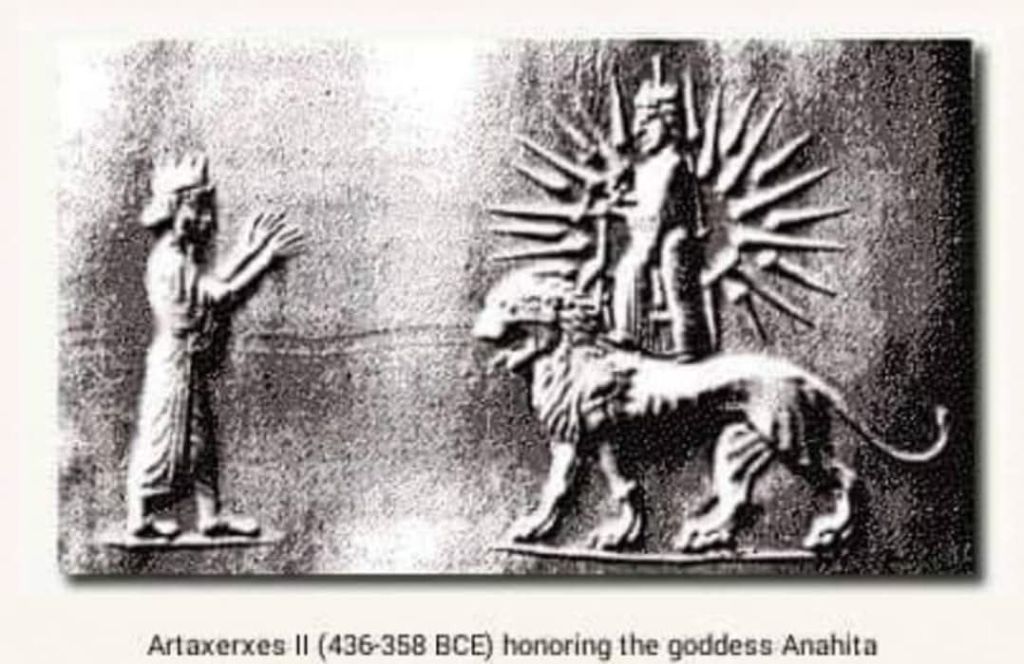
Flag of Shia Kings of Iran. This sacred ancient image, of the Lion and Sun from 2500 years ago, was used by much younger religious groups, like the Shia community, and their Shia Kings, in the Lion and Sun flag, by adding an Islamic sword to it شمشیر ذوالفقار. Totally ridiculous. It must never happen in the new Ahuramazdan Iran 🕊️. 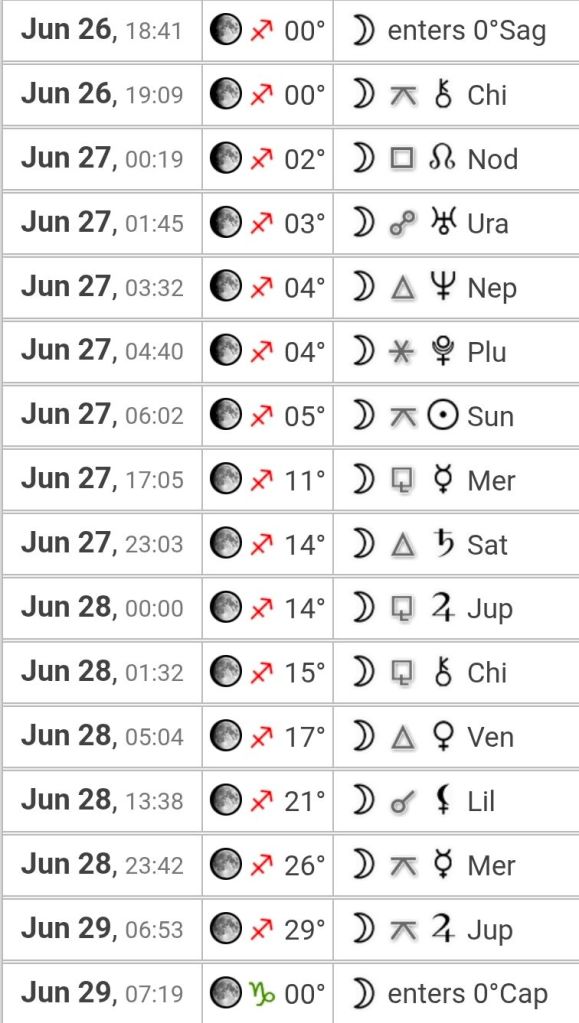
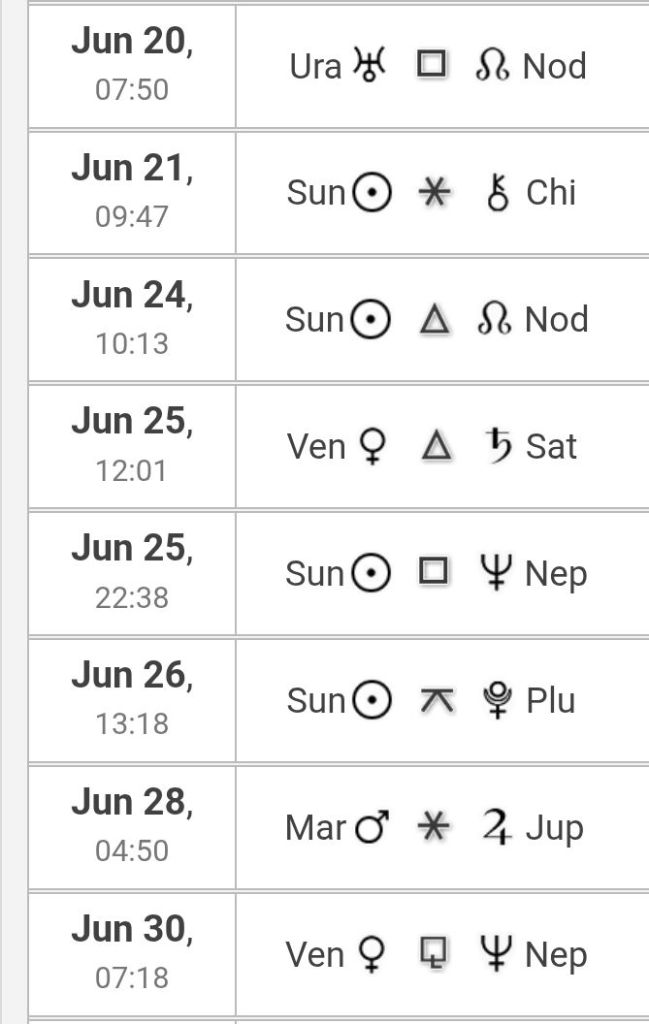
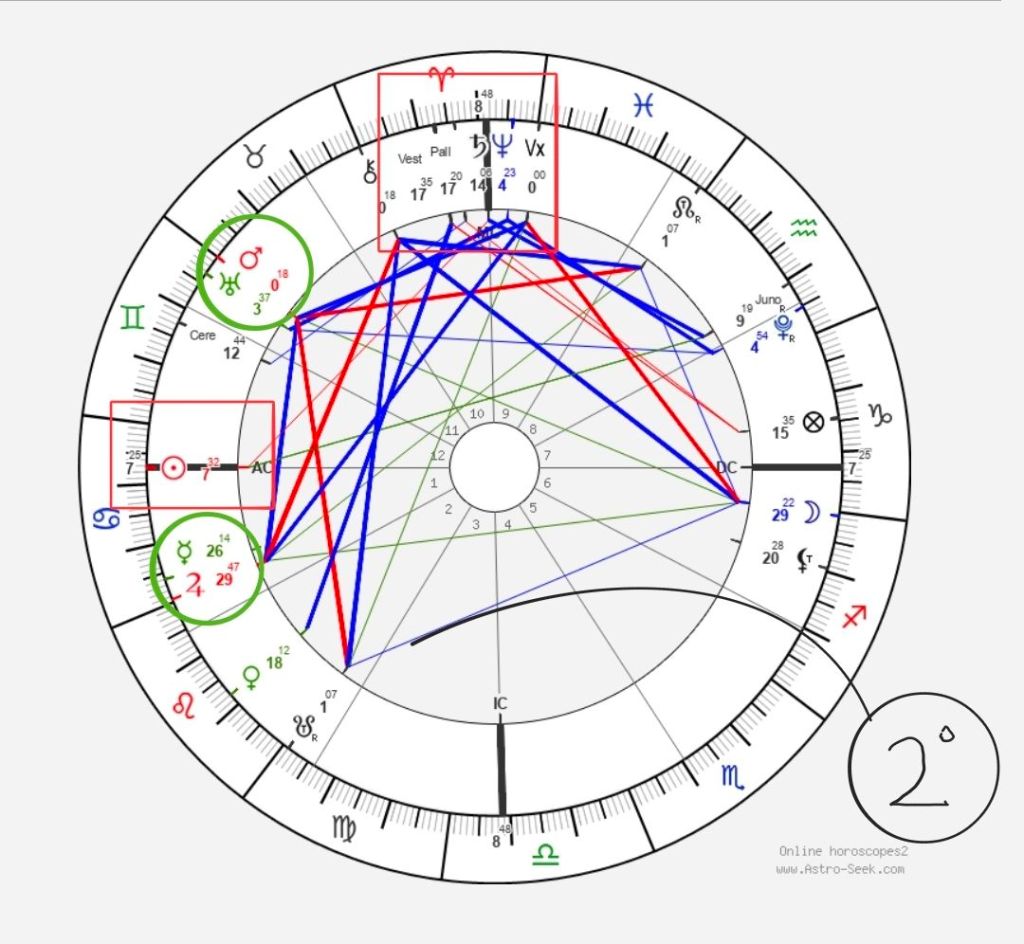
Moon in Sagittarius or Azar آذر ♐ – Ahuramazdan Belief
Flag of Shia Kings of Iran. This sacred ancient image, of the Lion and Sun from 2500 years ago, was used by much younger religious groups, like the Shia community, and their Shia Kings, in the Lion and Sun flag, by adding an Islamic sword to it شمشیر ذوالفقار. Totally ridiculous. It must never happen in the new Ahuramazdan Iran 🕊️.
Facebook
facebook.com/IranAstrology
Ahuramazdan
ahuramazdanastrology.wordpress.com
Ali Mostofi @YouTube
youtube.com/@alimostofi
#ahuramazda
#iran
#astrology
#alimostofi
#اهورامزدا
#ایران
#نجوم
#علی_مستوفی - The Celestial Foundation and the Science of Ahuramazda Ameshaspenta بنیاد آسمانی و دانش اهورامزدا امشاسپندان
Synopsis: The Celestial Foundation and the Science of Ahuramazda Ameshaspenta
Unlock the empirical foundations of ancient celestial mathematics. This research reclaims the Ahuramazda Ameshaspenta—the advanced wisdom of the Magi—by transitioning from traditional 2D astrology to a rigorous 3D thermodynamic model. We analyze the dialectic of Ohrmazd (structure) and Ahriman (entropy) through precise longitudinal and latitudinal measurements, including inclination and disinclination. Positioning humanity as the “Human Engine,” this study provides a diagnostic framework for applying the triad of Good Thoughts, Good Words, and Good Deeds to navigate modern complexities. Discover how ancient Iranian scientific principles serve as a precise tool for current market analysis and personal decision-making at citystats.co.uk.خلاصه: بنیاد آسمانی و دانش اهورامزدا امشاسپندان
با مبانی تجربی ریاضیات آسمانی آشنا شوید. این پژوهش با گذار از اخترشناسی دوبعدی به یک مدل سهبعدی ترمودینامیکی، دانش کهن «مغها» یا همان اهورامزدا امشاسپندان را احیا میکند. ما تنش دیالکتیکی میان اهورمزد (ساختار) و اهریمن (آنتروپی) را با استفاده از اندازهگیریهای دقیق طولی و عرضی (شامل میل و انحراف) تحلیل میکنیم. با معرفی انسان به عنوان «موتور کیهانی»، این مقاله چارچوبی تشخیصی برای بهکارگیری «پندار، گفتار و کردار نیک» جهت هدایت پیچیدگیهای مدرن ارائه میدهد. کشف کنید که چگونه اصول علمی ایران باستان به ابزاری دقیق برای تحلیل بازار و تصمیمگیریهای هوشمندانه در citystats.co.uk تبدیل میشوند.
English Video
English Podcast
ویدیو فارسی
پادکست فارسی
The Celestial Foundation: Reclaiming the Science of Ahuramazda Ameshaspenta
Introduction: Reclaiming Ancient Science
This section introduces the origins of celestial mathematics, tracing the science back to the foundational wisdom of ancient Iran. We explore how the seven entities—the Sun, the Moon, and the five visible planets—form the Ameshaspenta, and how this knowledge, long suppressed, is being reclaimed through modern empirical research at citystats.co.uk.
Long before the era of telescopes, our ancestors utilized their unaided eyes to observe and measure the seven entities—the Sun, the Moon, and the five visible planets.
These were the seven energies known as the Ameshaspenta.
This system, which the West refers to as the knowledge of the Magi (derived from the word mags, meaning “brains” or “intelligence”), was meticulously eradicated by Abrahamic inquisitions that burned the libraries of Iran, Egypt, and Rome to replace empirical knowledge with dogma.
However, science is indestructible; as we rebuild our understanding of the universe, we continuously rediscover that these principles were perfected millennia ago.
Today, at citystats.co.uk, we have expanded upon these original seven to include a much larger number of stellar entities.
Furthermore, our research goes beyond simple two-dimensional mapping; we measure both longitudinal and latitudinal angles, including inclination and disinclination, to track parallels and contra-parallels.
By doing so, we have developed a fully three-dimensional model, while maintaining the core concept that understanding the energy between the polarities of entities remains the essential key.
In this section, we have established that the study of celestial entities is not a primitive practice but a highly sophisticated, empirical tradition.
By expanding the original framework of the Ameshaspenta into a three-dimensional model, we have bridged the gap between ancient Iranian science and modern diagnostic precision.
The Mechanics of Ahuramazda Ameshaspenta
In this section, we define the core framework of celestial measurement known as Ahuramazda Ameshaspenta. We break down the dialectical model of Ohrmazd, Ahriman, and Ahuramazda, and clarify the foundational aspects used by the Magi, distinguishing them from the advanced three-dimensional metrics used in our current research.
The Seasonal Thermodynamic Engine
Ahuramazda (Cardinal Signs) functions as the “hinge” of the season, representing the Ahuramazdan moment of synthesis where the previous season’s energy is transformed and a new cycle is initiated.This is the active, initiating pivot point where the “Human Engine” must use Free Will to align thoughts, words, and deeds.
Ohrmazd (Fixed Signs) represents Ohrmazd, the stable state of energy conservation and structure, corresponding to the First Law of Thermodynamics.This is the phase of “Good Words” (Gavashni), where the design is solidified.
Ahriman (Mutable Signs) represents Ahriman, the state of entropy and flexibility necessary for dispersal.This phase allows the design to adapt, “go out,” and evolve, preparing the system for the next initiation.
The House Dialectic
The 12 houses are categorized into six polarities representing a dialectical battlefield between personal realization (Ohrmazd) and social/universal integration (Ahriman). The practitioner must synthesize these using the triad of ethics:
1st (Aries/Self) vs. 7th (Libra/Partnership) represents the tension between identity and the other.
2nd (Taurus/Personal Resources) vs. 8th (Scorpio/Shared Resources) represents the tension between “I have” and “We have.”
3rd (Gemini/Logic) vs. 9th (Sagittarius/Higher Reason) represents the tension between immediate data and philosophy/exploration.
4th (Cancer/Private Roots) vs. 10th (Capricorn/Public Manifestation) represents the tension between home and society.
5th (Leo/Individual Expression) vs. 11th (Aquarius/Team Expression) represents the tension between personal creative output and collective contribution.
6th (Virgo/Community Service) vs. 12th (Pisces/Universal Selflessness) represents the tension between practical service and universal dissolution.
Celestial Aspects and Metrics
To achieve precise measurement, we distinguish between longitudinal and latitudinal dynamics:
Soft Aspects (Ohrmazd Angles)
Trine (120°)
Sextile (60°)
Semi-Sextile (30°)Hard Aspects (Ahriman Angles)
Opposition (180°)
Square (90°)
Semi-Square (45°)
Point of Union
Conjunction (0°)Latitudinal Aspects
Inclination
Disinclination (Tracking Parallels and Contra-Parallels)Ahuramazda (Synthesis) is the resulting energy at any given moment, derived from the dialectic between Ohrmazd and Ahriman.
It is the energy of the “moment”—the hinge point between two planetary states or the specific angle formed between two bodies.
We have demonstrated that Ahuramazda is not merely a theoretical term but a functional synthesis of planetary polarities.
By understanding the interaction of Ohrmazd and Ahriman across both longitudinal and latitudinal planes, we gain the ability to pinpoint the precise energy of any given moment.
The Human Engine: Intelligence and Free Will
The “human engine” is the intelligence—the mags—that observes these energies.
Every human being exists at the center of a sphere of existence, positioned in the middle of a dynamic, three-dimensional energy system where longitudinal and latitudinal forces intersect globally.
To achieve success during these astrological aspects, a human being must engage the process of Good Thoughts, Good Words, and Good Deeds.
When an event takes place, the observer identifies the energies—the soft and hard aspects—and decides in their mind the available choices.
Through Good Thoughts, they clarify their intent; through Good Words, they communicate this clarity; and through Good Deeds, they implement the design.
This process is inherently connected to the planetary angles: planets govern thinking, communication, and action, while the number seven governs the four elements of the universe and the three earthly entities—humans, animals, and plants.
By mapping life against these transits, one identifies which element is dominant, allowing for informed decisions that align with the cosmic dialectic.
Through this discussion, we have highlighted that humanity is the active pivot of the celestial system.
The sphere of existence is not a cage, but a field of intelligence where we utilize our Free Will and the triad of ethics to define the Ahuramazda of our current reality.
The Process: Observation, Deduction, Action
This process is the core of the ancient Persian science.
Observation involves measuring the extended array of stellar entities and their three-dimensional, longitudinal and latitudinal polarities, including inclination and disinclination.
Deduction requires identifying the dominant energy—Ohrmazd or Ahriman—within the current horoscope or market condition.
Finally, Action utilizes the Ahuramazdan Ameshaspenta process to navigate the dialectic, thereby initiating the next cycle of thought, word, and deed.
By following this structured process, we move from passive observation to active engagement.
The Ahuramazdan Ameshaspenta process provides a clear path for using ancient science to navigate modern complexities effectively.
Conclusion
In this final section, we summarize the importance of reclaiming this tradition.
We assert that humanity is not a victim of the stars but an inheritor of a precise, empirical tradition, and that by stripping away historical misinformation, we restore this science as a vital diagnostic tool for the future.
We conclude by asserting that humanity is not a victim of the stars but an inheritor of a precise, empirical tradition.
By stripping away historical misinformation—as documented at nonviolentiran.com—we restore the Ahuramazda Ameshaspenta to its rightful place as the objective foundation of human knowledge, ensuring that the science of the past remains the diagnostic tool of our future.
We have reaffirmed that the restoration of this knowledge is essential.
By treating this science as an empirical and diagnostic tool, we ensure that the wisdom of the past continues to serve as a reliable guide for the future of humanity.
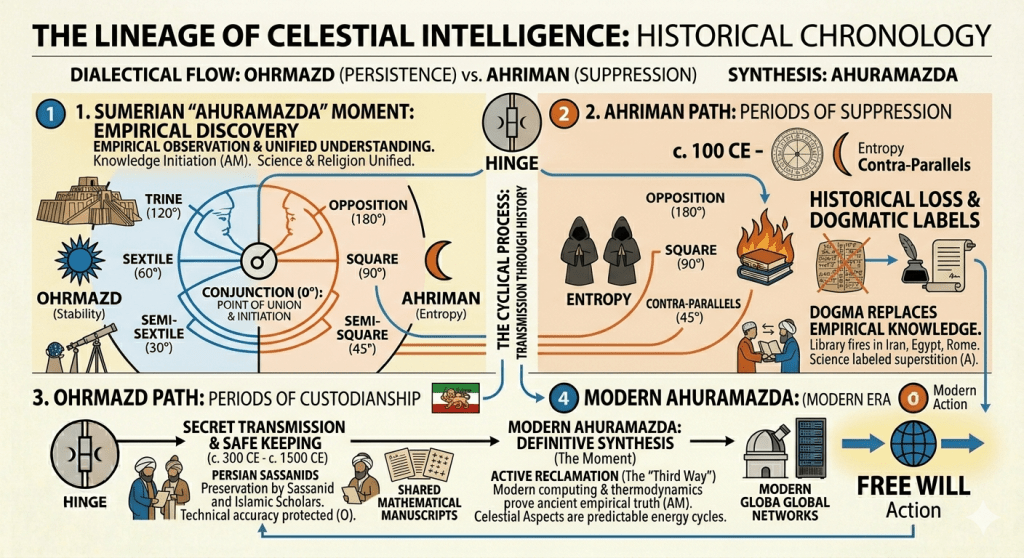
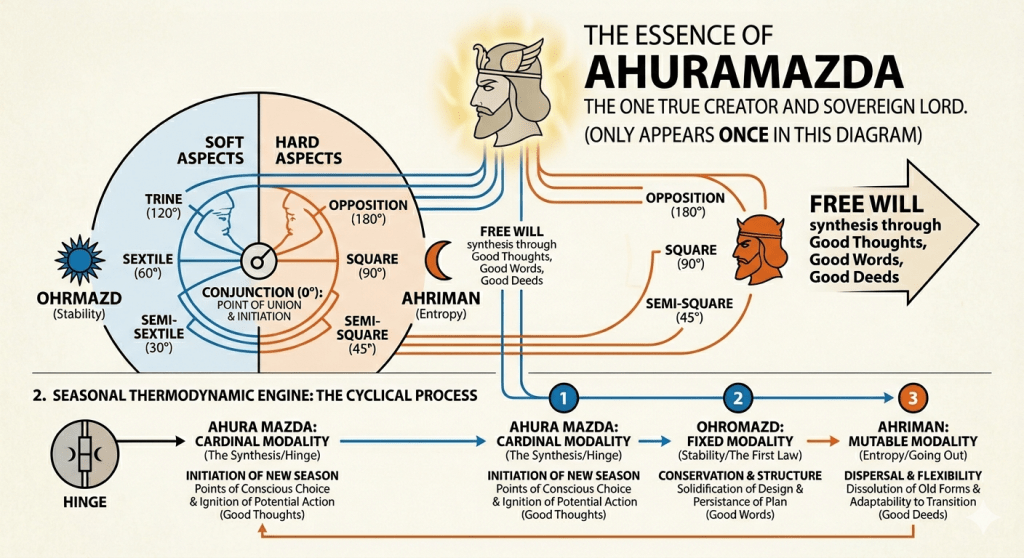
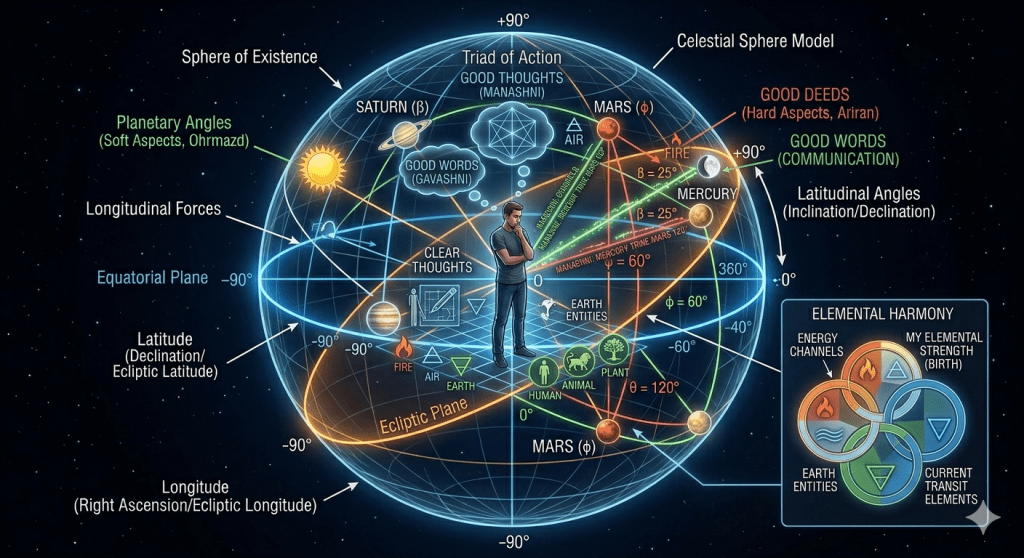
بنیاد آسمانی: احیای علم اهورامزدا امشاسپندان
مقدمه: احیای علم باستان
در این بخش، خاستگاه ریاضیات آسمانی را معرفی میکنیم و این علم را به حکمت بنیادین ایران باستان پیوند میدهیم. بررسی خواهیم کرد که چگونه هفت موجودیت — خورشید، ماه و پنج سیاره مرئی — امشاسپندان را تشکیل میدهند و چگونه این دانش که مدتها سرکوب شده بود، اکنون از طریق پژوهشهای تجربی مدرن در citystats.co.uk در حال احیا است.
بسیار پیشتر از اختراع تلسکوپ، نیاکان ما با چشم غیرمسلح هفت موجودیت — خورشید، ماه و پنج سیاره مرئی — را مشاهده و اندازهگیری میکردند. اینها هفت انرژی بودند که به نام امشاسپندان شناخته میشدند. این سیستم، که غرب آن را دانش مغان (برگرفته از واژه مگس به معنای مغز یا هوش) مینامد، توسط تفتیش عقاید ابراهیمی که کتابخانههای ایران، مصر و رم را به آتش کشید تا دانش تجربی را با جزمگرایی جایگزین کند، به دقت ریشهکن شد. با این حال، علم نابودنشدنی است؛ همانطور که ما درک خود را از جهان بازسازی میکنیم، پیوسته بازمییابیم که این اصول هزاران سال پیش به کمال رسیده بودند. امروزه در citystats.co.uk، ما این هفت موجودیت اصلی را گسترش دادهایم تا تعداد بسیار بیشتری از موجودیتهای ستارهای را در بر گیرد. علاوه بر این، پژوهشهای ما فراتر از نگاشت دوبعدی ساده است؛ ما هم زوایای طولی و هم عرضی، از جمله انحراف و عدم انحراف را اندازهگیری میکنیم تا موازاتها و تقابلهای معکوس را ردیابی کنیم. با انجام این کار، ما یک مدل کاملاً سهبعدی توسعه دادهایم، در حالی که مفهوم اصلی مبنی بر اینکه درک انرژی بین قطبیتهای موجودیتها کلید اساسی است را حفظ کردهایم. در این بخش ثابت کردیم که مطالعه موجودیتهای آسمانی یک عمل ابتدایی نیست، بلکه سنتی بسیار پیچیده و تجربی است. با گسترش چارچوب اصلی امشاسپندان به یک مدل سهبعدی، فاصله بین علم ایران باستان و دقت تشخیصی مدرن را پر کردهایم.
مکانیک اهورامزدا امشاسپندان
در این بخش، چارچوب اصلی سنجش آسمانی موسوم به اهورامزدا امشاسپندان را تعریف میکنیم. مدل دیالکتیکی اورمزد، اهریمن و اهورامزدا را تجزیه خواهیم کرد و جنبههای بنیادی مورد استفاده مغان را از متریکهای پیشرفته سهبعدی که در پژوهشهای فعلی ما استفاده میشود، متمایز خواهیم کرد.
موتور ترمودینامیکی فصلی
اهورامزدا (نشانههای کاردینال) به عنوان “لولای” فصل عمل میکند و نشاندهنده لحظه اهورامزدایی سنتز است که در آن انرژی فصل قبل تغییر شکل یافته و چرخه جدیدی آغاز میشود.
این نقطه محوری فعال و آغازگر است که در آن “موتور انسانی” باید از اراده آزاد برای همسو کردن افکار، گفتار و کردار استفاده کند.
اورمزد (نشانههای ثابت) نشاندهنده اورمزد، حالت پایدار حفظ انرژی و ساختار است که با قانون اول ترمودینامیک مطابقت دارد.
این مرحله “گفتار نیک” (گواشن) است که در آن طرح تثبیت میشود.
اهریمن (نشانههای متغیر) نشاندهنده اهریمن، حالت انتروپی و انعطافپذیری لازم برای پراکندگی است.
این مرحله به طرح اجازه میدهد تا سازگار شود، “به بیرون برود” و تکامل یابد و سیستم را برای آغاز بعدی آماده کند.دیالکتیک خانهها
۱۲ خانه در شش قطبیت دستهبندی شدهاند که نشاندهنده یک میدان نبرد دیالکتیکی بین تحقق شخصی (اورمزد) و ادغام اجتماعی/جهانی (اهریمن) است. متخصص باید
اینها را با استفاده از سهگانه اخلاقی سنتز کند:
خانه ۱ (قوچ/خود) در برابر خانه ۷ (ترازو/مشارکت): تنش بین هویت و دیگری.
خانه ۲ (ثور/منابع شخصی) در برابر خانه ۸ (عقرب/منابع مشترک): تنش بین “من دارم” و “ما داریم”.
خانه ۳ (جوزا/منطق) در برابر خانه ۹ (کمان/خرد عالی): تنش بین دادههای فوری و فلسفه/کاوش.
خانه ۴ (سرطان/ریشههای خصوصی) در برابر خانه ۱۰ (جدی/تجلی عمومی): تنش بین خانه و جامعه.
خانه ۵ (اسد/بیان فردی) در برابر خانه ۱۱ (دلو/بیان تیمی): تنش بین خلاقیت فردی و مشارکت جمعی.
خانه ۶ (سنبله/خدمت به جامعه) در برابر خانه ۱۲ (حوت/فداکاری جهانی): تنش بین خدمت عملی و انحلال جهانی.
جنبهها و معیارهای آسمانی
برای دستیابی به اندازهگیری دقیق، ما بین پویاییهای طولی و عرضی تمایز قائل میشویم:
جنبههای نرم (زوایای اورمزد)
سهگانه (۱۲۰ درجه)
ششگانه (۶۰ درجه)
نیمششگانه (۳۰ درجه)جنبههای سخت (زوایای اهریمن)
تقابل (۱۸۰ درجه)
مربع (۹۰ درجه)
نیممربع (۴۵ درجه)نقطه اتحاد
مقارن (۰ درجه)جنبههای عرضی
انحراف
عدم انحراف (ردیابی موازاتها و تقابلهای معکوس)
اهورامزدا (سنتز) انرژی حاصل در هر لحظه است که از دیالکتیک بین اورمزد و اهریمن مشتق شده است.
این انرژیِ “لحظه” است — نقطه لولایی بین دو وضعیت سیارهای یا زاویه خاصی که بین دو جرم تشکیل شده است.نشان دادیم که اهورامزدا صرفاً یک اصطلاح نظری نیست، بلکه سنتز عملکردی قطبیتهای سیارهای است.
با درک تعامل اورمزد و اهریمن در صفحات طولی و عرضی، توانایی شناسایی دقیق انرژی هر لحظه را به دست میآوریم.موتور انسانی: هوش و اراده آزاد
در این بخش نقش ناظر انسانی را در این سیستم بررسی خواهیم کرد. بحث خواهیم کرد که چگونه هر انسان در مرکز یک کُره هستی قرار گرفته است و از هوش (مگس) خود برای مشاهده تنشهای آسمانی و اعمال اراده آزاد از طریق اندیشه نیک، گفتار نیک و کردار نیک بهره میبرد.
“موتور انسانی” همان هوش — مگس — است که این انرژیها را مشاهده میکند. هر انسان در مرکز یک کُره هستی وجود دارد و در میان یک سیستم انرژی پویا و سهبعدی قرار گرفته است که در آن نیروهای طولی و عرضی در سراسر جهان در اطراف ما تلاقی میکنند. برای دستیابی به موفقیت در طول این جنبههای اخترشناسی، انسان باید فرآیند اندیشه نیک، گفتار نیک و کردار نیک را به کار گیرد. هنگامی که رویدادی رخ میدهد، ناظر انرژیها — جنبههای نرم و سخت — را شناسایی میکند و در ذهن خود انتخابهای موجود را تعیین میکند. از طریق اندیشه نیک، قصد خود را شفاف میکند؛ از طریق گفتار نیک، این شفافیت را منتقل میکند؛ و از طریق کردار نیک، طرح را پیادهسازی میکند. این فرآیند ذاتاً با زوایای سیارهای مرتبط است: سیارات بر تفکر، ارتباطات و عمل حاکمند، در حالی که عدد هفت بر چهار عنصر جهان و سه موجودیت زمینی — انسانها، حیوانات و گیاهان — حاکم است. با نگاشت زندگی در برابر این ترانزیتها، میتوان تشخیص داد که کدام عنصر غالب است، که امکان تصمیمگیریهای آگاهانه مطابق با دیالکتیک کیهانی را فراهم میکند. از طریق این بحث، تأکید کردیم که بشریت نقطه عطف فعال سیستم آسمانی است. کُره هستی یک قفس نیست، بلکه عرصهای از هوش است که در آن از اراده آزاد خود و سهگانه اخلاقی برای تعریف اهورامدای واقعیت فعلیمان استفاده میکنیم.فرآیند: مشاهده، استنتاج، اقدام
این بخش به عنوان یک راهنمای عملی برای روششناسی عمل میکند. فرآیند سه مرحلهای — مشاهده، استنتاج و اقدام — را که به متخصصان اجازه میدهد دیالکتیک ستارگان را هدایت کرده و چرخههای جدید اندیشه، گفتار و کردار را آغاز کنند، تشریح خواهیم کرد.
این فرآیند هسته اصلی علم ایران باستان است. مشاهده شامل اندازهگیری آرایه گستردهای از موجودیتهای ستارهای و قطبیتهای سهبعدی، طولی و عرضی آنها، شامل انحراف و عدم انحراف است. استنتاج مستلزم شناسایی انرژی غالب — اورمزد یا اهریمن — در وضعیت فعلی طالعبینی یا بازار است. در نهایت، اقدام از فرآیند اهورامزدان امشاسپندان برای هدایت دیالکتیک استفاده میکند و در نتیجه چرخه بعدی اندیشه، گفتار و کردار را آغاز میکند. با پیروی از این فرآیند ساختارمند، از مشاهده منفعل به تعامل فعال حرکت میکنیم. فرآیند اهورامزدان امشاسپندان مسیری روشن برای استفاده از علم باستان جهت هدایت مؤثر پیچیدگیهای مدرن فراهم میکند.
نتیجهگیری
در این بخش پایانی، اهمیت احیای این سنت را خلاصه میکنیم. تأکید خواهیم کرد که بشریت قربانی ستارگان نیست، بلکه وارث سنتی دقیق و تجربی است و با زدودن اطلاعات نادرست تاریخی، این علم را به عنوان یک ابزار
تشخیصی حیاتی برای آینده بازمیگردانیم.
در پایان تأکید میکنیم که بشریت قربانی ستارگان نیست، بلکه وارث سنتی دقیق و تجربی است. با زدودن اطلاعات نادرست تاریخی — همانطور که در nonviolentiran.com مستند شده است — ما اهورامزدا امشاسپندان را به جایگاه شایستهاش به عنوان بنیاد عینی دانش بشری بازمیگردانیم و اطمینان حاصل میکنیم که علم باستان به عنوان ابزار تشخیصی آینده باقی میماند.
مجدداً تأکید کردیم که احیای این دانش ضروری است. با برخورد با این علم به عنوان یک ابزار تجربی و تشخیصی، اطمینان حاصل میکنیم که حکمت باستان همچنان به عنوان یک راه لمای قابل اعتماد برای آینده بشریت عمل میکند.
I asked Gemini and NotebookLM
- Moon in Scorpio or Aban آبان ♏ – Ahuramazdan Spirit
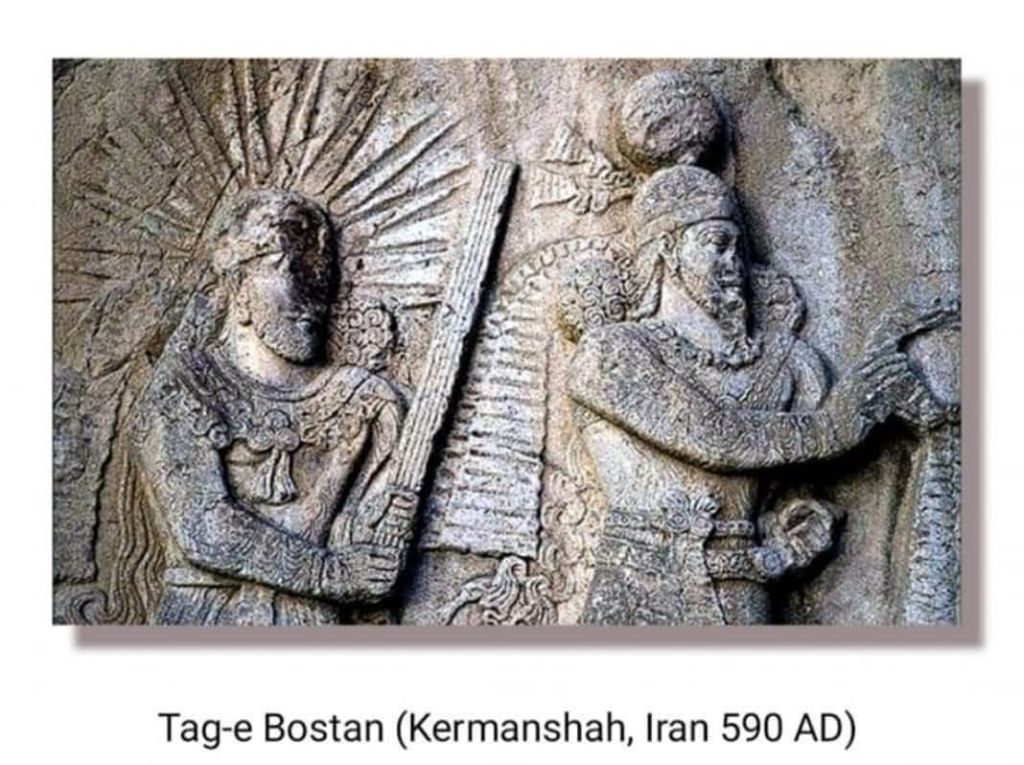
A mysterious Star Wars like Higher Being, is carved out in Tag-e Bostan from 590 AD, holding a phaser. It is giving its blessing or protecting the Emperor of Iran/Persia. 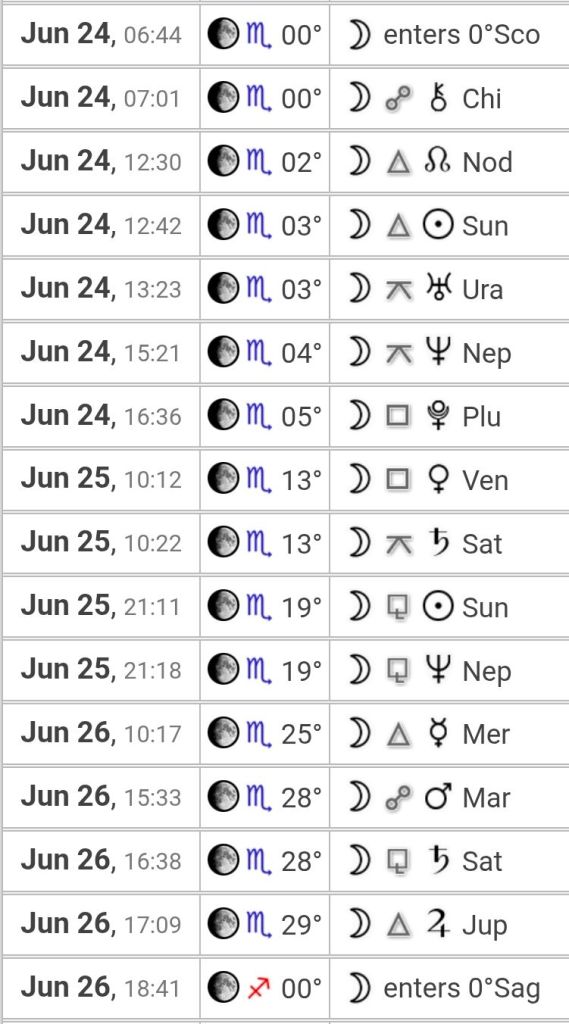
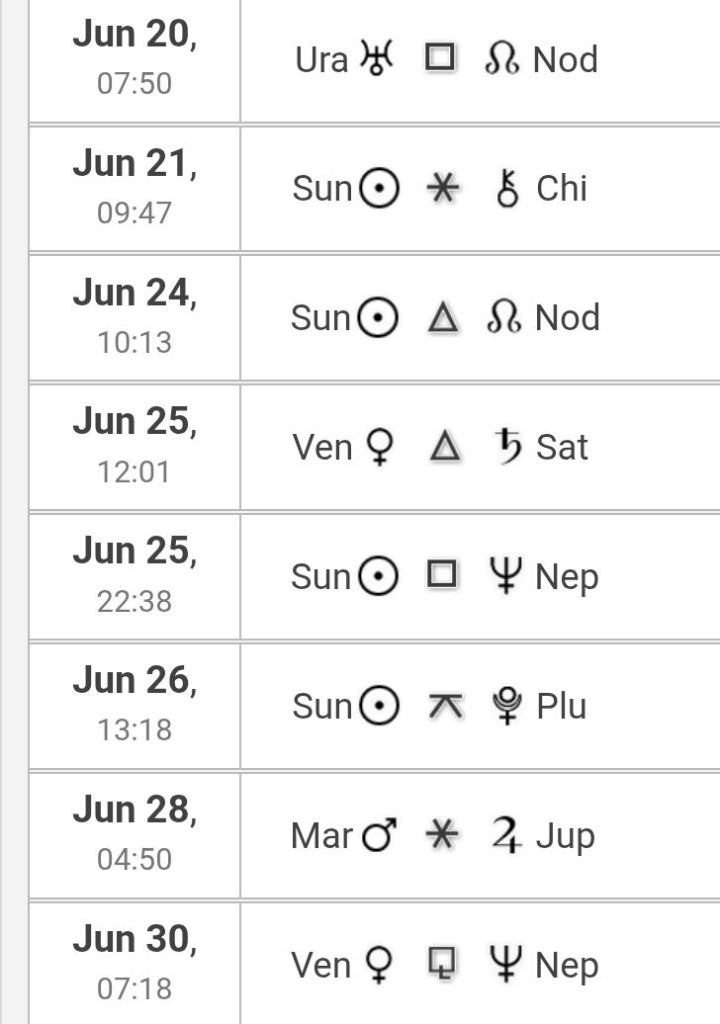
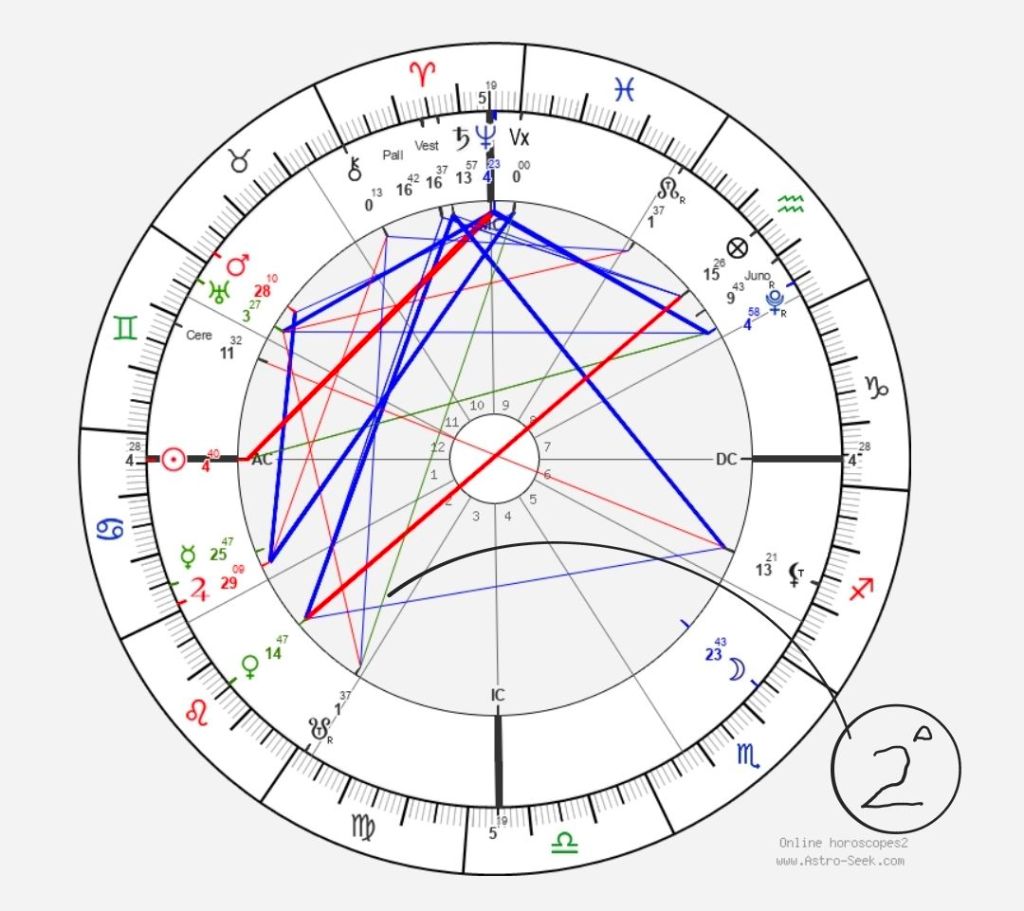
Moon in Scorpio or Aban آبان ♏ – Ahuramazdan Spirit
A mysterious Star Wars like Higher Being, is carved out in Tag-e Bostan from 590 AD, holding a phaser. It is giving its blessing or protecting the Emperor of Iran/Persia.
Facebook
facebook.com/IranAstrology
Ahuramazdan
ahuramazdanastrology.wordpress.com
Ali Mostofi @YouTube
youtube.com/@alimostofi
#ahuramazda
#iran
#astrology
#alimostofi
#اهورامزدا
#ایران
#نجوم
#علی_مستوفی - Present-Day Geopolitical Realities (1826–2126) مطالعه علمی چرخههای جهانی: مدل پیشبینی تاریخی اعمالشده بر واقعیات ژئوپلیتیک کنونی (۱۸۲۶–۲۱۲۶)
A Scientific Study of Mundane Cycles: A Predictive Historical Model Applied to Present-Day Geopolitical Realities (1826–2126)
Synopsis: The Celestial Foundation: Reclaiming the Science of Ahuramazda Ameshaspenta of Iran presents a modern, empirical framework for celestial mechanics, bridging ancient Iranian wisdom with contemporary diagnostic precision. By expanding the traditional Seven Entities (Ameshaspenta) into a sophisticated three-dimensional model—measuring longitudinal and latitudinal angles, including inclination and disinclination—this article explores how celestial movements reflect the dialectical interplay of Ohrmazd (structure) and Ahriman (entropy). Central to this system is the “Human Engine,” where the application of Free Will and ethical synthesis (Good Thoughts, Good Words, and Good Deeds) allows for the precise navigation of cosmic energies. This study restores celestial mathematics as a vital, objective diagnostic tool for understanding human and market cycles.
English Video
ویدیو فارسی
English Podcast
پادکست فارسی
The Deep Ancestral Cycle: From the African Cradle to the Iranian Plateau
Explanation of Paragraph: This section recontextualizes human history by contrasting early survival models with the cognitive shift that occurred when ancestral populations reached the high-altitude environments of the Iranian Plateau.
Content: To understand our current geopolitical climate, we must look back to our deepest ancestral origins. The journey of early humans out of Africa was a transition from an environment dominated by immediate survival constraints—often termed a jungle-bound existence—to regions that facilitated scientific observation. As these populations moved toward the Middle East, they encountered the high peaks and clearer, more resonant skies of the Iranian Plateau. In this elevated geography, the conditions for rigorous observation were met, allowing for the birth of a new cognitive paradigm. This move marked the shift from non-scientific survival to the active measurement of reality, setting the stage for human engagement with structured, long-term cycles.
Conclusion: This paragraph established that human history is rooted in a fundamental movement toward environments that encourage the observation of cosmic patterns and the shift toward structured, scientific planning.
The Dual Nature of Mundane Cycles: Hard and Soft Aspects
Explanation of Paragraph: This section outlines the dual-cycle methodology, explaining that historical events are shaped by both the tension of “hard” aspects and the stabilization of “soft” aspects, while acknowledging the skeptic’s perspective.
Content: To understand the rhythmic nature of history, one must look at both the “hard” and “soft” angles formed by the outer planets. Hard aspects—the 90° square and 180° opposition—act as the pressure-cookers of history, creating structural strain that necessitates major changes or “detonations.” Conversely, soft aspects—the conjunction, 60° sextile, and 120° trine—represent periods of integration and harmonic flow. While hard aspects force the collapse of outdated systems, soft aspects provide the stability required to build and consolidate new ones. Critics often raise valid points regarding correlation versus causation, and we acknowledge that planetary aspects do not “force” human action; rather, they describe the underlying “geopolitical climate.” By tracking both, we move beyond viewing history as a series of random crises and instead see it as a structured process of tension and release.
Conclusion: This paragraph established the core theory, framing mundane cycles as an observational tool for understanding geopolitical climates while inviting intellectual rigor regarding the nature of these patterns.
Historical Correlation and Predictability
Explanation of Paragraph: This section applies the dual-cycle methodology to historical events, incorporating specific dates where hard aspects acted as triggers for major upheavals.
Content: History reveals a clear oscillation between these two states. The “hard” cycles correlate precisely with moments of high-stakes upheaval. The 1848–1849 period, driven by the Saturn–Uranus square, served as the background for the “Springtime of Nations” revolutions across Europe. In the 1929–1933 era, the Saturn–Pluto square and Jupiter–Uranus opposition created the systemic fragility that culminated in the Great Depression and the rise of authoritarian regimes. Furthermore, the 2008–2010 Saturn–Uranus opposition coincided with the global financial crisis, destabilizing the established post-Cold War order. Skeptics may dismiss these alignments as coincidence; however, the precision with which these planetary shifts align with major structural shifts suggests a measurable mechanism at play. Much like a meteorologist observes high-pressure systems to forecast a storm, we observe these celestial cycles to understand the structural pressures acting upon our global institutions.
Conclusion: This paragraph demonstrated that human history is a predictable dance between the structural strain of hard aspects and the productive integration of soft aspects.
Eras of Harmonic Integration
Explanation of Paragraph: This section details specific dates where soft aspects facilitated the integration of new paradigms and periods of economic stability.
Content: Conversely, soft aspects—conjunctions, sextiles, and trines—provide the harmonic flow necessary for consolidating gains made during high-tension periods. During the 1867–1870 period, the Uranus–Pluto conjunction era coincided with significant industrial consolidation and the stabilization of national identities following civil upheavals. Following the trauma of World War II, the 1945–1950 period featured the Neptune–Pluto sextile and subsequent outer planet harmonies that supported structural rebuilding and the “Golden Age” of economic expansion. Additionally, the 2000–2005 Saturn–Uranus conjunction marked a period of transitional growth, allowing for the integration of digital infrastructure into the global economy before the subsequent financial strain of 2008. By contrasting these dates with hard-aspect crises, we see that soft aspects provide the essential “integration phase” for societal maturation.
Conclusion: This paragraph confirmed that periods of consolidation are the necessary harmonic response to structural crises.
Predictive Methodology: Future
Projections for the Next 200 Years
Explanation of Paragraph: This section uses the dual-lens framework to forecast future eras of systemic transformation and stability, demonstrating how the patterns of the past serve as a predictive model for the next two centuries.
Content: By projecting this proven methodology into the future, we can map where the next two centuries will experience “strain” and where they will find “consolidation.” Initiated by the 2026–2030 Saturn–Neptune conjunction, the coming years act as an “anchor” for a cycle of climate realignment. The 2040–2045 Saturn–Pluto square will create a “pressure-cooker” phase, testing global governance and resource distribution. This is followed by a 2065–2072 scaling crisis, marked by a Uranus–Pluto square, which will challenge AI integrity and the security of established power structures. Conversely, the 2080–2095 Saturn–Uranus conjunction will facilitate a long-cycle harmonic growth phase, stabilizing new infrastructure. The 2090s–2120 period will focus on systemic consolidation, the maturation of bio-power structures, and the necessary rescaling of global populations. Early 22nd-century institutional pivots will be marked by the 2105–2120 Jupiter–Uranus and Saturn–Uranus oppositions. History has shown us the pattern, and the future will continue to unfold within these same parameters. Our research is based on 200 years of observable, repetitive patterns, allowing us to predict the “climate” of coming centuries with structural precision.
Conclusion: This paragraph confirmed that the next 200 years will mirror the cyclical pattern of the past, with the planetary “climate” dictating both the coming challenges and the subsequent eras of progress, proving the efficacy of this model as a predictive tool.
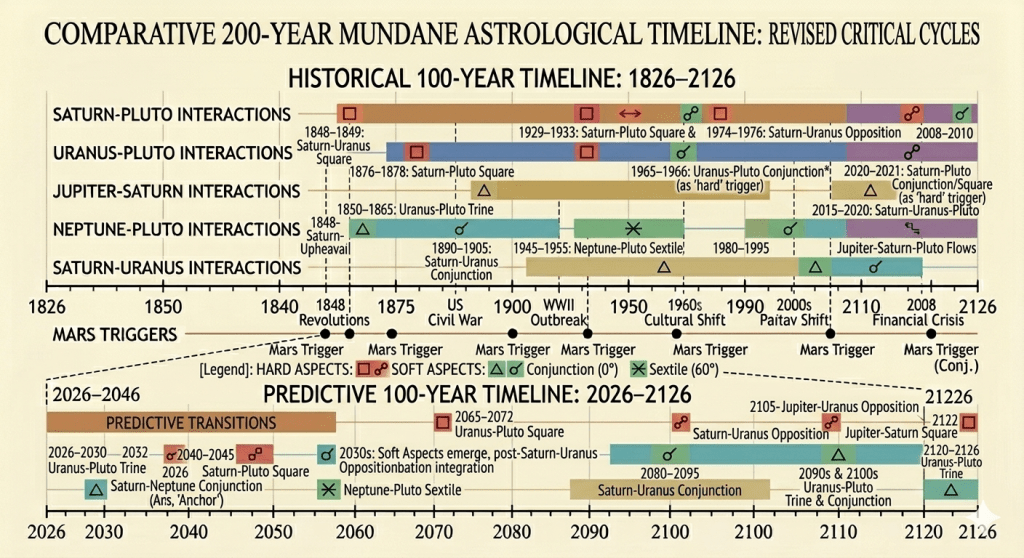
مطالعه علمی چرخههای جهانی: مدل پیشبینی تاریخی اعمالشده بر واقعیات ژئوپلیتیک کنونی (۱۸۲۶–۲۱۲۶)
بنیاد آسمانی: بازیابی دانش اهورامزدا امشاسپند
این مقاله چارچوبی تجربی و مدرن برای مکانیک سماوی ارائه میدهد که خرد باستانی ایران را با دقتهای تشخیصی معاصر پیوند میزند. با بسط هفت موجودیت سنتی (امشاسپندان) به یک مدل سهبعدی پیشرفته—که شامل اندازهگیری زوایای طولی و عرضی، از جمله میل و تغییر میل است—این پژوهش بررسی میکند که چگونه حرکات سماوی، تقابل دیالکتیکی «اهورامزدا» (ساختار) و «اهریمن» (آنتروپی) را منعکس میکنند. در قلب این سیستم، «موتور انسانی» قرار دارد؛ جایی که استفاده از اراده آزاد و سنتز اخلاقی (اندیشه نیک، گفتار نیک و کردار نیک)، امکان هدایت دقیق انرژیهای کیهانی را فراهم میآورد. این مطالعه، ریاضیات سماوی را به عنوان یک ابزار تشخیصی عینی و حیاتی برای درک چرخههای انسانی و بازار بازسازی میکند.
چرخه عمیق اجدادی: از گهواره آفریقا تا فلات
ایرانتوضیح پاراگراف: این بخش تاریخ بشر را با تضاد مدلهای بقای اولیه با تغییر شناختی که هنگام رسیدن جمعیتهای اجدادی به محیطهای مرتفع فلات ایران رخ داد، بازنگری میکند.
محتوا: برای درک اقلیم ژئوپلیتیک کنونی خود، باید به عمیقترین ریشههای اجدادی خود نگاه کنیم. سفر انسانهای اولیه از آفریقا، گذاری از محیطی تحت سلطه محدودیتهای بقای فوری—که اغلب به عنوان زندگی جنگلنشینی نامیده میشود—به مناطقی بود که رصد علمی را تسهیل میکرد. همانطور که این جمعیتها به سمت خاورمیانه حرکت کردند، با قلههای مرتفع و آسمانهای شفافتر و طنیناندازتر فلات ایران مواجه شدند. در این جغرافیای مرتفع، شرایط برای رصد دقیق فراهم شد و امکان تولد یک پارادایم شناختی جدید را فراهم کرد. این حرکت نشاندهنده گذار از بقای غیرعلمی به اندازهگیری فعال واقعیت بود و زمینه را برای تعامل انسان با چرخههای ساختاریافته و بلندمدت فراهم کرد.
نتیجهگیری: این پاراگراف اثبات کرد که تاریخ بشر ریشه در حرکتی بنیادی به سمت محیطهایی دارد که رصد الگوهای کیهانی و حرکت به سمت برنامهریزی ساختاریافته و علمی را تشویق میکنند.
دوگانگی چرخههای جهانی: زوایای سخت و نرم
توضیح پاراگراف: این بخش روششناسی چرخه دوگانه را ترسیم میکند و ضمن تایید دیدگاه شکگرایان، توضیح میدهد که چگونه رویدادهای تاریخی توسط هر دو تنش زوایای “سخت” و تثبیت زوایای “نرم” شکل میگیرند.
محتوا: برای درک ماهیت ریتمیک تاریخ، باید به هر دو زاویه “سخت” و “نرم” که توسط سیارات بیرونی شکل میگیرند، توجه کرد. زوایای سخت—مربع ۹۰ درجه و مقابله ۱۸۰ درجه—به عنوان زودپزهای تاریخ عمل میکنند و فشار ساختاری ایجاد میکنند که مستلزم تغییرات عمده یا “انفجار” است. در مقابل، زوایای نرم—مقارنه، شصت درجه و تثلیث—نشاندهنده مراحل ادغام و جریان هارمونیک هستند. در حالی که زوایای سخت باعث فروپاشی سیستمهای منسوخ میشوند، زوایای نرم ثبات لازم برای ساخت و تثبیت سیستمهای جدید را فراهم میکنند. منتقدان اغلب نکات معتبری در مورد همبستگی در برابر علیت مطرح میکنند و ما اذعان داریم که زوایای سیارهای اعمال انسانی را “اجبار” نمیکنند؛ بلکه آنها “آبوهوای ژئوپلیتیک” زیربنایی را توصیف میکنند. با ردیابی هر دو، ما از نگاه کردن به تاریخ به عنوان مجموعهای از بحرانهای تصادفی عبور میکنیم و به جای آن، آن را به عنوان یک فرآیند ساختاریافته از تنش و رهایی میبینیم.
نتیجهگیری: این پاراگراف نظریه اصلی را بنا نهاد و چرخههای جهانی را به عنوان ابزاری رصدی برای درک اقلیمهای ژئوپلیتیک معرفی کرد، در حالی که از نگاه دقیق علمی به ماهیت این الگوها استقبال میکند.
همبستگی تاریخی و پیشبینیپذیری
توضیح پاراگراف: این بخش روششناسی چرخه دوگانه را برای رویدادهای تاریخی به کار میگیرد و نشان میدهد که چگونه نقاط عطف مهم جهانی با تاریخهای مشخص و تنشهای متناوب سیارهای همسو هستند.
محتوا: تاریخ نوسان واضحی بین این دو حالت را نشان میدهد. چرخههای “سخت” دقیقاً با لحظات تلاطمهای بزرگ همبستگی دارند. در سالهای ۱۸۴۸–۱۸۴۹، مربع زحل و اورانوس پسزمینه ساختاری “بهار ملتها” یا موج انقلابهای سراسر اروپا بود. در سالهای ۱۹۲۹–۱۹۳۳، مربع زحل و پلوتون و مقابله مشتری و اورانوس، شکنندگی سیستمی ایجاد کرد که منجر به رکود بزرگ و ظهور رژیمهای اقتدارگرا شد. در سالهای ۲۰۰۸–۲۰۱۰، مقابله زحل و اورانوس با بحران مالی جهانی همزمان شد و نظم اقتصادی پس از جنگ سرد را بیثبات کرد. شکگرایان ممکن است این همسوییها را تصادفی بدانند؛ با این حال، دقتی که با آن این تغییرات سیارهای با تغییرات ساختاری عمده در تمدن بشری همسو میشوند، نشاندهنده یک مکانیسم بنیادی و قابل اندازهگیری است. همانطور که یک هواشناس سیستمهای پرفشار را برای پیشبینی طوفان رصد میکند، ما نیز این چرخههای آسمانی را برای درک فشارهای ساختاری بر نهادهای جهانی خود رصد میکنیم.
نتیجهگیری: این پاراگراف نشان داد که تاریخ بشر رقص پیشبینیپذیری بین تنش ساختاری زوایای سخت و ادغام سازنده زوایای نرم است.
دورانهای ادغام هارمونیک
توضیح پاراگراف: این بخش تاریخهای دقیق همبستگی زوایای “نرم” با دورههای تثبیت و رشد اقتصادی را بررسی میکند.
محتوا: زوایای نرم—مقارنه، شصت درجه و تثلیث—جریان هارمونیک لازم برای تثبیت دستاوردهای دورههای تنش را فراهم میکنند. در سالهای ۱۸۶۷–۱۸۷۰، دوران مقارنه اورانوس و پلوتون با تثبیت صنعتی و تحکیم هویتهای ملی جدید پس از آشوبهای داخلی همزمان بود. در سالهای ۱۹۴۵–۱۹۵۰، پس از آسیبهای جنگ جهانی دوم، تثلیث نپتون و پلوتون و هارمونیهای بعدی سیارات بیرونی از بازسازی ساختاری و “عصر طلایی” رشد اقتصادی حمایت کرد. علاوه بر این، در سالهای ۲۰۰۰–۲۰۰۵، مقارنه زحل و اورانوس نشاندهنده دورهای از رشد انتقالی بود که امکان ادغام زیرساختهای دیجیتال در اقتصاد جهانی را پیش از تنش مالی سال ۲۰۰۸ فراهم کرد. با مقایسه این تاریخها با بحرانهای زوایای سخت، مشاهده میکنیم که زوایای نرم “مرحله ادغام” ضروری برای بلوغ اجتماعی را فراهم میکنند.
نتیجهگیری: این پاراگراف تأیید کرد که دورههای تثبیت، پاسخ هارمونیک ضروری به بحرانهای ساختاری هستند.
مدل پیشبینی: پیشبینیهای آینده برای ۲۰۰ سال آینده
توضیح پاراگراف: این بخش از چارچوب دوگانه برای پیشبینی دورانهای آینده تحول سیستمی استفاده میکند و نشان میدهد که چگونه الگوهای گذشته، ابزاری دقیق برای پیشبینی ۲۰۰ سال آینده ارائه میدهند.
محتوا: با پیشبینی این روششناسی برای آینده، میتوانیم نقشهبرداری کنیم که دو قرن آینده احتمالاً در کجا “تنش” را تجربه خواهد کرد و در کجا “تثبیت” خواهد یافت. دهههای آینده شاهد مجموعهای از زوایای سخت—مانند مربع زحل و پلوتون—خواهد بود که نشاندهنده دورههایی است که در آن حکمرانی بر اقلیم جهانی و مدیریت منابع به لبه پرتگاه رانده خواهد شد. با این حال، اینها با دورههای تثبیت زوایای نرم همراه خواهد بود، جایی که نوآوریهای تکنولوژیک و اجتماعی که در طول آن بحرانها جعل شدهاند، در یک زیرساخت جهانی جدید و باثباتتر پیادهسازی خواهند شد. تاریخ الگوی آن را به ما نشان داده است و آینده نیز در درون همین پارامترها ادامه خواهد یافت. پژوهش ما بر اساس ۲۰۰ سال الگوهای قابل مشاهده و تکرارپذیر است و ما را قادر میسازد تا “آبوهوای” قرنهای آینده را با دقت ساختاری پیشبینی کنیم.
نتیجهگیری: این پاراگراف تأیید کرد که ۲۰۰ سال آینده احتمالاً بازتابی از الگوی چرخهای گذشته خواهد بود، که در آن “آبوهوای” سیارهای هم چالشهای پیشرو و هم دورانهای پیشرفت متعاقب آن را دیکته میکند و کارایی این مدل را به عنوان یک ابزار پیشبینی اثبات میکند.